
Lions are powerful wild cats famous for their loud roars, golden coats, and social family groups called prides.
Most lions live in Africa, where they roam grasslands, savannas, and open woodlands. A much smaller population of Asiatic lions lives in India.
Unlike most wild cats, lions often live together. They hunt, rest, raise cubs, and defend their territory as part of a group.
What Is a Lion?
The lion is a large wild cat. Its scientific name is Panthera leo. Lions belong to the cat family, called Felidae, and the genus Panthera.
They are one of the largest living wild cats. Male lions are usually larger than females.
Lions are carnivores, which means they eat other animals.
What Do Lions Look Like?
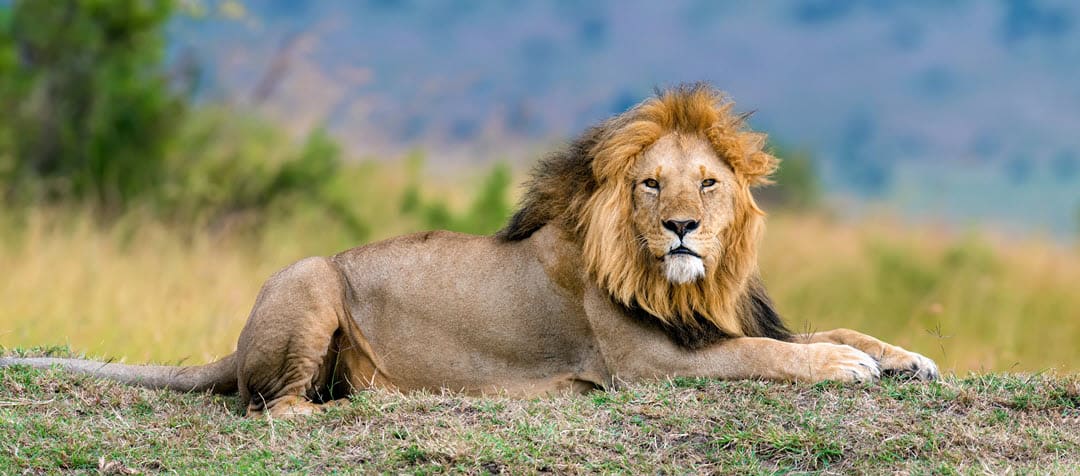
Lions have strong, muscular bodies, powerful legs, large paws, and long tails with dark tufts at the ends.
Their coats are usually golden, tan, or light brown. This coloring provides camouflage in dry grasslands and savannas.
Adult male lions are famous for their manes. A mane is the long hair that grows around a male lion’s head, neck, and shoulders. Manes can vary in size and color. Some are light brown, while others become very dark.
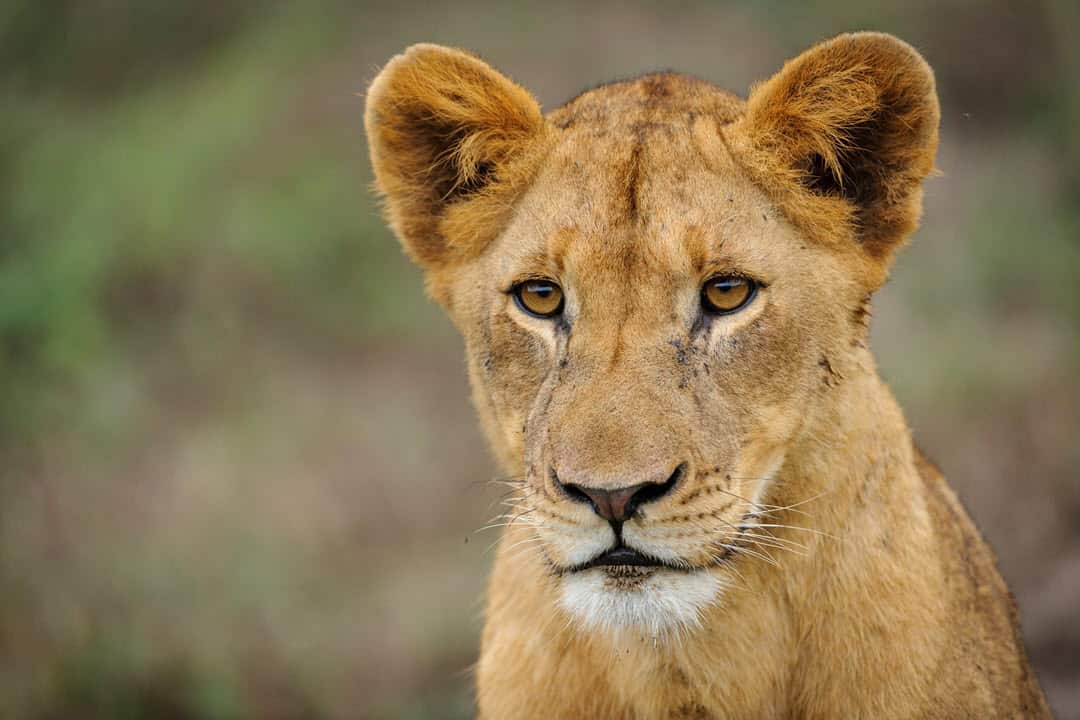
Female lions usually do not have manes.
Lion cubs are born with faint spots on their coats. These markings usually fade as the cubs grow older.
What Is the History of Lions?
Lions have lived across parts of Africa, Europe, and Asia during their long history. Thousands of years ago, lions had a much larger range than they do today.
Over time, lions disappeared from most of Europe, the Middle East, and large parts of Asia. Today, nearly all wild lions live in Africa. A small population of Asiatic lions survives in and around the Gir region of western India.
Scientists study fossils, DNA, historical records, and living lions to learn how lion populations have changed over time.
Where Do Lions Live?
Most lions live in sub-Saharan Africa. They can be found in savannas, grasslands, open woodlands, scrublands, and some dry forest environments.
These habitats provide lions with space to travel, places to rest, water, and populations of large prey.
A small population of Asiatic lions lives in India.
Lions need large areas of connected habitat because prides and individual lions may travel long distances in search of prey and territory.
Lion Behavior
Lions are unusual among wild cats because they are highly social. A group of lions is called a pride. A pride often includes several related females, their cubs, and one or more adult males.
Female lions may cooperate to hunt and help protect the pride’s cubs.
Male lions may form groups called coalitions. Coalition partners often work together to gain and defend access to a pride and its territory.
Lions communicate with scent marks, body movements, and sounds. The lion’s roar is one of the loudest calls made by any wild cat and can travel for miles.
What Do Lions Eat?
Lions hunt many kinds of animals. Their prey can include zebras, wildebeest, antelopes, buffalo, warthogs, and other mammals.
What lions eat depends on where they live and which prey animals are available. Lions may also take advantage of food killed by other predators.
How Do Lions Hunt?
Lions are ambush predators. They usually approach prey quietly before attacking from a short distance. Their golden coats help them blend into dry grasses and vegetation.
Female lions sometimes hunt together. Cooperation can help them surround or approach large prey.
Lions use their powerful legs, sharp claws, and strong jaws to catch and hold animals.
Reproduction and Life Cycle
Baby lions are called cubs. A female lion is pregnant for about three and a half months. She usually gives birth to several cubs in a sheltered place away from the rest of the pride.
Newborn cubs depend completely on their mother for food and protection.
As the cubs grow, they join the pride and spend a great deal of time playing. Play helps young lions practice stalking, chasing, wrestling, and other skills they will use as adults.
Young females may remain with their pride as adults, while young males usually leave and may join other males to form coalitions.
Lion Traits
- Lions are social wild cats. They are the only wild cats that regularly live in large family groups called prides.
- Male lions often have manes. The long hair around the head and neck makes adult males easy to recognize.
- Lions have powerful roars. Their calls allow lions to communicate across long distances.
- Females may hunt cooperatively. Several lionesses can work together when hunting large prey.
- Lions are powerful predators. Their muscular bodies, claws, and jaws allow them to hunt large animals.
- Lion cubs are spotted. Young cubs have markings that usually fade as they grow.
Why Are Lions Important?
Lions are large predators and play an important role in the ecosystems where they live. They hunt grazing and browsing animals and are part of the natural relationships between predators and prey.
Large predators can influence where prey animals move and how they use their habitat.
Protecting enough habitat for lions can also help protect many other animals and plants that share African grasslands, savannas, and woodlands.
Why Should Lions Be Protected?
Lions have disappeared from much of the area where they once lived. Habitat loss and fragmentation can reduce the space available for lions and their prey.
Conflict can occur when lions attack cattle, goats, or other livestock living near wild areas. Declining populations of wild prey can also make it harder for lions to find enough food.
In some places, lions are also killed illegally.
Protecting lions means protecting large connected habitats, maintaining healthy populations of wild prey, reducing illegal killing, and finding ways for people and lions to live safely in the same regions.
Words to Know
Ambush Predator — an animal that hides or approaches quietly before making a sudden attack on prey
Camouflage — colors, patterns, or shapes that help an animal blend into its surroundings
Carnivore — an animal that eats other animals
Coalition — a group of male lions that live and work together
Cub — a young lion
Ecosystem — a community of living things and the environment around them
Felidae — the scientific family that includes all cats
Habitat — the place where an animal lives and finds what it needs to survive
Mane — the long hair that grows around the head and neck of most adult male lions
Predator — an animal that hunts and eats other animals
Prey — an animal that is hunted and eaten by another animal
Pride — a social group of lions
Lions are powerful wild cats famous for their loud roars, golden coats, and social family groups called prides.
Most lions live in Africa, where they roam grasslands, savannas, and open woodlands. A much smaller population of Asiatic lions lives in India.
Unlike most wild cats, lions often live together. They hunt, rest, raise cubs, and defend their territory as part of a group.
What Is a Lion?
The lion is a large wild cat. Its scientific name is Panthera leo. Lions belong to the cat family, called Felidae, and the genus Panthera.
They are one of the largest living wild cats. Male lions are usually larger than females.
Lions are carnivores, which means they eat other animals.
What Do Lions Look Like?
Lions have strong, muscular bodies, powerful legs, large paws, and long tails with dark tufts at the ends.
Their coats are usually golden, tan, or light brown. This coloring provides camouflage in dry grasslands and savannas.
Adult male lions are famous for their manes. A mane is the long hair that grows around a male lion’s head, neck, and shoulders. Manes can vary in size and color. Some are light brown, while others become very dark.
Female lions usually do not have manes.
Lion cubs are born with faint spots on their coats. These markings usually fade as the cubs grow older.
What Is the History of Lions?
Lions have lived across parts of Africa, Europe, and Asia during their long history. Thousands of years ago, lions had a much larger range than they do today.
Over time, lions disappeared from most of Europe, the Middle East, and large parts of Asia. Today, nearly all wild lions live in Africa. A small population of Asiatic lions survives in and around the Gir region of western India.
Scientists study fossils, DNA, historical records, and living lions to learn how lion populations have changed over time.
Where Do Lions Live?
Most lions live in sub-Saharan Africa. They can be found in savannas, grasslands, open woodlands, scrublands, and some dry forest environments.
These habitats provide lions with space to travel, places to rest, water, and populations of large prey.
A small population of Asiatic lions lives in India.
Lions need large areas of connected habitat because prides and individual lions may travel long distances in search of prey and territory.
Lion Behavior
Lions are unusual among wild cats because they are highly social. A group of lions is called a pride. A pride often includes several related females, their cubs, and one or more adult males.
Female lions may cooperate to hunt and help protect the pride’s cubs.
Male lions may form groups called coalitions. Coalition partners often work together to gain and defend access to a pride and its territory.
Lions communicate with scent marks, body movements, and sounds. The lion’s roar is one of the loudest calls made by any wild cat and can travel for miles.
What Do Lions Eat?
Lions hunt many kinds of animals. Their prey can include zebras, wildebeest, antelopes, buffalo, warthogs, and other mammals.
What lions eat depends on where they live and which prey animals are available. Lions may also take advantage of food killed by other predators.
How Do Lions Hunt?
Lions are ambush predators. They usually approach prey quietly before attacking from a short distance. Their golden coats help them blend into dry grasses and vegetation.
Female lions sometimes hunt together. Cooperation can help them surround or approach large prey.
Lions use their powerful legs, sharp claws, and strong jaws to catch and hold animals.
Reproduction and Life Cycle
Baby lions are called cubs. A female lion is pregnant for about three and a half months. She usually gives birth to several cubs in a sheltered place away from the rest of the pride.
Newborn cubs depend completely on their mother for food and protection.
As the cubs grow, they join the pride and spend a great deal of time playing. Play helps young lions practice stalking, chasing, wrestling, and other skills they will use as adults.
Young females may remain with their pride as adults, while young males usually leave and may join other males to form coalitions.
Lion Traits
- Lions are social wild cats. They are the only wild cats that regularly live in large family groups called prides.
- Male lions often have manes. The long hair around the head and neck makes adult males easy to recognize.
- Lions have powerful roars. Their calls allow lions to communicate across long distances.
- Females may hunt cooperatively. Several lionesses can work together when hunting large prey.
- Lions are powerful predators. Their muscular bodies, claws, and jaws allow them to hunt large animals.
- Lion cubs are spotted. Young cubs have markings that usually fade as they grow.
Why Are Lions Important?
Lions are large predators and play an important role in the ecosystems where they live. They hunt grazing and browsing animals and are part of the natural relationships between predators and prey.
Large predators can influence where prey animals move and how they use their habitat.
Protecting enough habitat for lions can also help protect many other animals and plants that share African grasslands, savannas, and woodlands.
Why Should Lions Be Protected?
Lions have disappeared from much of the area where they once lived. Habitat loss and fragmentation can reduce the space available for lions and their prey.
Conflict can occur when lions attack cattle, goats, or other livestock living near wild areas. Declining populations of wild prey can also make it harder for lions to find enough food.
In some places, lions are also killed illegally.
Protecting lions means protecting large connected habitats, maintaining healthy populations of wild prey, reducing illegal killing, and finding ways for people and lions to live safely in the same regions.