
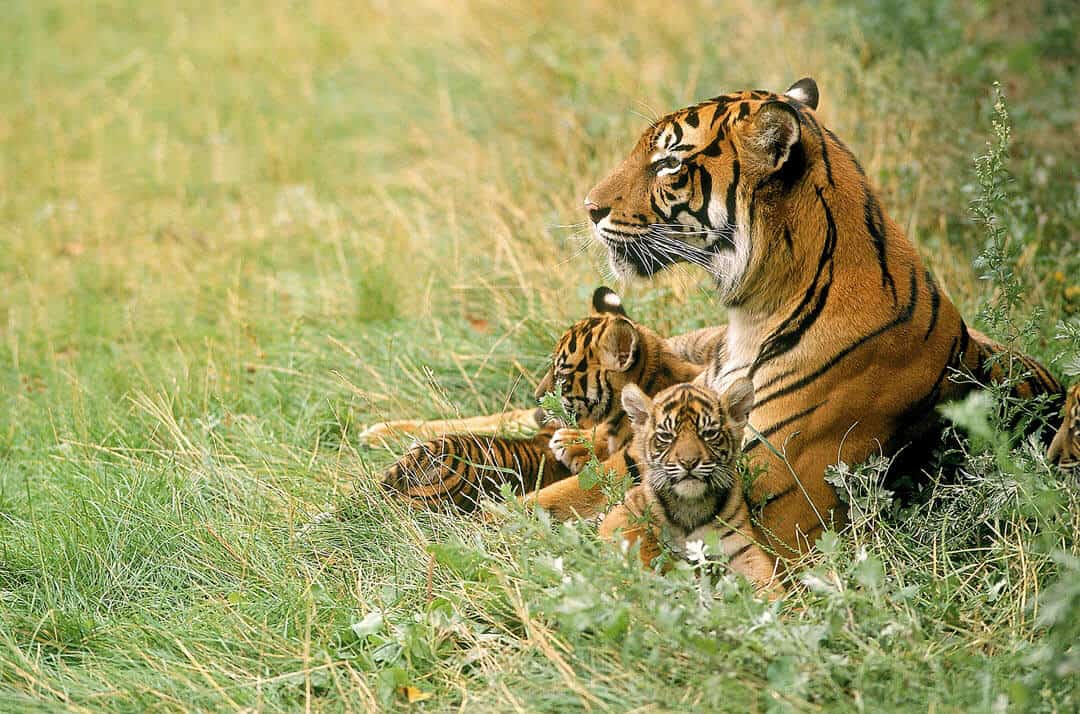
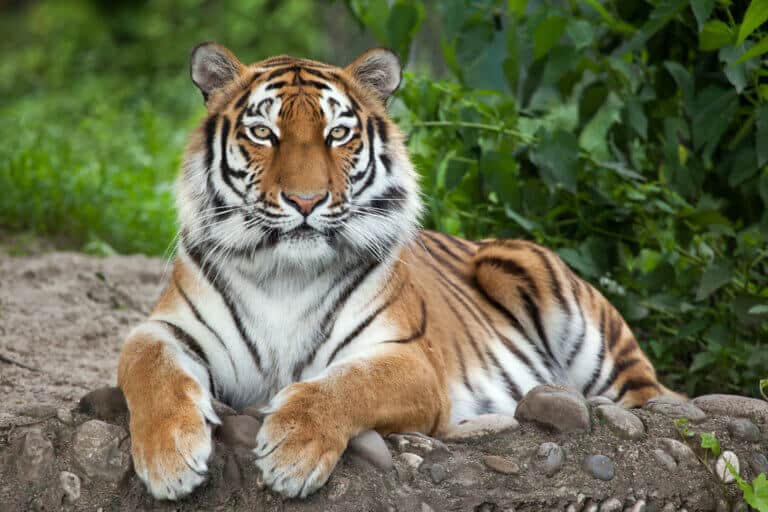
An estimated 5,000 tigers are kept as pets in the United States, compared to only 3,900 that still live in the wild. – Gitnux Report 2024
What is the pet trade?
The exotic pet trade refers to both the legal and illegal multi-billion dollar industry of breeding wild animals in captivity or taking them from their natural habitat to be sold and kept as pets.
Where do the animals come from?
Some animals are bred in captivity for sale. Others are captured in the wild.
If the species is not protected by legislation, an animal captured in the wild can be legally obtained. However, the demand for protected species is extremely high, frequently leading to poaching and other illegal trade activities.
Some wild-caught animals are labeled captive-bred to avoid protected species trade laws and regulations.
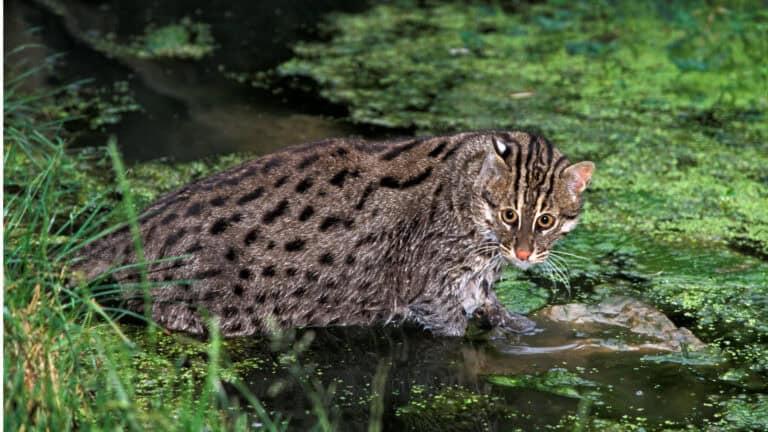
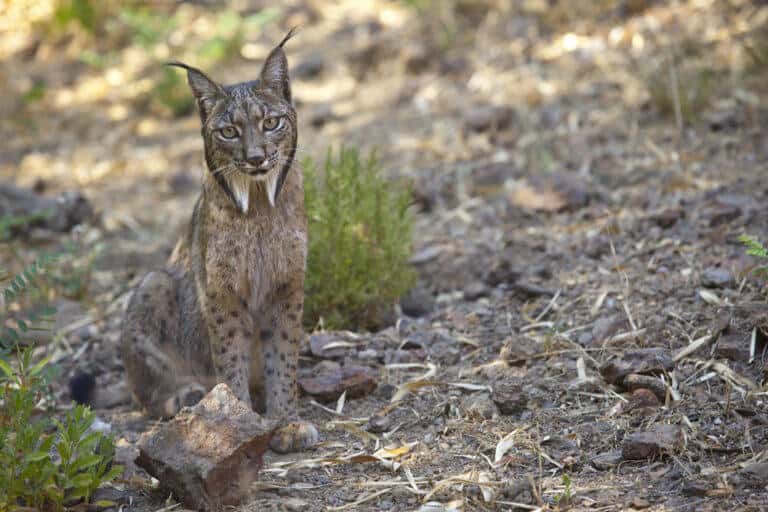
Wild cats sold as pets typically come from breeders, other private individuals, ranches, or zoos.
What happens when the animal is transported?
When the animal is transported to a new pet owner, pet store, or exotic animal auction, many will suffer and die in transit, especially animals captured in the wild.
What happens after they are sold?
Most owners of exotic pets lack the knowledge, financial ability, or space to properly care for their pets and meet their needs.
Many of these pets will either become sick or injured and die or end up being sent to a zoo or exotic animal sanctuary.
According to one report, the chances of a new exotic pet after being bought is just over 20%.
Wild cat ownership in the U.S.
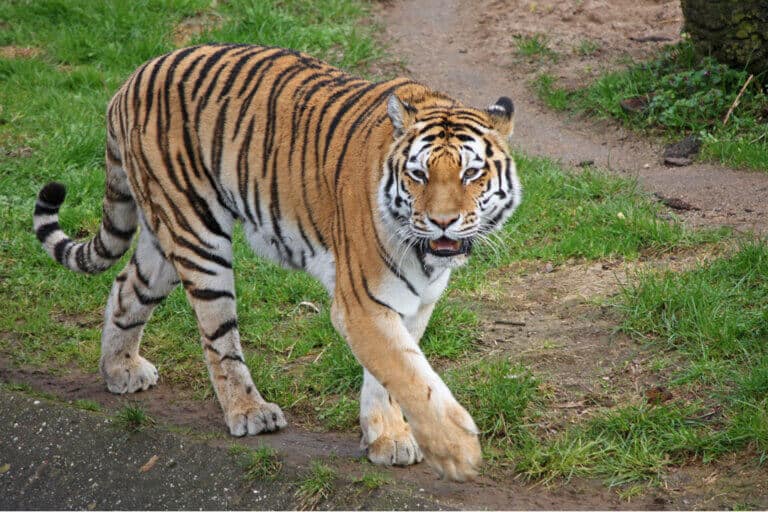
An estimated 18.1 million exotic pets are owned in the United States, of which 20,000 are wild cats. Of the 20,000 wild cats, approximately 5,000 to 7,000 are tigers. There are more tigers in captivity in the U.S. than in the wild (CNN)
The new Big Cat Public Safety Act now makes it illegal to own or breed big cats privately. Big cat owners had until June 18, 2023, to register their cats.
The impact of social media on the exotic pet trade
Photos and videos of people with exotic animals often go viral. This makes wild animals look fun or glamorous to own. As a result, more people want them as pets. Some influencers use exotic pets to get more followers and likes.
How is the exotic pet trade harmful?
The exotic pet trade is considered a threat to the survival of many species, especially wild cats.
- Many animals die before reaching their buyer.
- Most exotic pets do not receive proper care.
- Removing wild cats from nature lowers their population.
- Captive animals often cannot breed successfully.
- Apex predators like wild cats play an important role in the ecosystem. Taking them away harms the balance of nature.
- Wildlife trafficking increases the risk of spreading new diseases to people and animals.
Legal gaps and enforcement problems
Even with laws in place, the exotic pet trade continues. Some countries have weak enforcement. Others lack the resources to stop poaching and illegal sales.
International laws like CITES (Convention on International Trade in Endangered Species) regulate trade in protected animals. But loopholes are common, and not all countries follow the rules.
Where do unwanted pets go?
Many end up in sanctuaries, but space and funding are limited. Some are left in backyards, abandoned in the wild, or euthanized (put to death humanely). Sanctuaries struggle to care for the animals already in their care.
Here is what some wild cat rescue and sanctuary organizations have to say about the extoic pet trade:
“The blurred line between legal and illegal trade has direct consequences for big cats living in captivity. Legal loopholes allow unscrupulous breeders to perpetuate a cycle of suffering by mass-producing exotic cats for roadside zoos and backyard enclosures. Cubs born in captivity are often used for cub-petting, only to be discarded or sold once they outgrow their usefulness. This creates a surplus of captive cats with no place to go—further fueling the cycle of exploitation.” – Source: Big Cat Rescue
“The exotic pet trade is second only to the billion-dollar trade in drugs. This trade causes more suffering for big cats than poaching and loss of habitat combined.” – Source: The Wildcat Sanctuary
“Lions Tigers & Bears is dedicated to providing a safe haven to abused and abandoned exotic animals and to inspiring an educational forum to end the exotic animal trade.” – Source: Lions Tigers & Bears
What the exotic pet trade really means
The exotic pet trade is often seen as a question of ownership—whether someone can properly care for a wild animal. But the larger issue begins long before the animal reaches a home and continues long after.
As shown earlier, many animals are bred or taken from the wild, transported through a system where many do not survive, and then sold into private ownership. By the time an animal becomes a pet, it has already gone through a process that affects its chances of survival and long-term health.
Even in cases where an owner provides good care, the environment is very different from what the animal evolved to live in. Large predators and wide-ranging species are placed into confined spaces where movement, behavior, and interaction are limited.
This is not defined by a single moment of ownership, but by the entire system that brings the animal there—and what happens after.
It is a forced existence that some animals may adapt to, but many others do not. Over time, this can lead to health problems, behavioral stress, or early death, and many animals eventually end up in sanctuaries or are passed from one owner to another.
Looking at the full picture, the issue is not only whether an animal can be kept, but how often that outcome is sustainable, and what happens when it is not.
Solutions to exotic pet trade
Reducing the exotic pet trade depends on limiting demand, strengthening regulations, and improving awareness of the full lifecycle of these animals.
- Stronger regulations and enforcement: Restrict or ban private ownership of high-risk and non-domesticated species
- Reduce demand: Educate the public about the realities of the trade, including mortality rates and long-term care challenges
- Regulate breeding and sales: Close loopholes that allow animals to be sold through private dealers, auctions, and online markets
- Support sanctuaries and rescues: Provide funding and resources for facilities that care for displaced or surrendered animals
- Responsible media and content: Reduce the promotion of exotic animals as pets on social media and entertainment platforms
Annual Exotic Pet Trade Update (2026)
The exotic pet trade continues to evolve, shaped by global demand, enforcement efforts, and changes in how animals are bought and sold. Recent developments highlight both the scale of the trade and the challenges involved in regulating it.
Global seizures highlight the scale of the trade
A major international enforcement effort in 2025 led to the seizure of nearly 30,000 live animals across 134 countries. Authorities identified over 1,000 suspects and uncovered thousands of illegal shipments, including reptiles, birds, primates, and even big cats. Demand for exotic pets was identified as a major driver behind these record numbers.
https://people.com/30-000-animals-rescued-in-month-long-global-extraction-mission-11871064
Exotic pet demand is driving wildlife trafficking networks
Law enforcement agencies report that the demand for live animals as pets is contributing to the growth of wildlife trafficking as a global criminal industry. Estimates suggest wildlife crime is now worth over $20 billion annually, with live animal trade forming a significant part of that system.
https://www.arabnews.com/node/2625853/world
Online marketplaces are expanding access to exotic species
The rise of social media and online platforms has made it easier for buyers and sellers to connect, including in illegal markets. Recent reporting shows that animals are often sold online and misrepresented as captive-bred, allowing traffickers to bypass regulations. This has led to calls for tighter international controls and updated enforcement strategies.
https://apnews.com/article/cites-convention-uzbekistan-exotic-pet-trade-3db6781c7a70b479d7087e899bd7aee5
Recent cases show continued trafficking of wild cats and other species
Individual enforcement cases continue to highlight how the trade operates. In one example, cheetah cubs were trafficked from East Africa toward private buyers, with some animals dying during transport due to poor conditions. These cases reflect ongoing demand for wild animals as status symbols or private pets and show how difficult the trade can be to control across borders.
https://www.lemonde.fr/en/international/article/2026/04/01/the-deadly-cheetah-trafficking-between-somaliland-and-the-gulf_6752003_4.html
What experts are saying:
“The staggering numbers of tigers and cheetahs being kept as pets in the US and Gulf States seem to suggest that owning an exotic feline is the new must-have accessory for the discerning homeowner. Apparently, having more of these majestic creatures lounging in suburban living rooms than roaming freely in their natural habitats is the latest trend.” – Gitnux
“Global demand for exotic pets is increasing, a trend partly caused by social media and a shift from physical pet stores to online marketplaces…Wildlife trade can have major negative consequences. It can threaten the wild populations from which animals and plants are harvested, and introduce novel invasive species to new environments. It can also lead to diseases transmitted from wildlife to humans and threaten the welfare of trafficked animals.” – phys.org





0 Comments