

Conservation Problems Explained
Wild cat conservation is shaped by a set of recurring challenges that affect species across different regions and habitats. These problems are often connected, with one issue—such as habitat loss—leading to others like food shortages, human-wildlife conflict, and population decline.
Some threats are direct, including poaching and illegal wildlife trade. Others are broader and harder to manage, such as climate change, deforestation, and expanding human development. In many cases, these pressures combine, making it more difficult for wild cat populations to survive and recover.
Understanding these threats is the first step in conservation. Each issue affects wild cats in different ways, depending on their habitat, behavior, and ability to adapt. The pages below explore the most common conservation challenges and how they impact wild cats around the world.
The 3 Biggest Threats
Wild cat populations are affected by a range of pressures, and there is ongoing discussion about which threats have the greatest impact. The relative importance of each can vary by species and region. However, three threats are widely recognized as among the most significant across many wild cat populations.
Habitat Loss
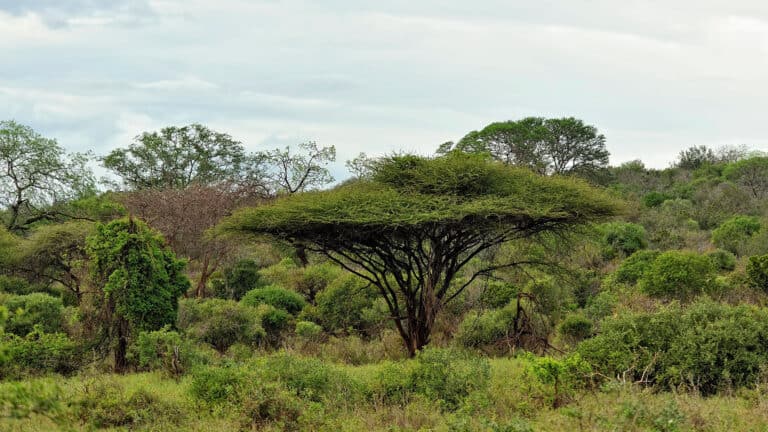
Habitat loss is the most significant threat to wild cats worldwide. As forests, grasslands, and wetlands are cleared or altered for agriculture, development, and infrastructure, wild cats lose the space they need to hunt, reproduce, and survive. These changes also reduce prey availability, making it more difficult for populations to remain stable even where habitat still exists.
Wildlife Trafficking
Wildlife trafficking, including poaching and illegal trade, directly reduces wild cat populations. Cats are targeted for their skins, bones, and other body parts, as well as for the exotic pet trade. This threat is especially severe for species that are already rare or have limited ranges, placing additional pressure on already vulnerable populations.
Human–Wildlife Conflict
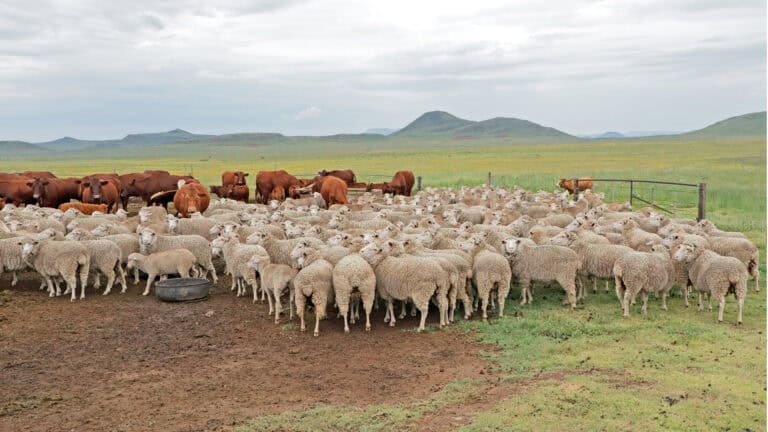
Human–wildlife conflict occurs when expanding human activity overlaps with wild cat habitats. As natural spaces shrink, wild cats may come into closer contact with people, particularly in areas where livestock or settlements are present. In these situations, animals are often killed in response to perceived risk or economic loss. This reflects a broader challenge of land use and coexistence, where conservation efforts must balance human needs with the protection of wildlife.
Threats Around the World
Not all conservation threats are experienced in the same way around the world. In regions where wild cats still live in natural habitats, issues such as habitat loss, wildlife trafficking, and human–wildlife conflict are more visible and immediate.
In other parts of the world, including many Western countries, these same pressures often appear in less direct ways. Wild cats may be removed from their natural environments and kept as exotic pets or displayed in entertainment settings such as roadside zoos, private collections, or unregulated facilities. Even when animals are bred in captivity, these systems can raise questions about welfare, oversight, and their connection to broader wildlife trade networks.
In some cases, wild cats have also been used in ways that reflect status, decoration, or collection. Historically, this has included items such as fur rugs, mounted skins, or coats made from wild cat pelts. While many of these practices are now restricted or banned in much of the world, they still exist in some forms and can contribute to ongoing demand.
There are also indirect connections through global markets. Certain wildlife products and materials can be linked to conservation pressures, even if those connections are not always visible to the end user. This can make it difficult to fully understand how everyday choices relate to wildlife conservation.
Understanding these differences puts conservation challenges in a broader context. It shows how local conditions, product demand, and human activity are connected, even when the impacts are not immediately visible.
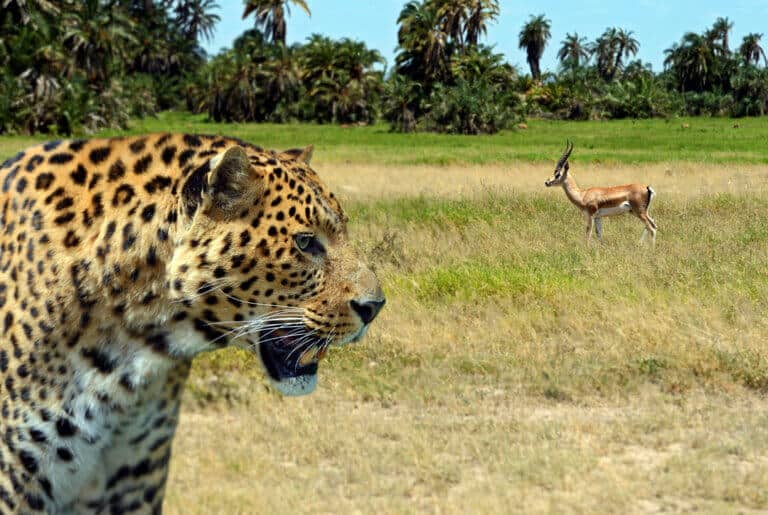
Loss of Prey
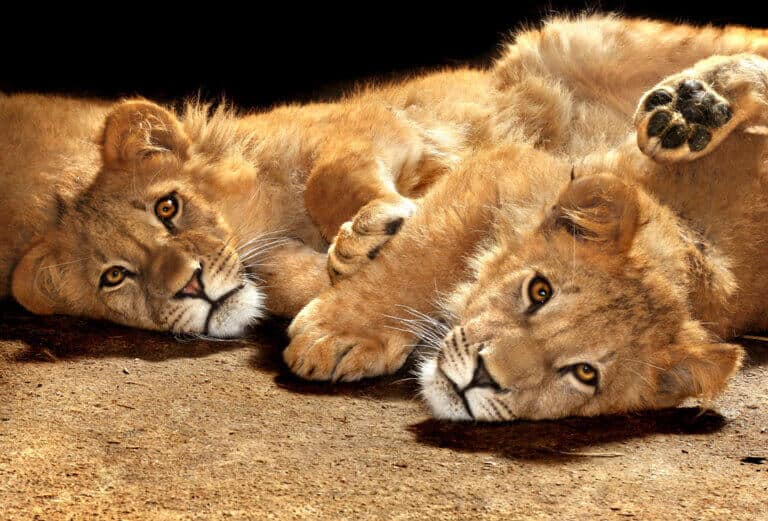
Canned Lion Hunting

Habitat Loss
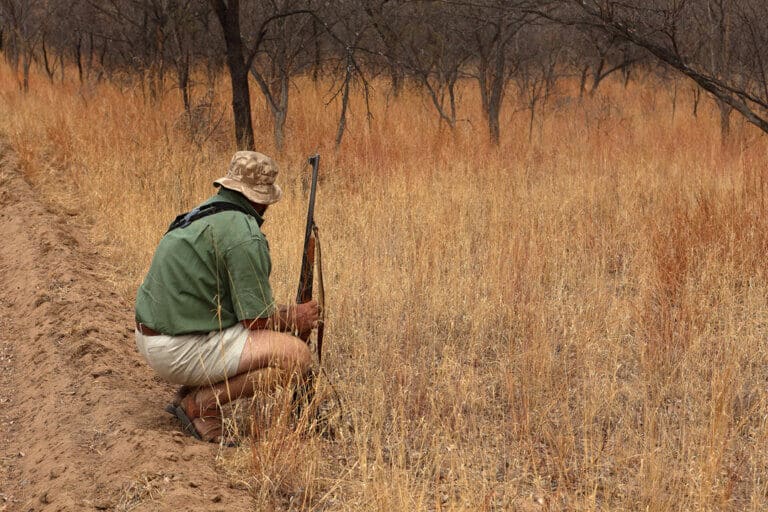
Trophy Hunting
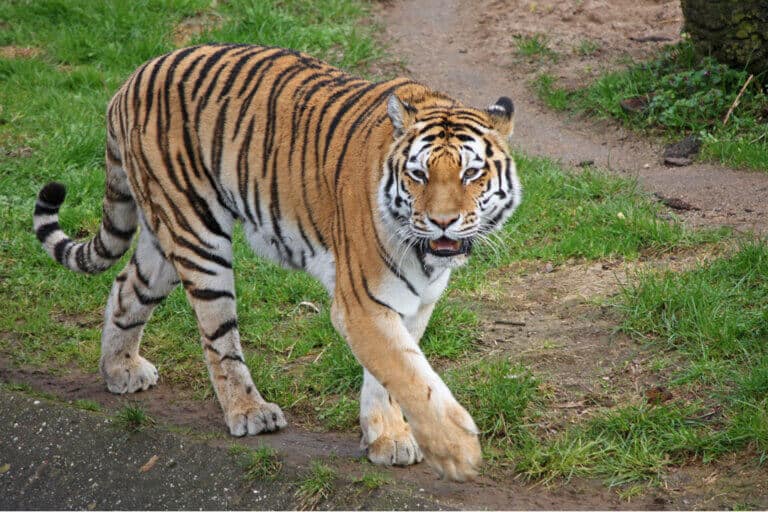
Illegal Wildlife Trade
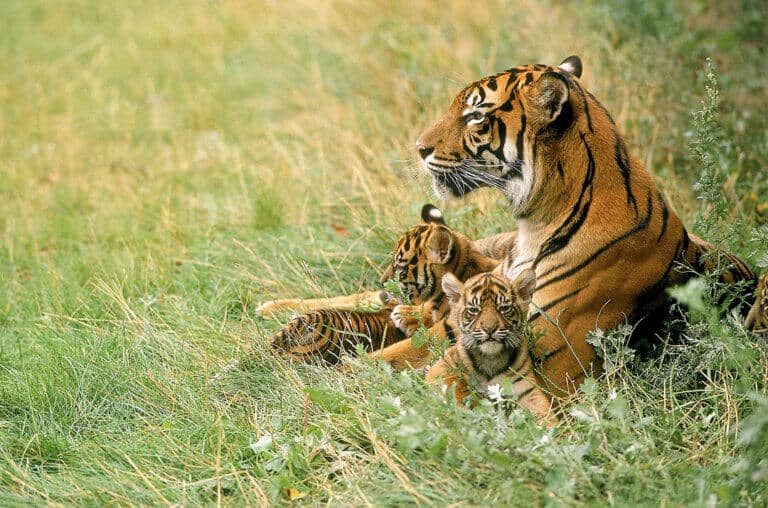
Exotic Pet Trade


0 Comments