Big cats are some of the most powerful and recognizable animals in the world. From the roaring lions of Africa to the fast-moving cheetahs of open grasslands, each species has evolved in its own way to survive and hunt. While they share certain traits like strength, sharp claws, and keen senses, every big cat is different. This page brings together big cat facts about these animals to help you understand what makes each one unique.
These animals are often grouped together, but the term “big cats” can mean different things depending on how it is used.
What Makes Big Cats Unique
Most scientists classify lions, tigers, leopards, and jaguars as “big cats” because they can roar. However, the term is often used more broadly to include other large wild cats such as cheetahs, cougars, snow leopards, and clouded leopards.
Each species has its own unique traits, behaviors, and adaptations. Below is a collection of interesting and surprising big cat facts, organized by species.
____________________________
“The large cats of the genus Panthera are among the most powerful terrestrial predators and occupy a key role in ecosystems worldwide.” – Source: Nature (research on big cat evolution and ecology)
____________________________
Defining Big Cats
The term “big cats” can be understood in two different ways, depending on how it is used.
In a scientific sense, big cats usually refer to members of the Panthera genus—lions, tigers, leopards, and jaguars. These cats share a specialized vocal structure that allows them to roar, which is one of the key traits used to group them together.
However, the term is often used more broadly to include other large wild cats such as cougars, cheetahs, snow leopards, and clouded leopards. While these species may not all be able to roar, they are similar in size, behavior, and ecological role.
This broader definition is the one used on this page. It reflects how people commonly think about big cats—as the largest and most recognizable wild cats in the world, regardless of their exact classification.
Each of these species has evolved in different environments and developed its own unique adaptations. Looking at them together makes it easier to understand both what they share and what makes each one distinct.
See a complete list of the biggest wild cats.
Big Cats Compared to Other Predators
Big cats are apex predators, meaning they sit at the top of the food chain in their environments. However, they are not the only animals that fill this role. Other apex predators include wolves, bears, crocodiles, sharks, and large birds of prey.
What sets big cats apart is how they hunt. Most big cats rely on stealth, patience, and explosive power. They stalk their prey quietly and attack at close range, using speed and strength to bring it down quickly. This is different from predators like wolves, which hunt in packs and rely on endurance, or crocodiles, which use ambush tactics in water.
Big cats also have specialized physical adaptations. Their retractable claws help them grip prey, their powerful jaws deliver precise killing bites, and their flexible bodies allow for speed and agility. In contrast, animals like bears depend more on size and strength, while birds of prey rely on flight and sharp talons.
In many ecosystems, big cats play a critical role in maintaining balance. By controlling populations of large herbivores, they help prevent overgrazing and support healthy habitats. This role is similar to other apex predators, but each species influences its environment in different ways.
Predator comparison
- Big cats: Stealth hunters, short bursts of speed, solitary
- Wolves: Pack hunters, endurance-based pursuit
- Bears: Strength and opportunistic feeding
- Crocodiles: Ambush predators in water
- Birds of prey: Aerial hunters with sharp vision
Top Big Cat Facts
- The tiger is the largest wild cat in the world.
- The cheetah is the fastest land animal, reaching speeds up to 70 mph.
- A lion’s roar can be heard up to five miles away.
- Snow leopards cannot roar, even though they belong to the Panthera lineage.
- Jaguars have the strongest bite of any big cat.
- Leopards can carry prey heavier than their own body weight into trees.
- Cougars are more closely related to domestic cats than lions.
- Clouded leopards have the longest canine teeth relative to skull size of any cat.
List of Big Cat Facts
Each big cat species has its own unique traits, behaviors, and adaptations. While they share common features like strength, sharp claws, and hunting ability, no two species are exactly alike. The facts below highlight some of the most interesting characteristics of each big cat, from speed and size to behavior and habitat.
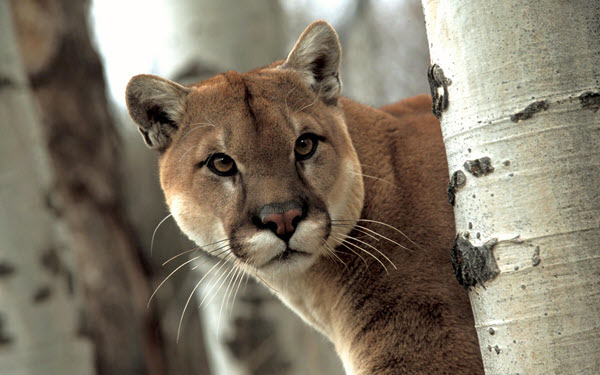
Cougar Facts
Key cougar fact: the cougar stands apart from other big cats because it is more closely related to smaller wild cats than to lions or tigers. Despite its large size and wide range across the Americas, it cannot roar and instead communicates through purrs, chirps, and screams.
- The cougar has many names, including puma, mountain lion and panther
- It is the second heaviest big cat (the jaguar is the heaviest)
- Cougars can be found throughout Central, North and South America
- The cougar is more closely related to smaller wild cats (and even domestic cats) than the lion.
- There are over 30 different subspecies of cougar
- Read more about the cougar.
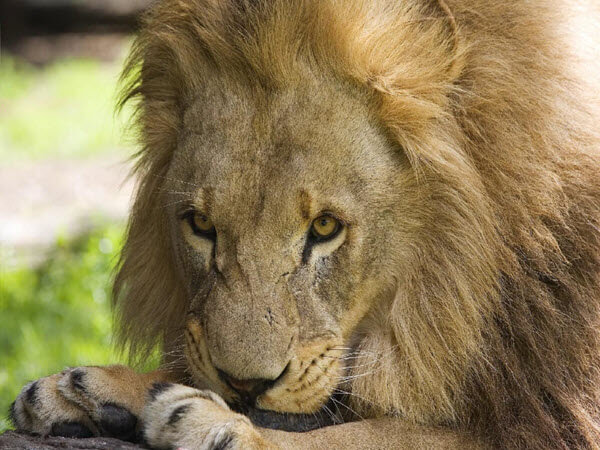
Lion Facts
Key lion fact: the lion is unique among big cats for its social behavior. Unlike most wild cats, lions live in groups called prides, where they hunt, raise cubs, and defend territory together.
- Lions are the second largest wild cat in the world.
- Female lions generally live longer than male lions.
- Female lions also do most of the hunting
- A lion’s roar can be heard up to five miles away.
- Read more about lions and Asiatic lions.
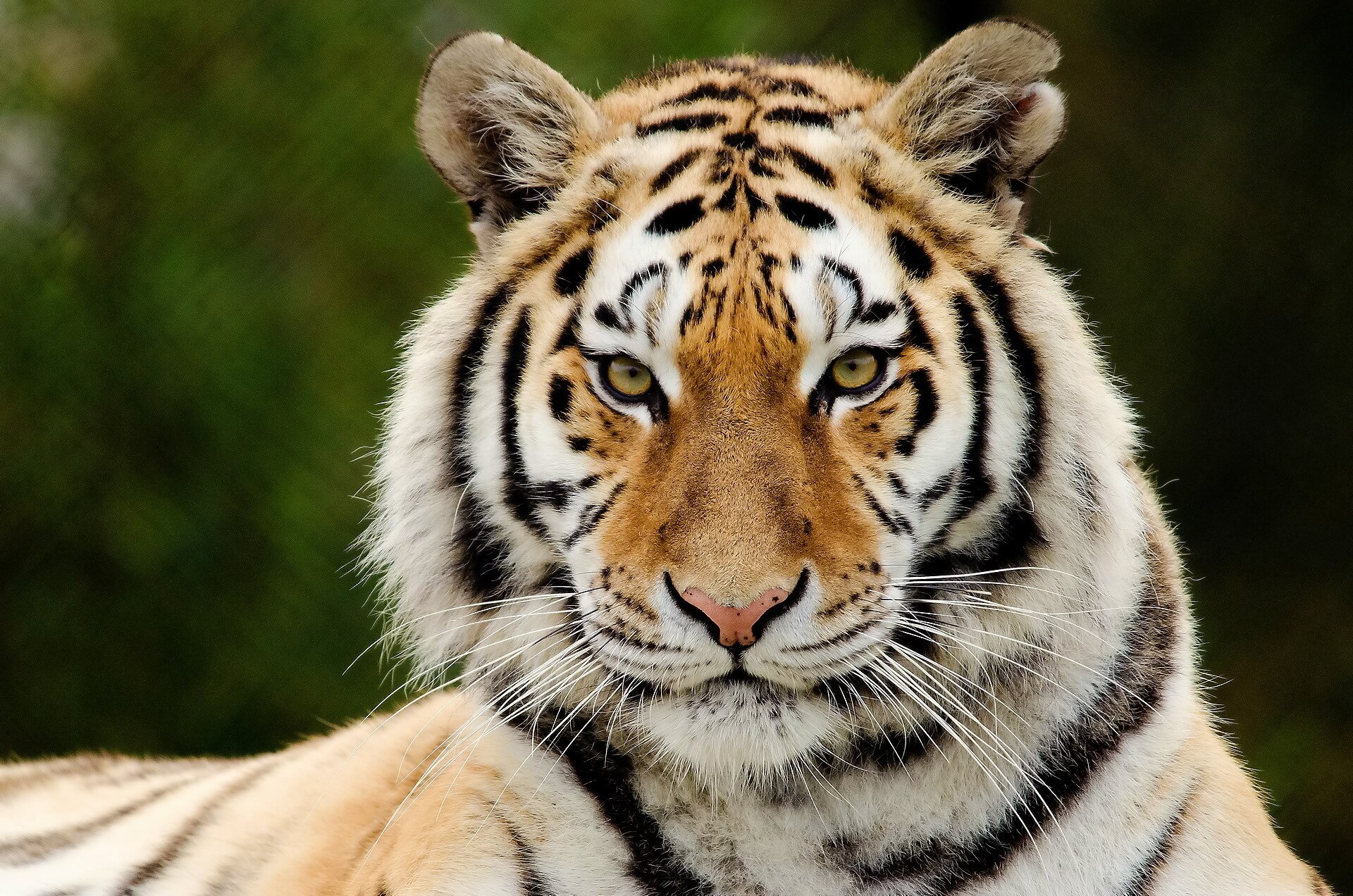
Tiger Facts
Key tiger fact: the tiger is the largest of all wild cats and is known for its power and solitary nature. Each tiger has a unique stripe pattern, which helps it blend into dense vegetation while hunting alone.
- Tigers are the largest wild cat in the world.
- Every tiger has a different tiger stripe pattern.
- Tigers are excellent swimmers.
- More tigers are now kept as pets than live in the wild.
- Read more about tigers.
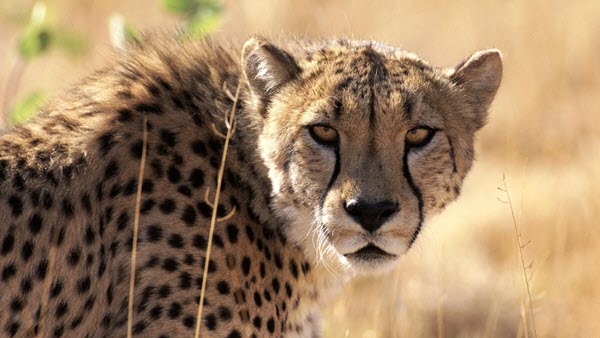
Cheetah Facts
Key cheetah fact: the cheetah is the fastest land animal, built for speed rather than strength. Its lightweight body, long legs, and flexible spine allow it to accelerate rapidly, making it a specialized hunter unlike any other big cat.
- Cheetahs are the fastest land animal in the world.
- Cheetahs generally hunt during the day, unlike lions and leopards.
- Cheetahs don’t see very well at night but can spot prey up to 3 miles away during the day.
- The number of Cheetahs in the wild has declined by 90% in the last century.
- Read more about cheetahs.
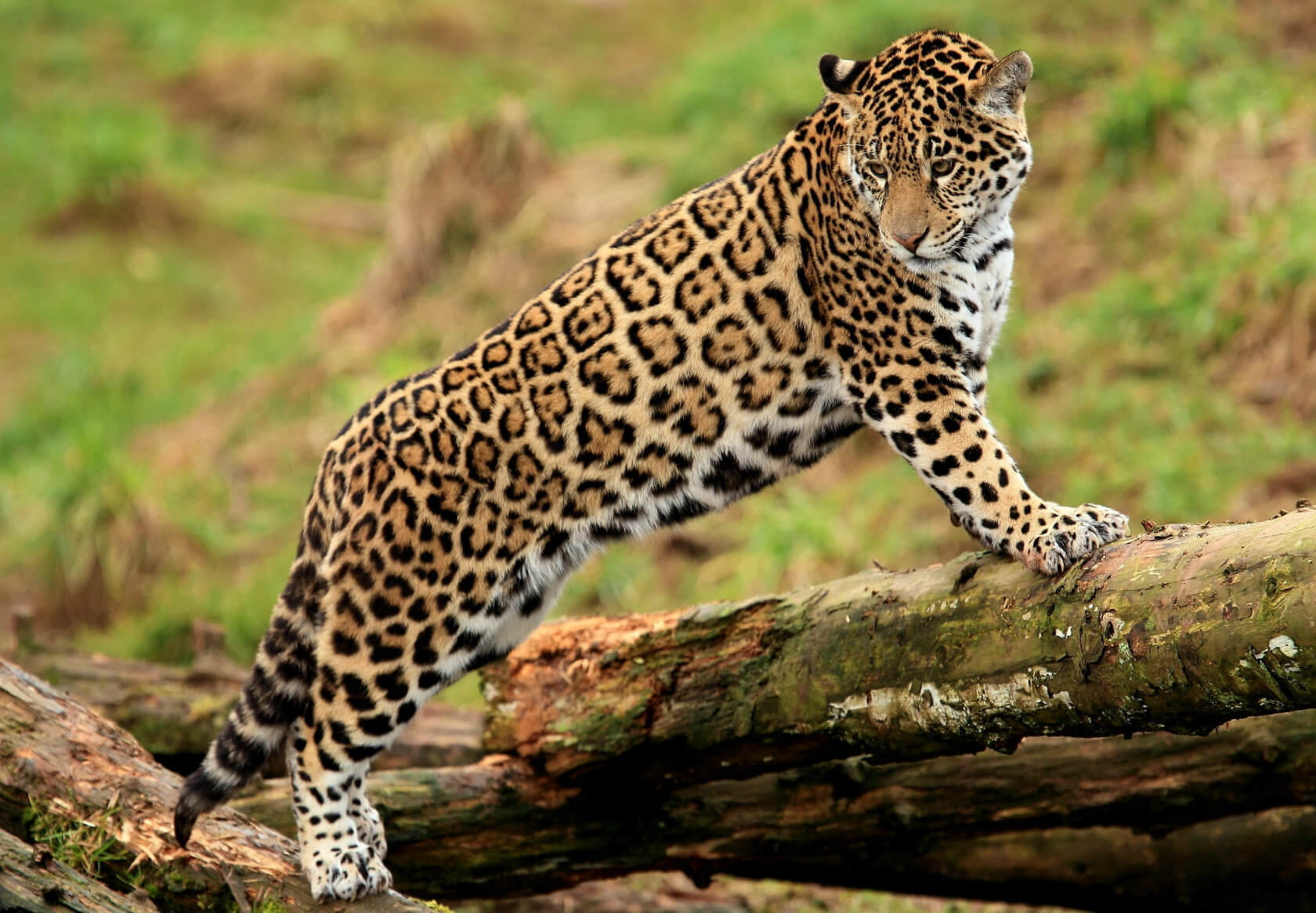
Jaguar Facts
Key jaguar fact: the jaguar has the strongest bite of any big cat relative to its size. Unlike most cats, it often kills by biting directly through the skull of its prey, an adaptation that sets it apart from other predators.
- The word jaguar means “he who kills with one leap”
- The jaguar is the largest cat in North and South America.
- The jaguar is the third largest wild cat species.
- Jaguars like to swim in streams.
- Read more about jaguars.
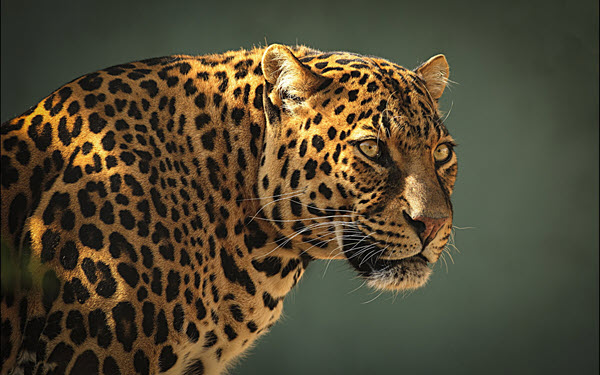
Leopard Facts
Key leopard fact: the leopard is one of the most adaptable big cats, able to live in a wide range of environments from forests to deserts. Its ability to carry prey into trees helps it avoid competition with other predators.
- A leopard can carry extremely heavy prey up to 100 lbs. – approximately twice its weight.
- Leopards can be found in more places throughout the world than any other wild cat
- Leopards climb trees with speed and agility.
- They often sit on a shady tree limb during the day to keep out of the sun.
- Read more about leopards.
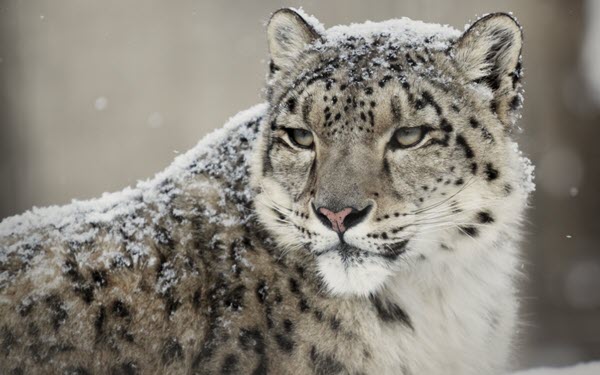
Snow Leopard Facts
Key snow leopard fact: the snow leopard is specially adapted for life in cold, mountainous environments. Its thick fur, long tail, and powerful legs allow it to move across snow and steep terrain with remarkable agility.
- A snow leopard can leap as much as seven times the length of their own body – around 50 feet.
- The snow leopard’s wide, furry feet act as snow shoes.
- A snow leopard can kill prey three times its weight.
- Snow leopard populations are on a dramatic decline due to poaching.
- Read more about snow leopards.
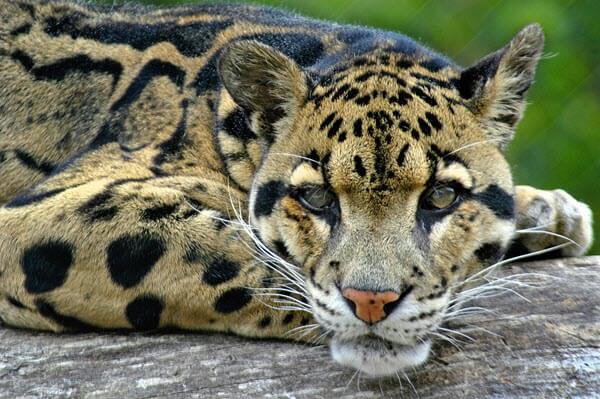
Clouded Leopard Facts
Key clouded leopard fact: the clouded leopard is often considered a link between big cats and smaller wild cats. It has unusually long canine teeth and strong climbing ability, allowing it to hunt and move through trees with ease.
- The clouded leopard is considered an evolutionary link between big cats and small wild cats
- Clouded leopards have long canine-like teeth and short, sturdy legs.
- Clouded leopards are excellent climbers.
- Clouded leopards sleep in trees during the day and go hunting at night.
- Read more about clouded leopards.
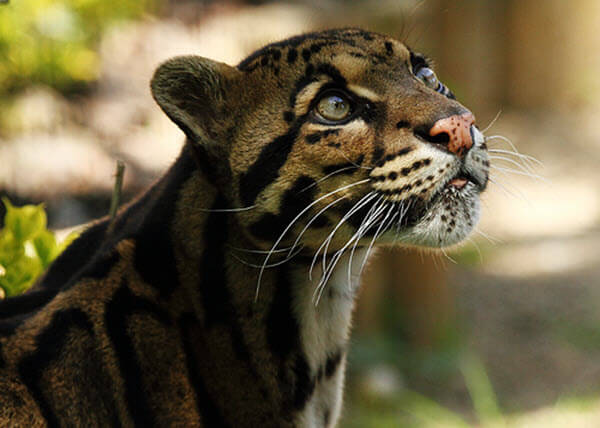
Sunda Clouded Leopard Facts
Key sunda clouded leopard fact: the Sunda clouded leopard is a separate species found only in Southeast Asia. It is smaller than most big cats but highly adapted to forest life, spending much of its time in trees and hunting at night.
- The Sunda clouded leopard has been recognized as a separate species since 2006.
- The clouded leopard and Sunda clouded leopard are the smallest big cats.
- The Sunda clouded leopard can be found in Borneo and Sumatra.
- Both the clouded leopard and Sunda clouded leopard are usually only seen at night.
- Read more about the Sunda clouded leopard.
Big cats are more than just powerful predators—they are an important part of the ecosystems they live in. Each species plays a role in maintaining balance, from controlling prey populations to shaping the environment around them. Understanding what makes each big cat unique is a first step toward appreciating these animals and the challenges they face in the wild.