
Returning Wild Cats to the Wild
Species reintroduction is the release of a species back into the wild where it used to live. Due to both successes and failures, it is one of the more controversial forms of wildlife conservation and management.
The goals of reintroduction depend on the species and location. They can include:
- Restoring a population to its indigenous range.
- Restoring a population outside of its indigenous range.
- Improving the health and well-being of an existing population by increasing its genetic diversity.
- Restoring an ecosystem’s health and balance.
An important factor in species reintroduction is determining where the species will come from, such as existing wild populations or captivity (i.e., breeding the species in captivity for release in the wild).
Here are some examples of wild cat reintroduction programs:
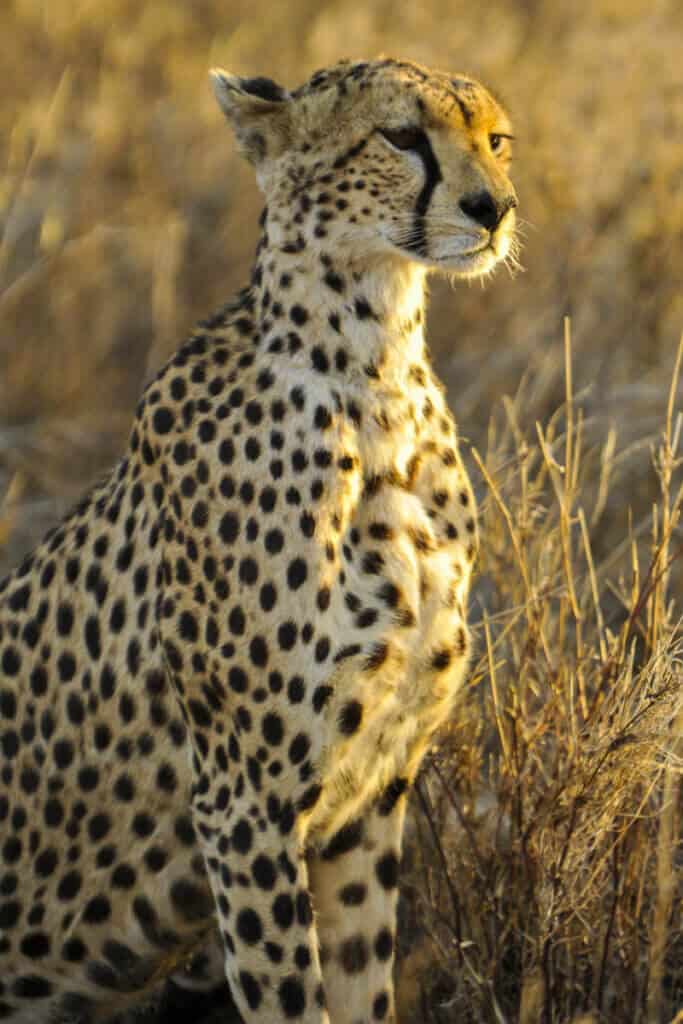 Cheetah reintroduction in India
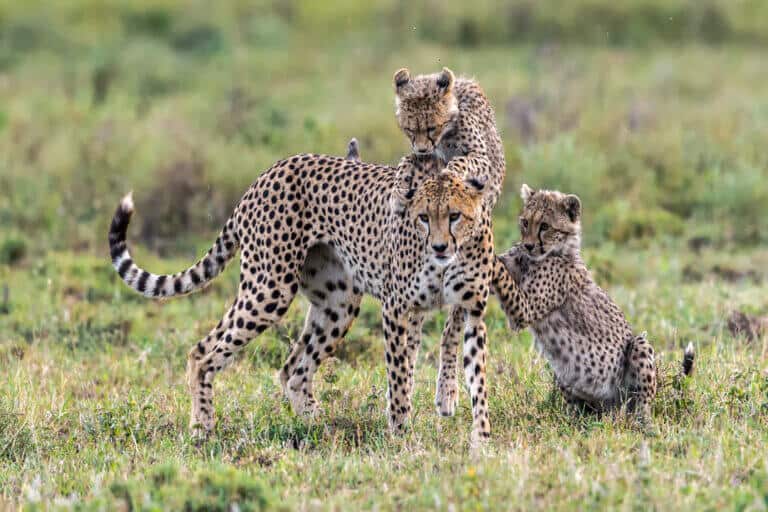
The Southeast African cheetah is being reintroduced into India, once inhabited by the Asiatic cheetah. The cheetahs are being flown in from Nambia and South Africa. In 2022, five female and three male cheetahs were brought to Kuno National Park in the state of Madhya Pradesh.
“Three sites – a national park and two wildlife sanctuaries – in the states of Madhya Pradesh and Rajasthan have been identified for reintroducing the cheetah…The first eight cats will find their home in Kuno National Park in Madhya Pradesh, which has ample prey like antelope and wild boars. Wildlife experts are also rooting for a tiger reserve in Rajasthan’s Mukundra hills as a promising habitat.” – BBC
“As per the latest developments, the African cheetahs in Madhya Pradesh’s Kuno National Park will soon roam free in the wild. Nearly a year after they were returned to enclosures for health check-ups and monitoring, the African cheetahs that were brought to India as part of the world’s first intercontinental translocation of big cats, will soon get to roam free again in the wild.” – Times of India
Cheetah reintroduction in Malawi
In 2017, four African cheetahs were flown from South Africa and reintroduced to Liwonde National Park in southern Malawi. The Republic of Malawi is a landlocked country in Southeastern Africa. The cheetahs were kept in an enclosure and then released into the wild. The project was launched in 2011 to protect the cheetah by increasing genetic diversity. Within two years, the population grew to 14 cheetahs.
“The reintroduction of the cheetah forms part of the collective vision of African Parks and the Malawian government to restore the country’s parks, rehabilitate wildlife populations, and increase tourism, creating highly-valued assets for the country and its people.” – African Parks.
Lynx reintroduction in Colorado
It is believed that the lynx disappeared from Colorado (USA) by the early 1970s. In the 1990s, Colorado Parks and Wildlife began a seven-year reintroduction program to bring the lynx back to the area. The program used lynx from Canada and Alaska. An estimated 150 to 250 lynx are now inhabiting Colorado.
“The lynx has been listed as a state-endangered species since 1976 and was federally listed as a threatened species in 2000. Colorado’s reintroduction efforts have successfully established a healthy population, but the species remains endangered.” – Colorado Parks and Wildlife
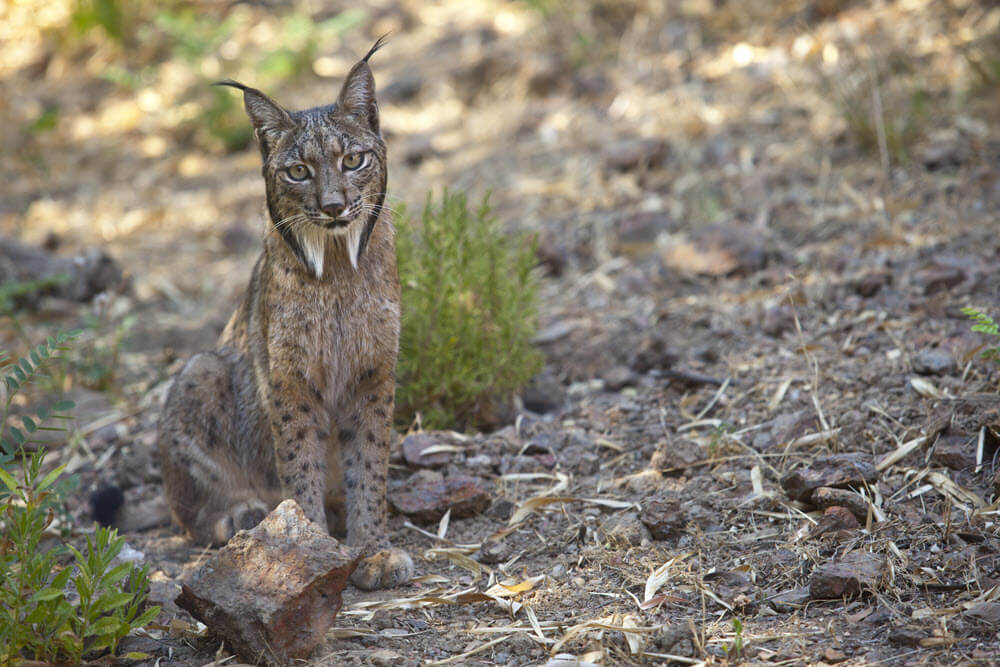
Iberian lynx reintroduction in Spain
The Iberian lynx was once an endangered species in Spain. The possibility of extinction was high due to:
- A decline in rabbit populations – the cat’s prey
- Low genetic diversity
- Habitat loss and fragmentation
- Mortality (poaching, poisoning, and collisions with vehicles)
- Disease
The reintroduction project used captive-bred Iberian lynx and resulted in an increase from less than 70 individuals in 2001 to over 2000 individuals in 2024.
“…the Iberian lynx has gone from “Endangered” to “Vulnerable” as a result of conservation efforts. The population has significantly increased thanks to reintroduction and captive breeding projects, with the population increasing from 62 mature individuals in 2001 to 648 in 2022. Today, the total population, including young and mature ones, is estimated to exceed 2000 individuals.” – IUCN
Annual Species Reintroduction Update (2026)
Species reintroduction continues to be an important conservation strategy, focused on restoring wildlife populations to areas where they have declined or disappeared. Recent efforts highlight both successful outcomes and the challenges involved in long-term population recovery.
Reintroduction programs are expanding in multiple regions
Governments and conservation groups continue to reintroduce species into protected habitats where conditions have improved. These programs often involve careful planning, habitat restoration, and long-term monitoring to support survival and reproduction.
https://www.iucn.org/theme/species/our-work/species-reintroduction
Some reintroduction efforts are showing measurable success
Well-managed reintroduction programs have led to population recovery in certain species. For example, conservation efforts have successfully increased populations of large mammals and predators in protected areas where threats have been reduced and prey populations are stable.
https://www.worldbank.org/en/topic/environment/brief/biodiversity-and-ecosystems
Long-term success depends on habitat and prey availability
Reintroducing a species is only one step in the process. Long-term success depends on having suitable habitat, sufficient prey, and reduced human pressure. Without these conditions, reintroduced populations may struggle to establish or expand.
https://www.fao.org/biodiversity/en/
Monitoring and management remain essential
Reintroduction programs require ongoing monitoring using tools such as tracking collars, camera traps, and population surveys. These efforts help conservationists understand how animals adapt to their environment and guide future management decisions.
https://www.unep.org/resources/report/state-knowledge-biodiversity





0 Comments