
Connecting Wild Cat Habitats
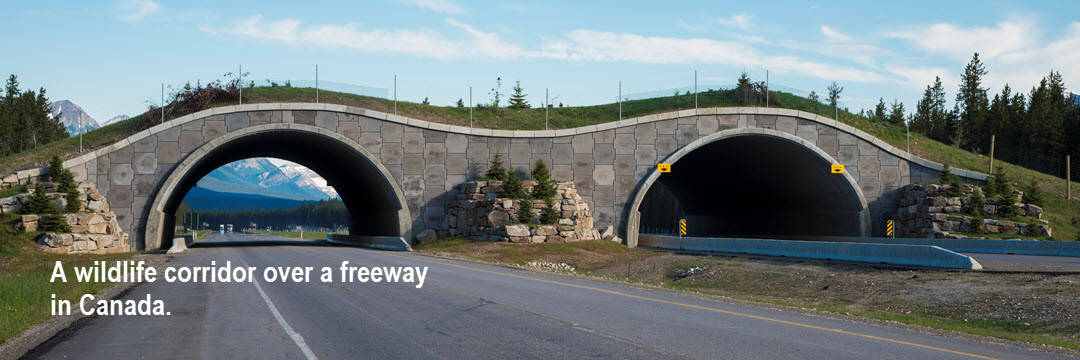
Wildlife corridors are designed to connect habitats that have been divided by roads, cities, and other forms of development. For wild cats, which often require large territories and the ability to move freely, these connections are essential. Without them, populations can become isolated, leading to reduced genetic diversity, limited access to prey, and increased risk of conflict with people. Wildlife corridors help restore these natural movement patterns, allowing animals to travel safely between habitats and supporting long-term survival in a changing landscape.
What is a habitat?
A habitat is a geographical area where an animal lives. It contains everything the animal needs to survive – the right weather, an abundance of prey (food), enough water and potential mates (the ability to reproduce).
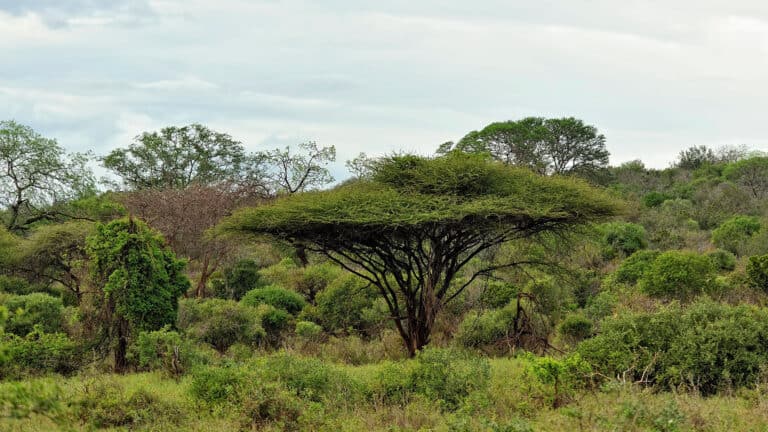
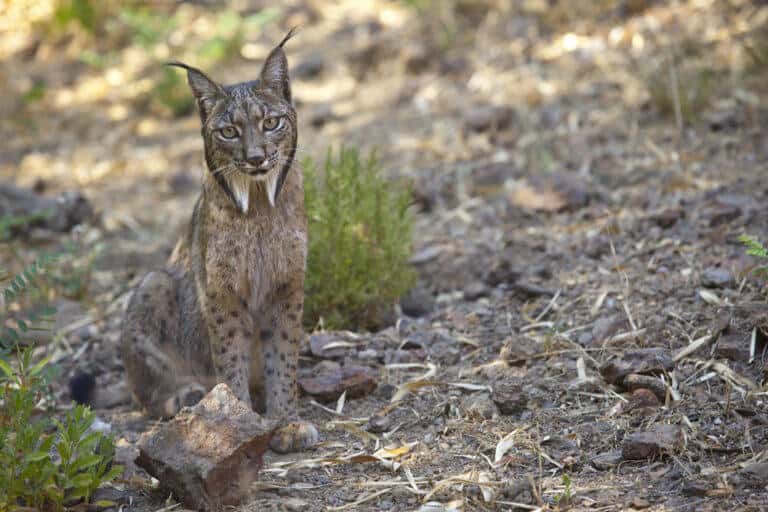
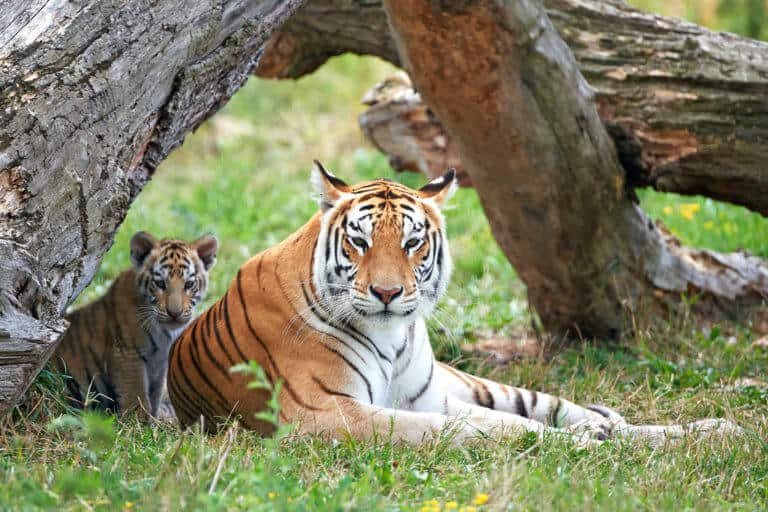
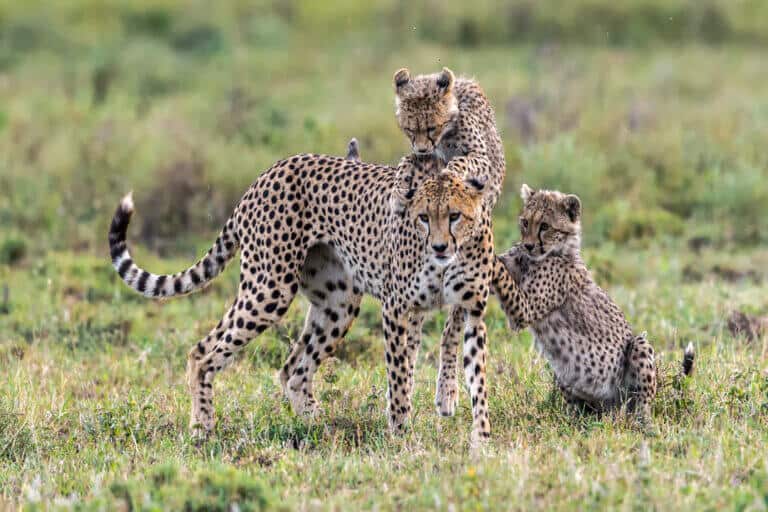
Wild cat habitats include deserts, grasslands, wetlands, waterways, areas with bushes (shrubland), forests, and mountain ranges.
A wild cat’s habitat can extend for hundreds of miles.
Habitat fragmentation
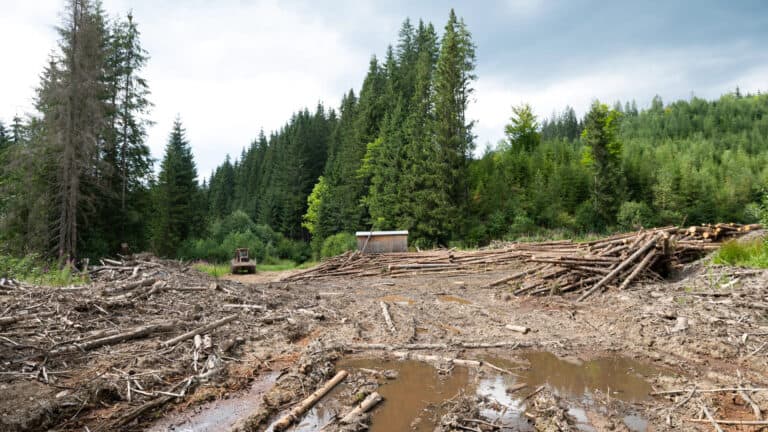
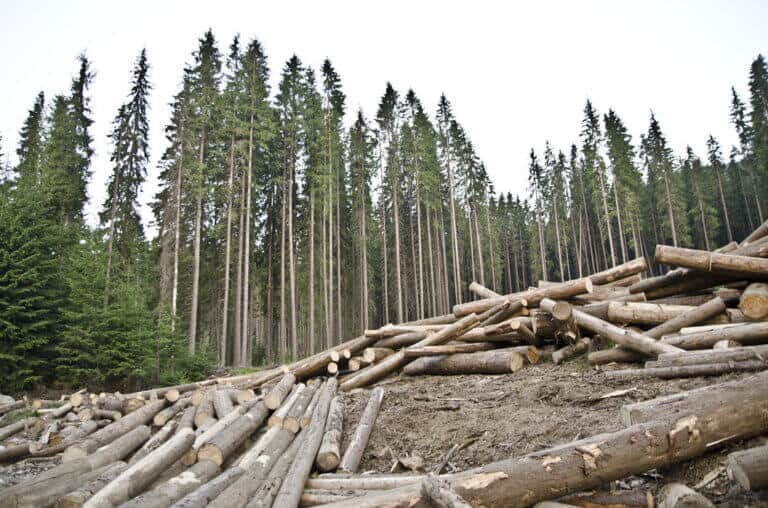
Roads, cities, dams, and other structures can fragment (separate) habitats, decreasing their size and isolating one part of the habitat from another. Natural reasons for habitat fragmentation, like fire and volcanic activity, can also exist.
Habitat fragmentation makes it more difficult for animals and other organisms living in the area to survive. According to one study, it is also the primary reason for the destruction of natural ecosystems, in some cases by as much as 75%. (Science.org – Habitat fragmentation and its lasting impact on Earth’s ecosystems 2015)
Many wild cat populations are declining because their habitat has become fragmented.
What is a wildlife corridor?
A wildlife corridor is a passageway connecting two or more fragmented habitats. Some wildlife corridors occur naturally, while others are created by humans.
Wildlife corridors can make it easier for animals to:
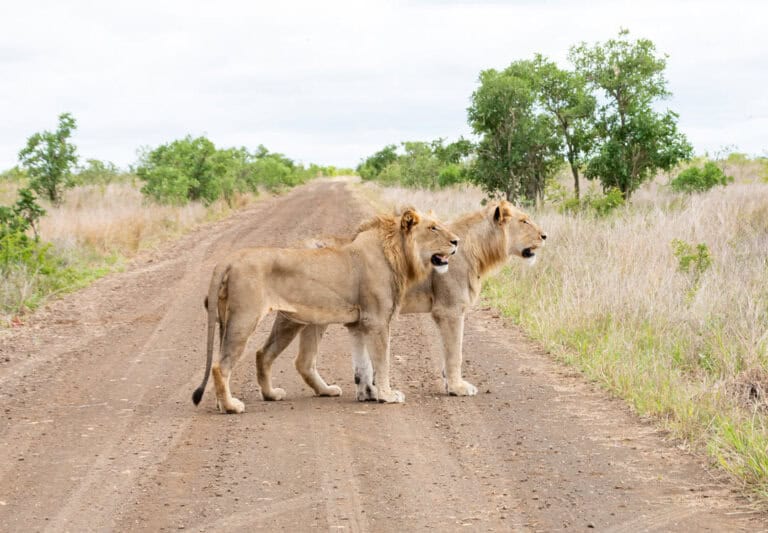
- Safely cross roads
- find food and water
- Mate and reproduce
- Escape from predators
- Find shelter
Creating and maintaining wildlife corridors is a way of preserving and protecting wildlife, ecosystems (communities of living things like animals, plants and organisms) and biodiversity (variety of life).
Annual Wildlife Corridors Update (2026)
Wildlife corridors are becoming a central part of modern conservation, helping reconnect fragmented habitats and allowing animals to move safely across landscapes shaped by roads, cities, and development.
Wildlife crossings are expanding across major infrastructure projects
Governments are increasingly building wildlife overpasses and underpasses to reduce habitat fragmentation. Studies show these crossings can significantly improve animal movement and reduce mortality. In some cases, wildlife crossings have reduced road-related deaths by more than 80–90%, while also improving ecosystem connectivity.
https://www.wildlandsnetwork.org/impactreport2025
https://www.ncelenviro.org/articles/new-jersey-joins-a-growing-list-of-states-to-establish-a-wildlife-corridor-action-plan/
New corridor designations are being recognized at the national level
Countries are formally identifying and protecting wildlife corridors as part of conservation planning. In 2026, Ecuador officially recognized a major connectivity corridor linking Andean and Amazon ecosystems, reflecting a broader shift toward landscape-scale conservation.
https://a-z-animals.com/articles/why-wildlife-corridors-are-having-a-moment-and-what-this-new-one-changes/
Wildlife corridors are being integrated into policy and land-use planning
State and local governments are increasingly required to identify and protect key wildlife movement routes. In the United States, new policies and funding programs are supporting corridor mapping, infrastructure redesign, and long-term connectivity planning across regions.
https://www.pew.org/en/research-and-analysis/articles/2025/09/08/smart-growth-how-wildlife-corridor-planning-pays-off-for-local-communities
https://conservationcorridor.org/corridor-concerns/
Corridors are proving effective in real-world use
Recent studies show that animals actively use wildlife corridors and crossings when they are properly designed and placed. Monitoring projects have documented consistent use by multiple species, confirming that corridors can successfully restore movement patterns disrupted by development.
Fragmentation remains a major challenge
Despite progress, habitat fragmentation continues to limit wildlife movement worldwide. Roads alone cause an estimated 1–2 million wildlife collisions per year in the United States, highlighting the ongoing need for corridor development and protection.

0 Comments