
Key Takeaways
- Wild cat populations are declining worldwide
- Most threats are linked to human activity
- Habitat loss is the primary pressure
- Conservation focuses on reducing threats and restoring ecosystems
What is conservation?
Conservation is the protection and responsible management of natural resources so they can be used and enjoyed both now and in the future. These resources include land, water, air, plants, and animals. Conservation is not just about preventing damage—it is also about maintaining balance and making sure ecosystems continue to function over time.
There are different types of conservation. Environmental conservation focuses on protecting the natural world as a whole, including forests, oceans, and climate systems. Wildlife conservation focuses specifically on protecting animal species and their habitats.
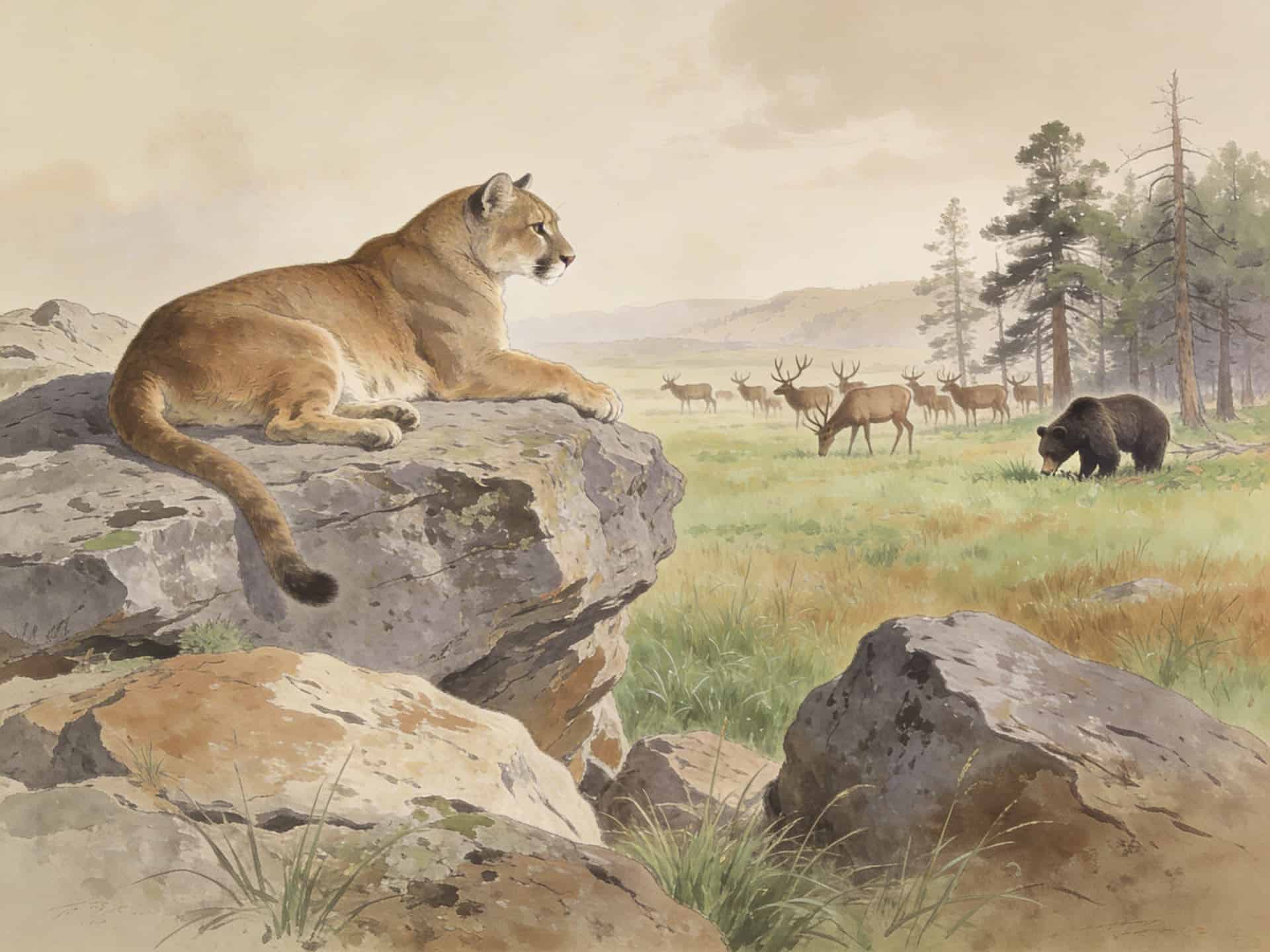
Healthy ecosystems depend on the balance between predators, prey, and their habitats. Conservation works to protect all parts of this system—not just individual species.
More about wildlife conservation
Wildlife conservation focuses on protecting animal species and the environments they depend on. This includes efforts to prevent species decline, protect habitats, and maintain stable populations in the wild.
Wildlife conservation can take many forms. Some efforts focus on protecting habitats, such as forests and grasslands. Others focus on reducing direct threats like poaching or illegal wildlife trade. There are also programs that support breeding, reintroduction, and long-term population monitoring. In many cases, conservation also involves working with local communities, governments, and organizations to create solutions that help both people and wildlife.
Understanding wild cat conservation
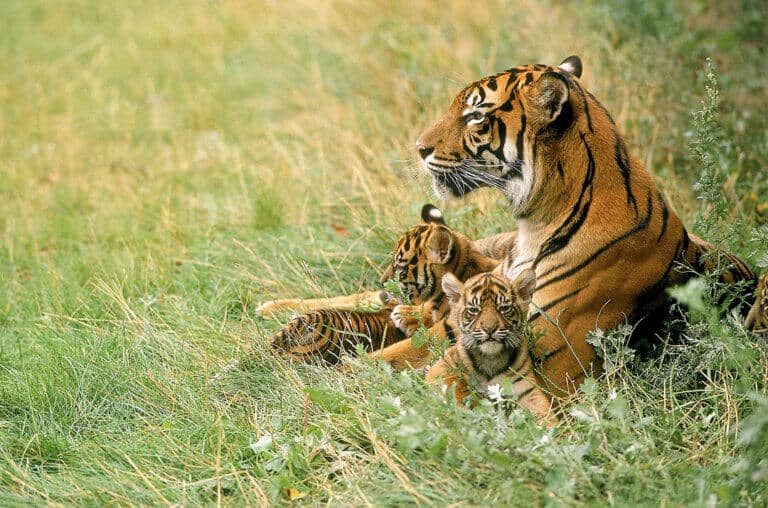
Wild cat conservation is a specialized area of wildlife conservation that focuses on protecting both large and small wild cat species around the world. From lions and tigers to smaller, lesser-known cats, these species face a range of challenges that affect their survival.
Understanding wild cat conservation means looking at three key areas: the conservation status of different species, the threats that are causing populations to decline, and the solutions being used to protect them.
These three areas are closely connected. The conservation status of a species reflects its current situation in the wild, while threats explain what is causing populations to decline. Conservation solutions are the actions taken to reduce these pressures and support recovery. Together, they provide a clear way to understand both the challenges wild cats face and the efforts being made to protect them.
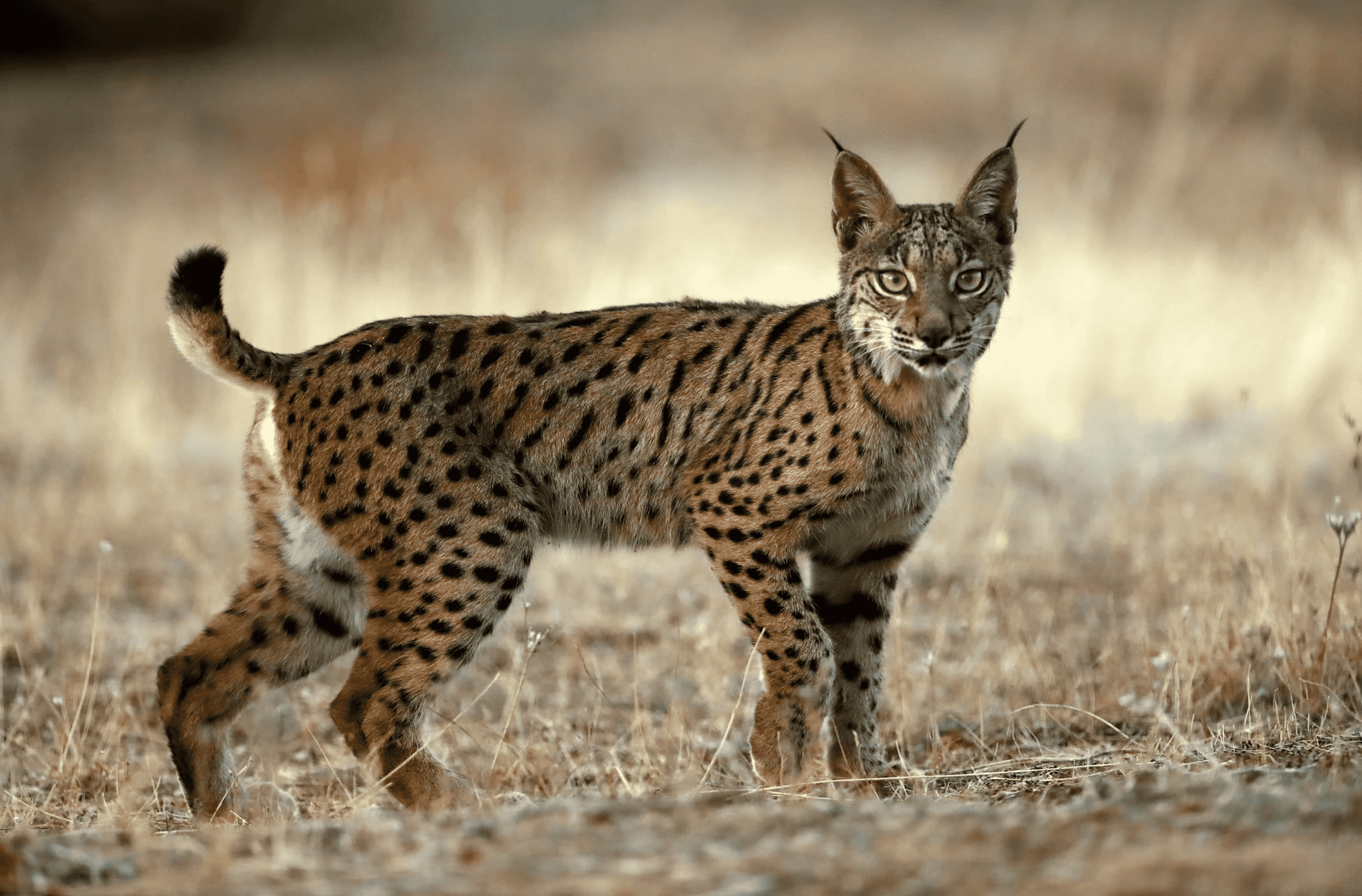
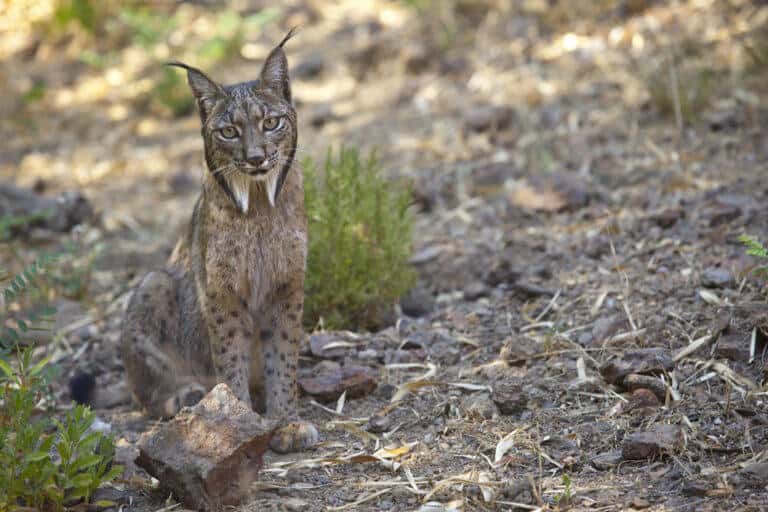
Image: The endangered Iberian lynx.
Wild cat populations are declining
Wild cat populations are changing around the world, and many species are now in decline. In some regions, populations have dropped significantly, while in others they have become smaller and more isolated. These changes are largely driven by human activity and reflect broader shifts in the natural environment.
As landscapes are altered or reduced, wild cats lose the space they need to hunt, reproduce, and survive. At the same time, direct pressures such as hunting and trade continue to impact populations. These challenges are often connected. When habitats are damaged, prey may decline, and when humans and wild cats come into closer contact, conflict can increase. Together, these pressures have created a situation where many wild cat species are now at risk.
Why protect wild cats
Protecting wild cats is important because they play a key role in maintaining healthy ecosystems. As predators, they help regulate prey populations and contribute to ecological balance. When wild cat populations decline or disappear, the effects can extend beyond a single species and disrupt entire ecosystems.
Wild cats are also part of global biodiversity and natural heritage. They have existed for millions of years and are closely connected to the environments they inhabit. Protecting them helps preserve these ecosystems and ensures that wild cat species continue to exist in the wild. Conservation efforts focus on reducing the pressures they face and supporting stable, sustainable populations over time.
Wild cat conservation threats
Wild cat conservation threats are the specific pressures that are driving population declines around the world. While these threats vary by region and species, most are connected to human activity and changes to natural ecosystems.
Some threats affect where wild cats live, while others directly impact their survival or reduce the availability of prey. In many cases, these pressures overlap and reinforce each other, making it more difficult for wild cat populations to recover.
Understanding these threats is an important step in protecting wild cats and developing effective conservation strategies.
Habitat loss
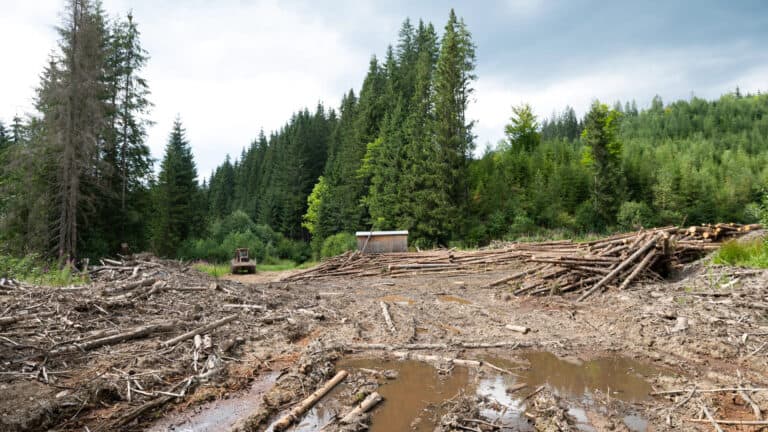
One of the main threats to wild cats is habitat destruction. A wild cat’s habitat is where it lives, takes shelter, hunts, drinks, reproduces, and raises its young.
Habitat loss can occur naturally, but many times, it is the result of increased land use by humans, such as:
- Residential and commercial development – the building of homes, industrial sites, retail centers, roads and parking lots.
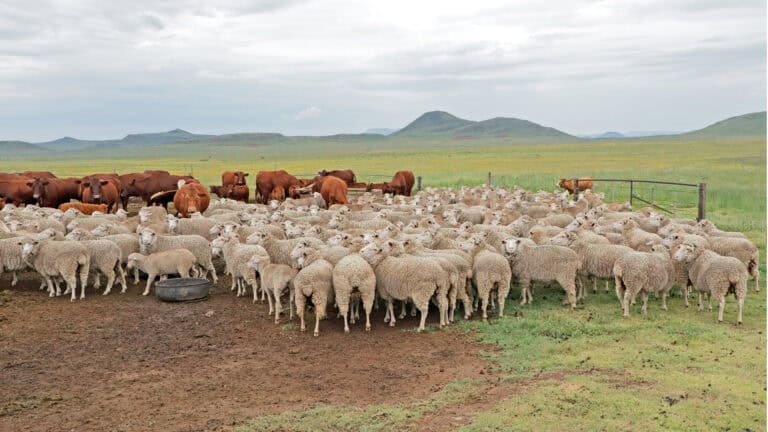
- Acquisition and utilization of land for farming and ranching (plowing fields and livestock grazing).
- The building of roads and railways.
- Logging and wood harvesting (cutting down trees).
- Dam construction and the re-direction or elimination of water sources.
- Wars and other conflicts.
- Pollution (fertilizers, pesticides, poisons, untreated sewage, the waste from mines, etc.) from all of the above.
Hunting & killing wildcats
In addition to habitat loss, many wild cats are also being hunted to extinction. There are four main types of hunting: trespassing on someone’s property to kill wild cats (poaching), killing wild cats for their fur and body parts (illegal trade), trophy hunting (killing wild cats for sport), and retaliation killing (human-animal conflict).
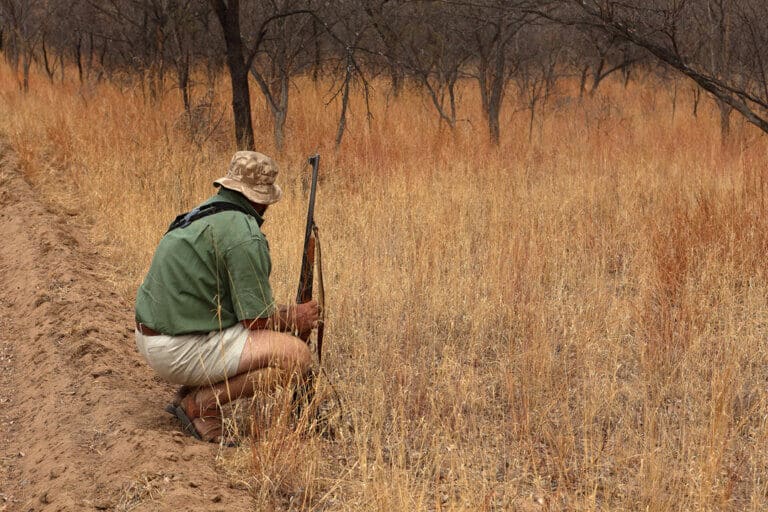
1. Poaching is the illegal act of trespassing on somebody else’s property to hunt without their permission, including hunting wild cats for illegal trade or trophy hunting.
2. Illegal wildlife trade is the unlawful commercial sale of products from wild animals, such as their skin or bones. The animals are either trapped or killed in their environment or raised on a farm of some kind (read about canned lion hunting) and then slaughtered. Wild cats are primarily killed for their fur. The body parts of some cats (like tigers) are also used in indigenous (the first people who inhabited an area) medicine.
Illegal wildlife trade is the “second-biggest direct threat to species habitat destruction…Particular problems are associated with illegal wildlife trade, usually driven by a demand for rare, protected species that must be smuggled and a desire to avoid paying duties. In the illegal wildlife trade, some species involved are highly endangered, conditions of transport for live animals are likely to be worse, and wildlife is more likely to have been obtained in an environmentally damaging way. The existence of illegal trade is also worrying because it undermines countries’ efforts to protect their natural resources.” The World Wildlife Federation
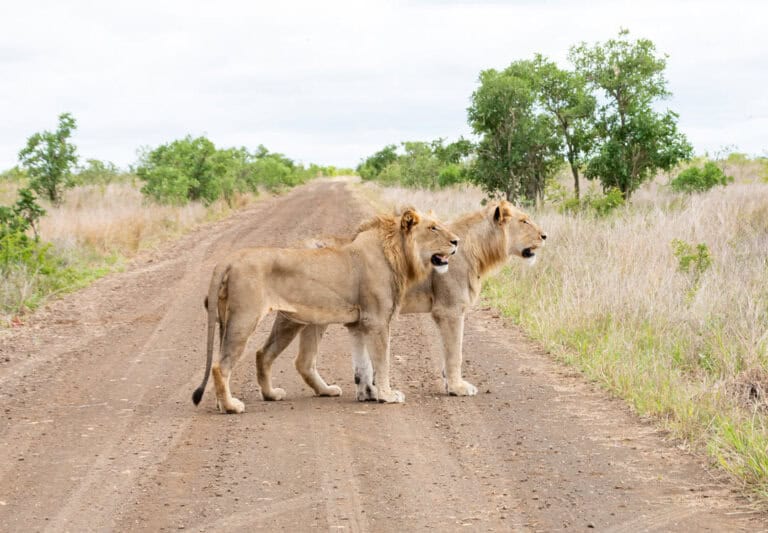
3. Trophy hunting is the licensed (legal) shooting of animals for pleasure. “Trophy” refers to the body or any body part of the animal the hunter keeps as a souvenir. Lions, along with other big cats like the tiger, cougar, and jaguar, have been hunted as trophies for hundreds of years. Today, lions are being raised on farms to be shot and killed by “hunters.”
“Each year, hundreds of thousands of wild animals around the world are killed for their heads, hides, pelts, and other body parts. Animal parts are hung on walls; their bodies are stuffed and posed for bragging rights. Cruel and unsportsmanlike practices like baiting, hounding, and trapping—also captive hunts, in which hunters pursue animals who can’t escape—ensure that animals don’t stand a chance and hunters bag an easy prize.” The Human Society of the United States
4. Human – animal conflict can occur when wild cats attack domestic livestock and other domesticated animals. In retaliation, livestock owners hunt and kill the cats, also known as retaliatory killings. Hundreds of wild cats are killed each year to protect livestock.
Loss of prey
Protecting wild cats also means protecting their prey. Wild cats are carnivores and need an abundance of prey to survive. Damaged ecosystems, disease, and invasive species can reduce prey populations, leading to starvation and death.
Pet trade
The illegal (exotic) pet trade refers to breeding or capturing wild animals to sell as pets. Many of these “pets” are young animals that die during capture and transportation. Their mothers are also killed to make the capture easier. Most owners know very little about their wild pets’ health care and other needs, especially as the animal gets older. This can create a hazardous situation for the animal and its owner.
“Every year, people succumb to the temptation to purchase “exotic” animals like hedgehogs, macaws, lizards, and monkeys—even tigers and bears—from stores, auctions, or the Internet to keep them as “pets.” But often, life in captivity rapidly leads to pain and death for these animals, who can easily suffer from malnutrition, an unnatural and uncomfortable environment, loneliness, and the overwhelming stress of confinement. The exotic animal trade is also deadly for animals we don’t see: For every animal who makes it to the store or the auction, countless others die along the way.” PETA – People for the Ethical Treatment of Animals
Other conservation issues
Other important issues that have an impact on wild cat conservation:
- Insufficient legislation
- Ineffecitve laws
- Legislation and laws not followed
- Insufficient education and training of wildlife law enforcers
- Limited resources for law enforcers
- Bribary, document fraud and other corrupt activities
- Insufficient coordination between agencies
- Inadequate cooperation between countries
Wild cats face a range of serious threats that are closely connected and often driven by human activity. Understanding these threats is the first step toward protecting these species and the ecosystems they depend on. Conservation efforts around the world are focused on reducing these pressures, restoring habitats, and supporting stable wild cat populations. By recognizing what is putting wild cats at risk, it becomes possible to find solutions that will aid their survival.
Annual Wild Cat Conservation Update (2026)
Wild cat conservation continues to evolve as new research, field data, and environmental pressures shape how species are protected. Here are several notable developments from the past year.
Habitat connectivity remains a key focus. Recent conservation work has emphasized the importance of connected habitats rather than isolated protected areas. Maintaining wildlife corridors allows wild cats to move between regions, access prey, and maintain genetic diversity over time. Source: U.S. Fish and Wildlife Service – https://www.fws.gov
Monitoring technology is improving population data. Camera traps and GPS tracking are providing more accurate information on wild cat movement and population trends, helping researchers make better conservation decisions. Source: Smithsonian National Zoo & Conservation Biology Institute – https://nationalzoo.si.edu/center-for-conservation-genomics
Human-wildlife conflict is increasing in some regions. As human development expands into wild habitats, conflict between people and predators continues to grow, especially in parts of Africa and Asia where land use is changing rapidly. Source: BBC News – https://www.bbc.com/
Climate and land-use change continue to impact ecosystems. Long-term environmental changes are affecting habitats and prey availability, which in turn influences where wild cats can survive and how ecosystems function. Source: National Geographic – https://www.nationalgeographic.com/animals



Why cant all of the people Just leave all of the big cats alone.
Its awesome!
This needs to STOP! What can we do to help?