
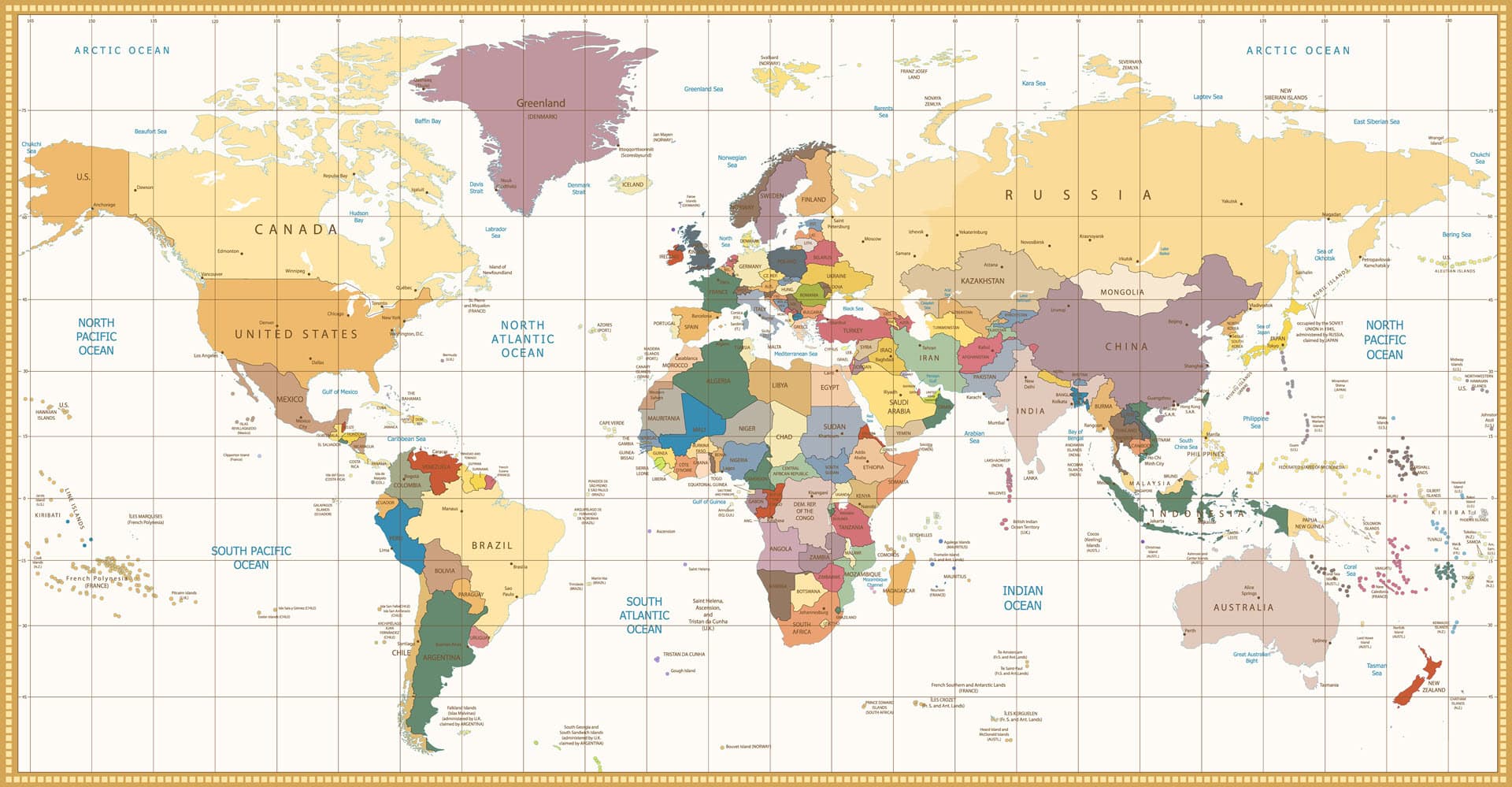
Wild cats are members of the Felidae family, a group of highly adaptable predators that have spread across much of the Earth over millions of years. Where do wild cats live? You can find them in a wide range of environments, from dense tropical forests and open grasslands to rugged mountains and arid deserts all around the world.
Wild cats inhabit Africa, Asia, Europe, North America, and South America, with each region supporting different species adapted to local conditions.
The only continents without native wild cats are Australia and Antarctica.
How Wild Cats Spread Across the Globe
All modern wild cats share a common ancestor that lived millions of years ago. As Earth’s climate changed, forests began to shrink and grasslands expanded. These environmental shifts created new habitats and new opportunities for predators.
Early wild cats began moving into new areas, following prey and expanding their range. They crossed natural land connections like the Bering Land Bridge, which linked Asia and North America, and the Isthmus of Panama, which connected North and South America.
Over time, these migrations led to the global distribution of wild cats. Some groups spread into Africa and Asia, where many species still live today. Others moved into Europe and North America. Later migrations reached South America, where new species evolved in isolation.
As land bridges disappeared and populations became separated, wild cats adapted to their environments and evolved into the different species we see today.
Wild Cats by Region
Wild cats are not evenly distributed around the world. Instead, they are concentrated in regions where habitat and prey are still available.
Africa
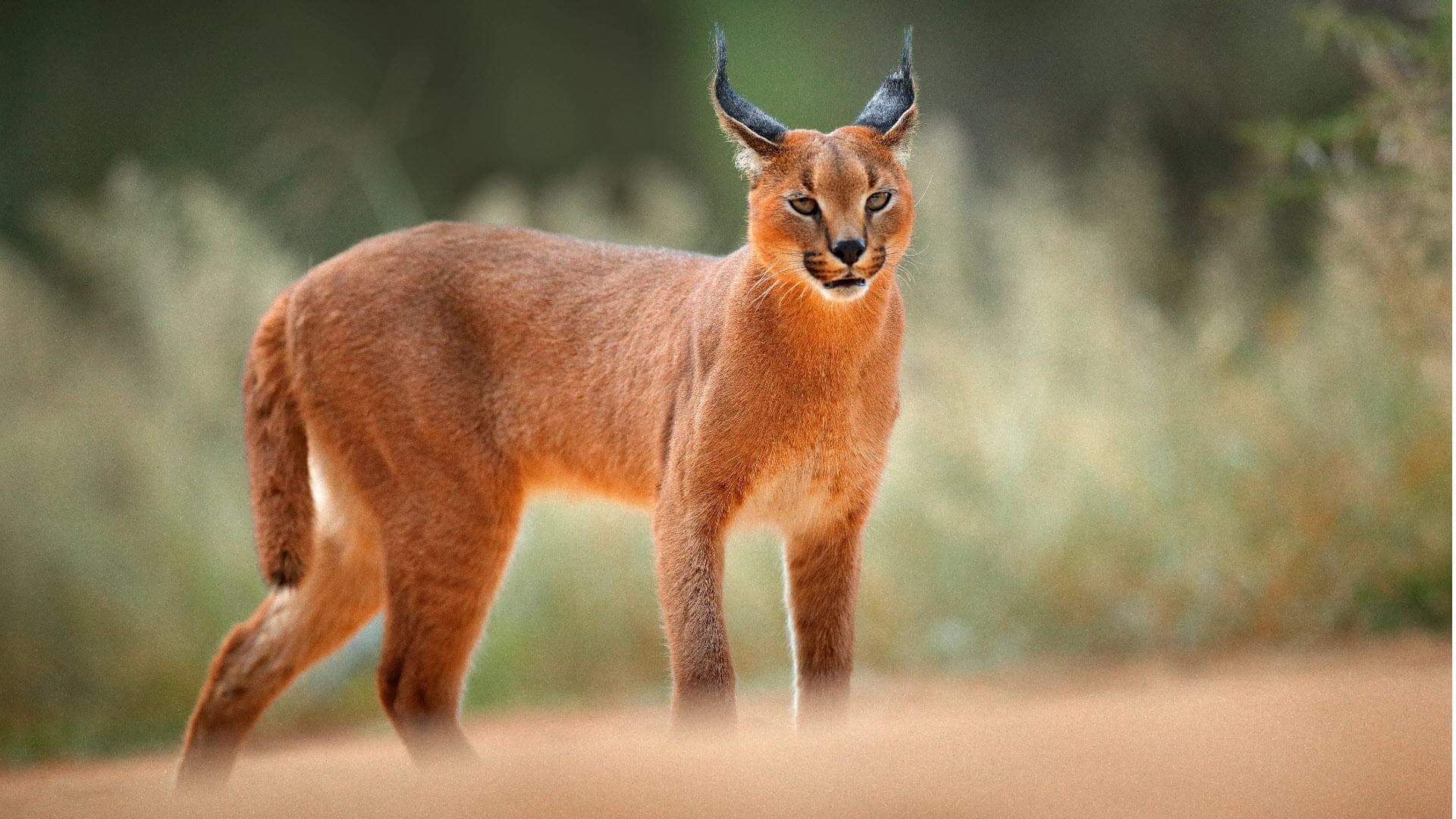
Africa is home to some of the most well-known wild cats, including lions, leopards, and cheetahs, along with smaller species like the serval, caracal, and African golden cat. These cats live in savannas, forests, and deserts across many countries.
Asia
Asia has the greatest diversity of wild cat species. It is home to tigers, snow leopards, clouded leopards, and a wide range of smaller forest cats. Many Asian species are adapted to dense forests, mountainous terrain, or remote landscapes.
Europe
Wild cats in Europe are fewer in number and often live in fragmented habitats. The European wildcat is the most widespread species, typically found in forested regions.
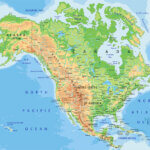
North America
North America is home to species such as the bobcat, Canada lynx, and cougar. These cats are highly adaptable and can live in forests, mountains, deserts, and even areas close to human development.
South America
South America supports a wide variety of wild cats, especially smaller species like the ocelot, margay, and pampas cat. The jaguar, the largest cat in the region, lives in rainforests, wetlands, and grasslands.
Wild Cats by Country
While wild cats are often grouped by region, their actual distribution is more specific. Each species is found in particular countries based on habitat, climate, and prey availability.
Some countries support multiple wild cat species, while others may have only one or two. In many cases, populations are limited to certain areas within a country rather than spread across the entire region.
This section of the site allows you to explore wild cats by country, helping you see exactly where different species are found around the world.
Habitats: Where Wild Cats Live Within Each Country
Wild cats are highly adaptable, but each species is suited to specific types of environments. Depending on the species, wild cats may live in tropical rainforests, grasslands and savannas, mountain ranges, deserts, dry scrublands, wetlands, and river systems.
Some species, like cougars and bobcats, can adapt to a wide range of habitats. Others, like snow leopards or clouded leopards, depend on more specialized environments.
Why Wild Cat Ranges Are Changing
Although wild cats still live across multiple continents, their ranges are shrinking.
Most species have experienced significant declines due to habitat loss from deforestation and development, reduced prey populations, human-wildlife conflict, poaching, and illegal wildlife trade.
As a result, many wild cat populations are now fragmented, meaning they are separated into smaller, isolated groups rather than continuous ranges.
A Changing Global Distribution
Wild cats remain one of the most adaptable groups of predators on Earth, but their global distribution today is very different from what it was in the past.
Understanding where wild cats live, and how their ranges have changed, is an important step in protecting them.
Use this page to explore wild cats by country and region, and learn more about where each species is found today.
| Region | Approximate Number of Species | Examples | Notes |
|---|---|---|---|
| Africa | About 10 | Lion, leopard, cheetah, serval, caracal, African golden cat | Africa has a mix of large and small wild cats across savannas, forests, and deserts. |
| Europe | 3 | Eurasian lynx, Iberian lynx, European wildcat | Europe has relatively few native wild cat species compared with other regions. |
| Middle East / Western Asia | About 9 | Caracal, leopard, jungle cat, sand cat, Pallas’s cat | This region overlaps ecologically with Europe and Asia, so totals are approximate. |
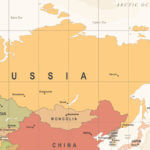
| Russia | About 5 | Amur tiger, Amur leopard, Eurasian lynx, Pallas’s cat, leopard cat | Russia has a distinctive northern wild cat fauna. |
| China | About 12 | Chinese mountain cat, snow leopard, leopard cat, tiger, clouded leopard | China is one of the most important countries for wild cat diversity. |
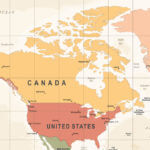
| North America | 3 | Bobcat, Canada lynx, cougar | This count assumes North America = United States and Canada. |
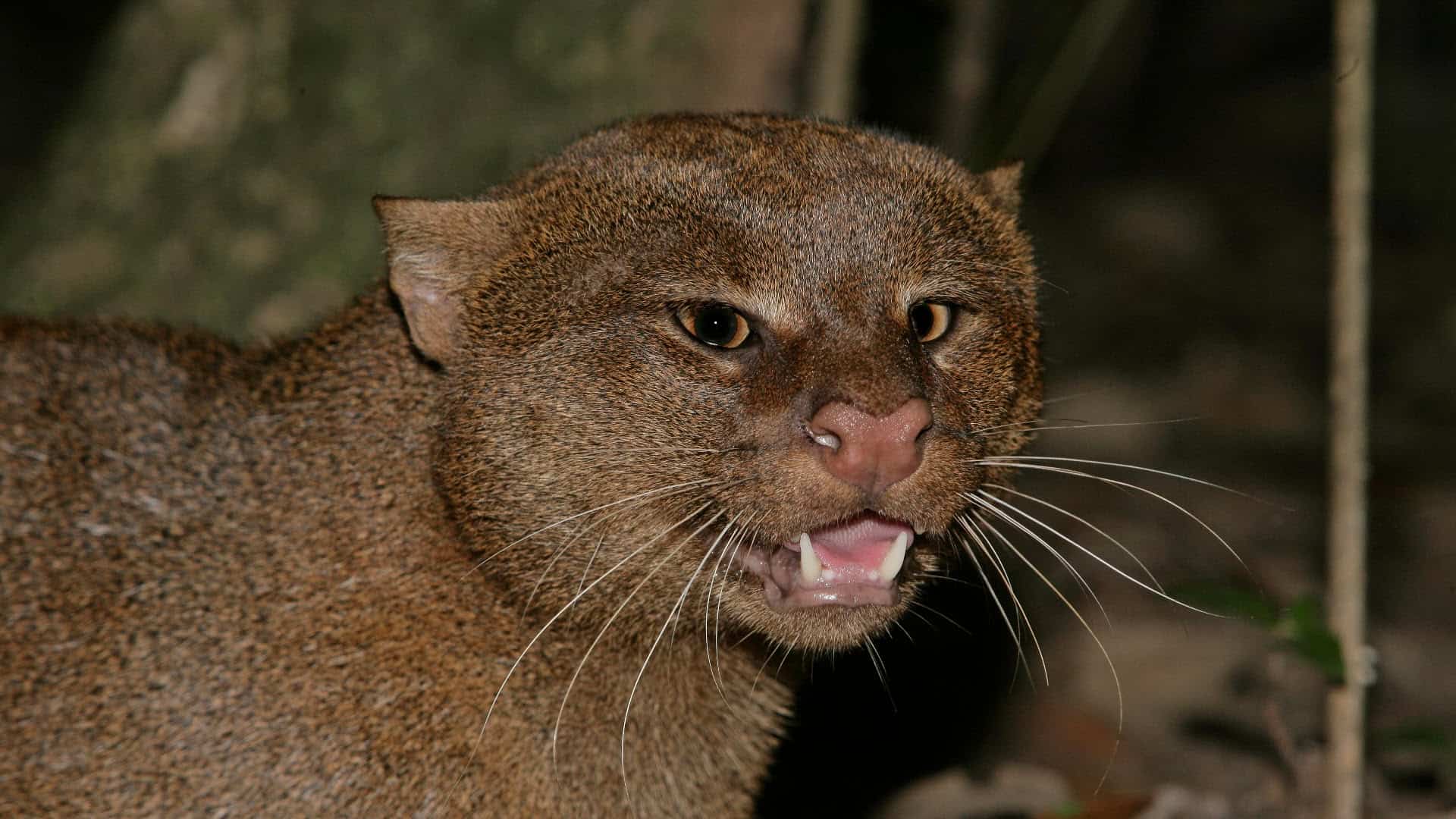
| Central America | About 6 | Jaguar, puma, ocelot, margay, jaguarundi, oncilla | A key bridge region connecting North and South American species. |
| South America | About 11 | Jaguar, ocelot, margay, pampas cat, kodkod, Andean cat | High diversity of mostly smaller wild cats plus the jaguar. |
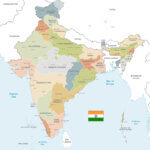
| South & Southeast Asia | About 14–16 | Tiger, fishing cat, leopard cat, marbled cat, clouded leopard | One of the richest wild cat regions in the world. |
Note: Species counts are approximate because many wild cats occur across multiple regions, and totals vary depending on how geographic boundaries are defined.





0 Comments