
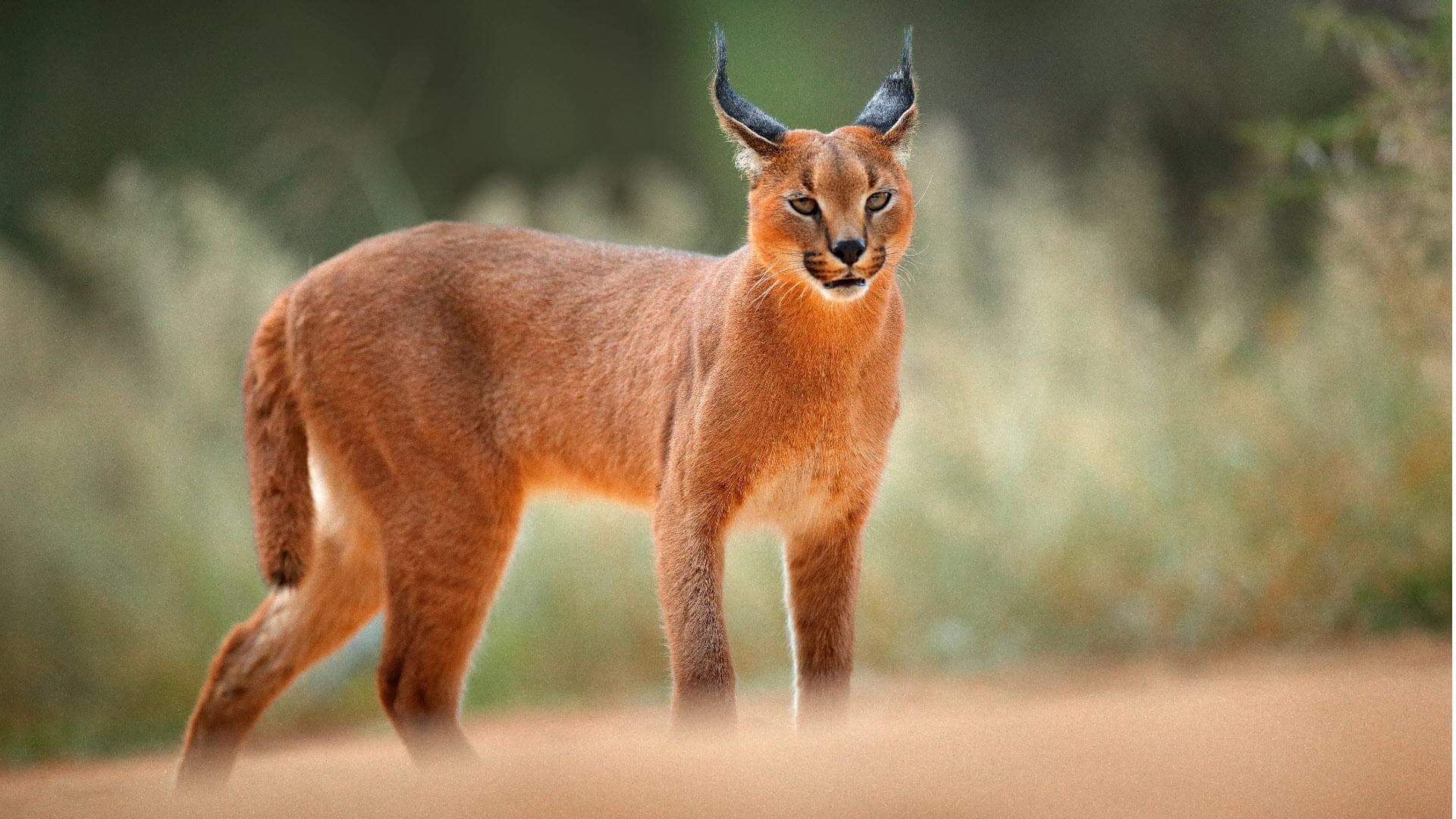
Image: Caracal, a medium-sized wild cat.
Wild cats are often grouped into the largest predators—like lions and tigers—or the smallest and most elusive species. But there is a wide range of cats in between, and they are amazing felines with unique skills and abilities. It’s not a scientific classification, just a way of understanding how different cats live and hunt.
Medium-sized wild cats are some of the most adaptable and specialized hunters in the cat family. They may not have the size of the largest cats, but they are highly effective in their environments.
List of Medium-sized Wild Cats
Medium-sized wild cats sit between the largest big cats and the smallest wild cat species. They include a diverse group of predators found in forests, grasslands, mountains, and wetlands around the world. Although they are often less well known, these cats play an important role in the ecosystems they live in.
Here is a list of the medium-sized wild cats, including their common name, scientific name, and size.
| Species | Scientific Name | Weight | Body Length | Shoulder Height |
|---|---|---|---|---|
| Eurasian Lynx | Lynx lynx | 40–66 lb (18–30 kg) | 31–51 in (80–130 cm) | 24–30 in (60–75 cm) |
| Sunda Clouded Leopard | Neofelis diardi | 26–55 lb (12–25 kg) | 28–43 in (70–109 cm) | 20–24 in (50–61 cm) |
| Clouded Leopard | Neofelis nebulosa | 24–50 lb (11–23 kg) | 27–43 in (69–108 cm) | 20–22 in (50–56 cm) |
| Serval | Leptailurus serval | 20–40 lb (9–18 kg) | 23–39 in (59–100 cm) | 21–24 in (54–62 cm) |
| Caracal | Caracal caracal | 18–40 lb (8–18 kg) | 24–42 in (60–107 cm) | 16–20 in (40–50 cm) |
| Ocelot | Leopardus pardalis | 18–40 lb (8–18 kg) | 22–39 in (55–100 cm) | 16–20 in (40–50 cm) |
| Canada Lynx | Lynx canadensis | 11–37 lb (5–17 kg) | 30–43 in (76–110 cm) | 19–22 in (48–56 cm) |
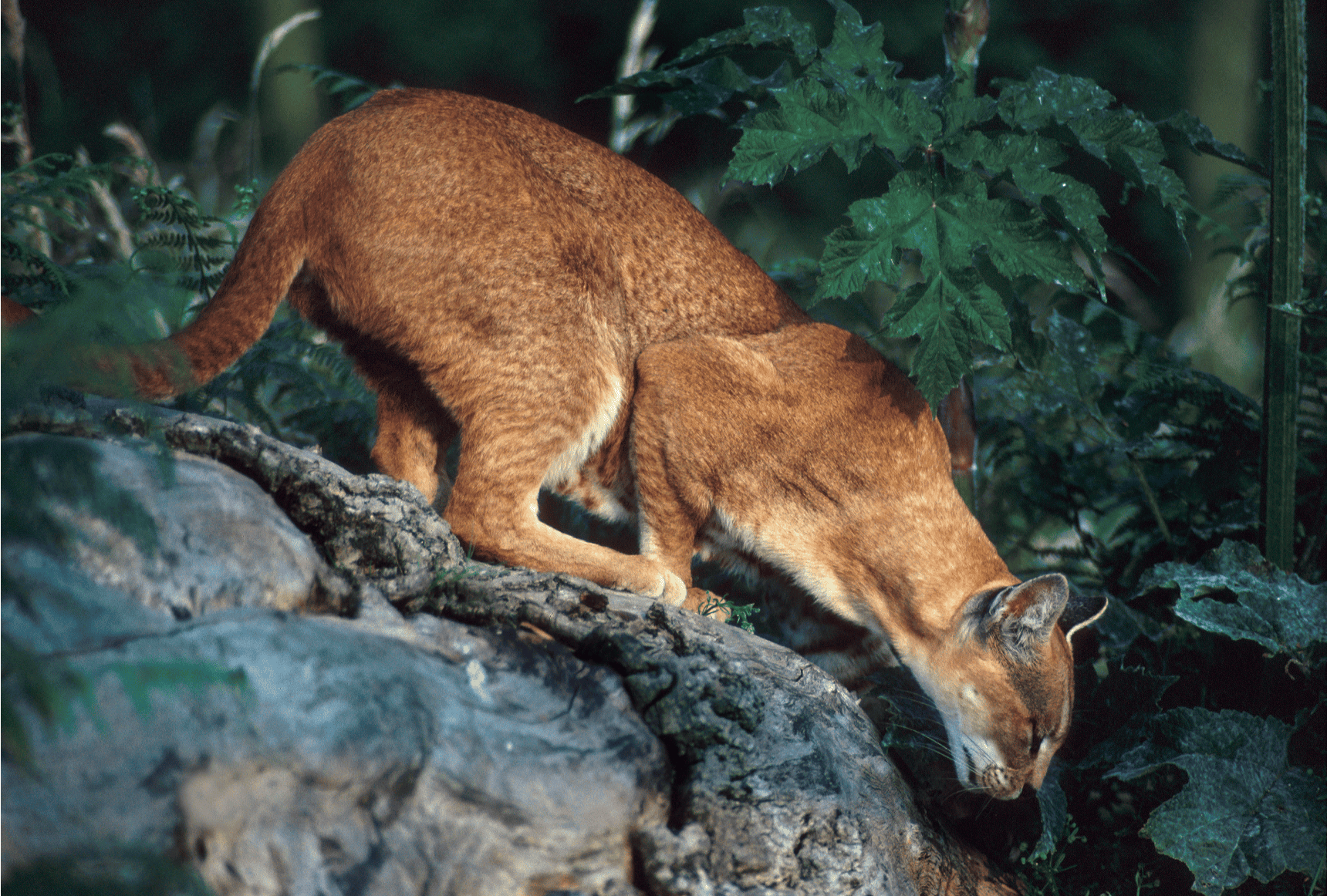
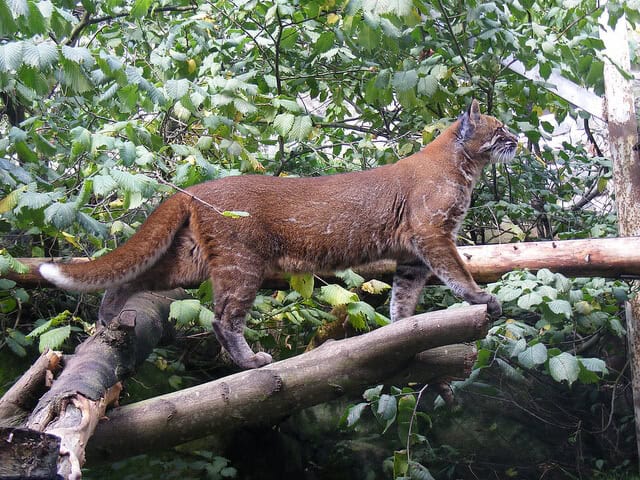
| Asian Golden Cat | Catopuma temminckii | 20–35 lb (9–16 kg) | 26–41 in (66–105 cm) | 20–22 in (50–56 cm) |
| Fishing Cat | Prionailurus viverrinus | 13–35 lb (6–16 kg) | 22–34 in (57–86 cm) | 14–16 in (35–41 cm) |
| African Golden Cat | Caracal aurata | 11–35 lb (5–16 kg) | 24–40 in (61–101 cm) | 16–22 in (40–56 cm) |
| Jungle Cat | Felis chaus | 9–35 lb (4–16 kg) | 20–37 in (50–94 cm) | 14–18 in (36–46 cm) |
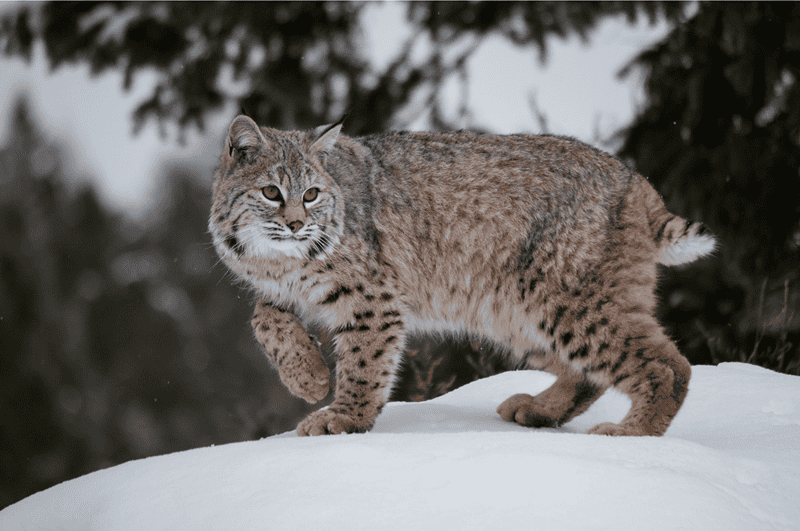
| Bobcat | Lynx rufus | 15–35 lb (7–16 kg) | 26–41 in (65–105 cm) | 18–24 in (46–61 cm) |
| Iberian Lynx | Lynx pardinus | 20–33 lb (9–15 kg) | 28–43 in (72–110 cm) | 18–24 in (45–60 cm) |
| Jaguarundi | Herpailurus yagouaroundi | 8–20 lb (3.5–9 kg) | 21–30 in (53–77 cm) | 10–14 in (25–36 cm) |
Note: Sizes are approximate adult ranges. Weight and body size can vary by sex, region, and source.
Where do medium-sized wild cats live?
Medium-sized wild cats are found across multiple continents, often in regions where habitat variety allows them to adapt and specialize.
Africa
In Africa, medium-sized wild cats are found in both dense forests and open landscapes.
- The African golden cat lives in the rainforests of Central and West Africa
- The serval is common in grasslands and wetlands
- The caracal ranges across dry savannas and semi-desert regions
These species are adapted to very different environments, from thick jungle cover to wide open terrain.
Asia
Asia has one of the widest ranges of medium-sized wild cats, especially in South and Southeast Asia.
- The Asian golden cat lives in forests, mountains, and grasslands
- The clouded leopard and Sunda clouded leopard are forest specialists
- The fishing cat is closely tied to wetlands and river systems
- The jungle cat is often found near water and grassland edges
Many of these species depend on forested or water-rich environments, making them sensitive to habitat loss.
North America
- The bobcat is one of the most adaptable wild cats, found across forests, deserts, and even suburban areas
- The Canada lynx lives in northern forests and is closely tied to cold, snow-covered regions
These species show how medium-sized cats can survive in both harsh climates and human-altered landscapes.
Central and South America
- The ocelot lives in dense forests and brushlands
- The jaguarundi is found in a range of habitats, including forests, scrublands, and open areas
Many species in this region prefer thick vegetation, where they rely on cover to hunt.
Europe and Western Asia
- The Eurasian lynx is found across forests and mountainous regions
- The Iberian lynx is limited to parts of Spain and Portugal
These species tend to occupy cooler, forested environments, though their ranges have been reduced over time.
Habitats
Across all regions, medium-sized wild cats are most often found in:
- Forests and woodlands
- Grasslands and savannas
- Wetlands and river systems
- Mountain regions
What ties them together is not a single habitat, but their ability to adapt to specific ecological niches within these environments.
Important habitat factors
Where these cats live is directly connected to:
- available prey
- vegetation cover
- human pressure
- climate
Because many medium-sized wild cats rely on specific habitats, changes to those environments—especially deforestation and wetland loss—can have a direct impact on their survival.
More about medium-sized wild cats
Here is an overview of each of the medium-sized wild cats.
African Golden Cat
The African golden cat lives in the dense rainforests of Central and West Africa. It is a secretive predator that hunts in thick vegetation, relying on stealth and short bursts of power to catch prey.
Interesting Fact: This cat is rarely seen in the wild and was only photographed in its natural habitat relatively recently.
Asiatic Golden Cat
Found across South and Southeast Asia, the Asian golden cat lives in forests, mountains, and grasslands. It is highly adaptable and hunts a wide range of prey.
Interesting Fact: Asian golden cats can appear in multiple color forms, including red, gray, and even spotted patterns.
Bobcat
The bobcat is a widespread North American species found in forests, deserts, and suburban areas. It is an adaptable hunter that uses ambush tactics to catch rabbits, birds, and rodents.
Interesting Fact: Bobcats can leap up to 10 feet in a single bound when attacking prey.
Caracal
The caracal lives in Africa, the Middle East, and parts of Asia, often in dry or open environments. It is known for its speed and precision when hunting birds.
Interesting Fact: A caracal can leap into the air and knock multiple birds down in a single jump.
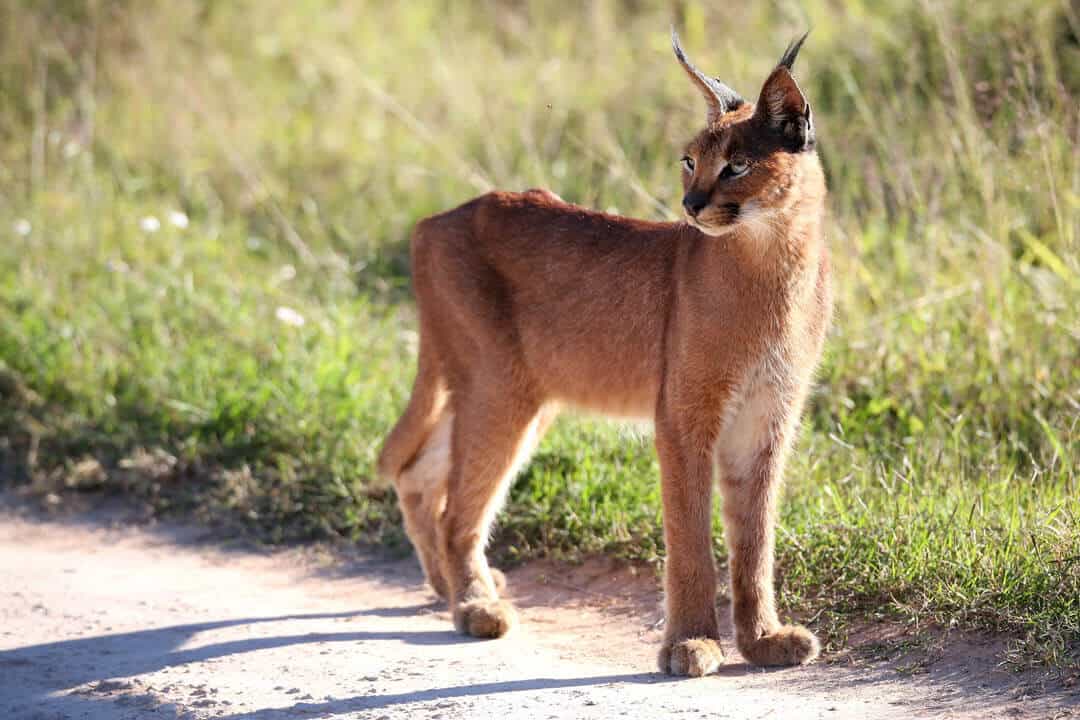
Clouded Leopard
The clouded leopard lives in the forests of South and Southeast Asia and is one of the best climbers among wild cats. It spends much of its time in trees.
Interesting Fact: Clouded leopards have some of the longest canine teeth relative to skull size of any cat.
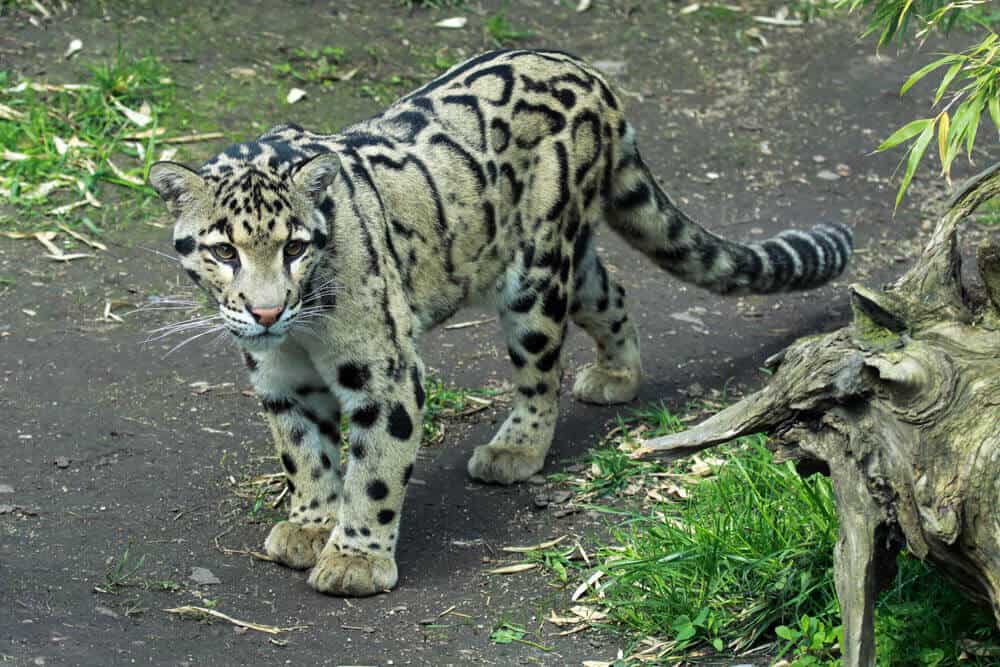
Sunda Clouded Leopard
Found on Borneo and Sumatra, the Sunda clouded leopard is closely related to the clouded leopard but adapted to island environments.
Interesting Fact: This species was only identified as separate from the clouded leopard in the early 2000s.
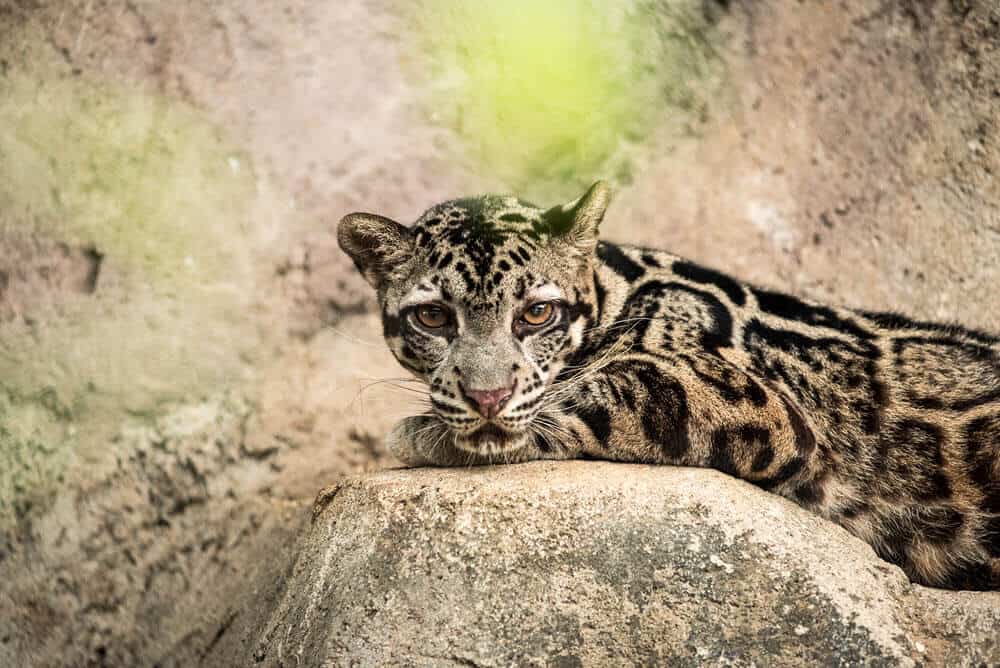
Fishing Cat
The fishing cat lives in wetlands and river systems across South and Southeast Asia. Unlike most cats, it is strongly associated with water.
Interesting Fact: Fishing cats have partially webbed feet, which help them swim and catch fish.
“The fishing cat is strongly associated with wetlands and is dependent on healthy aquatic ecosystems.” – IUCN
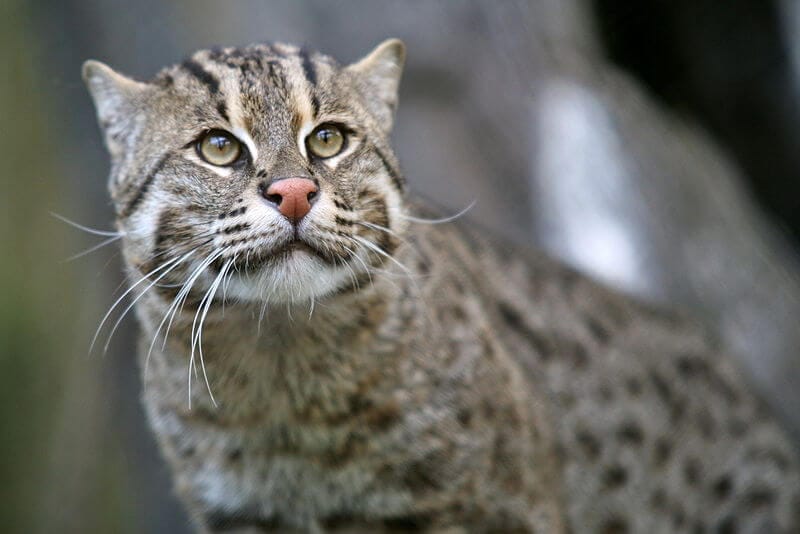
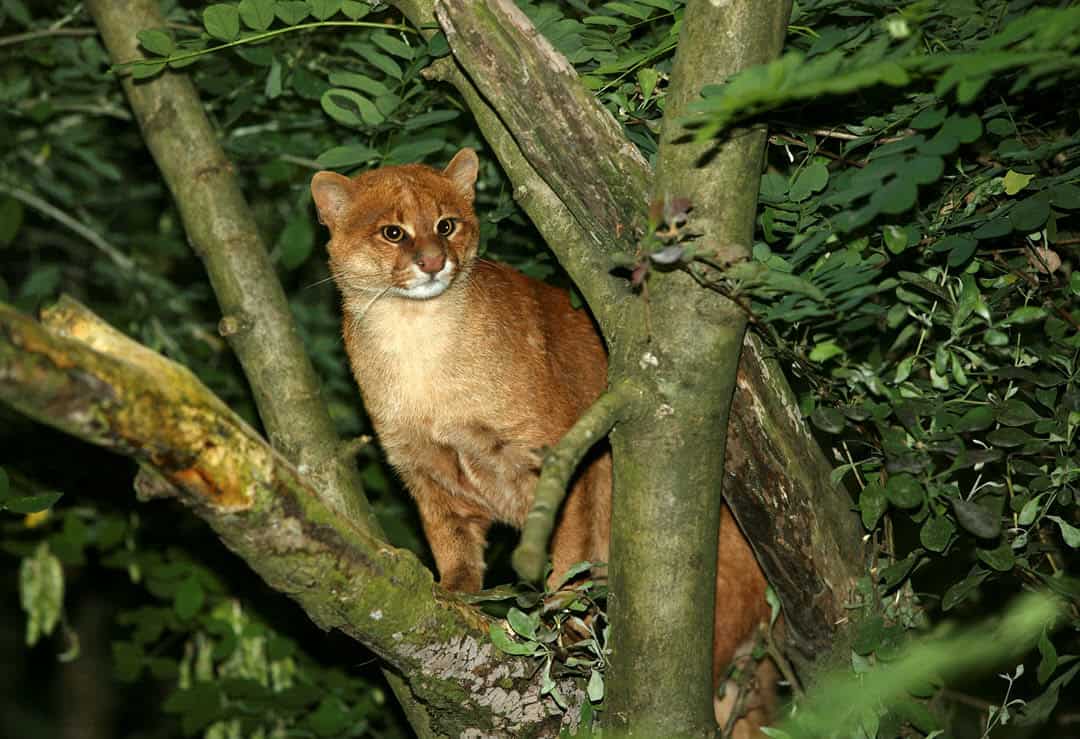
Jaguarundi
The jaguarundi lives in Central and South America and has a long, low body that allows it to move easily through dense vegetation.
Interesting Fact: Unlike most wild cats, jaguarundis are often active during the day.
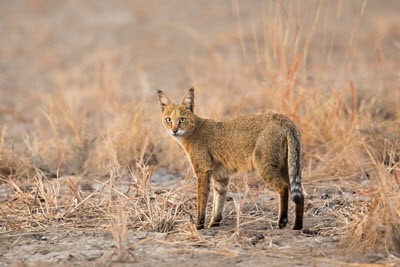
Jungle Cat
The jungle cat is found across the Middle East and Asia, often near wetlands and grasslands. It is a strong, long-legged hunter.
Interesting Fact: Jungle cats are known for making high vertical leaps to catch birds.
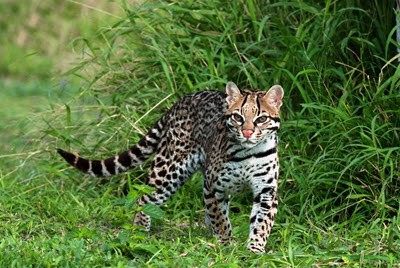
Ocelot
The ocelot is found in Central and South America and prefers dense forests and brush. It is a nocturnal hunter with a distinctive spotted coat.
Interesting Fact: Ocelots were once heavily hunted for their fur, leading to major population declines.
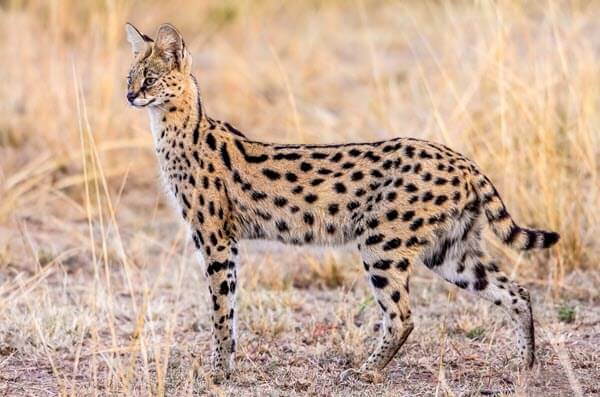
Serval
The serval lives in African grasslands and wetlands and is built for hunting in tall grass. Its long legs and large ears help it locate prey.
Interesting Fact: Servals have one of the highest hunting success rates of any wild cat.
The Lynx: Where Do They Fit?
The lynx species sit at the upper edge of the medium-sized category. Some, like the Eurasian lynx, are large enough that they are sometimes grouped closer to big cats, while others are clearly mid-sized.
On this site, lynx are included here to show the full range of cats between the largest and smallest species.
Canada Lynx
The Canada lynx lives in northern forests and is closely tied to snow-covered environments. It is highly specialized for hunting snowshoe hares.
Interesting Fact: Its large paws act like snowshoes, allowing it to walk on deep snow more easily than its prey.
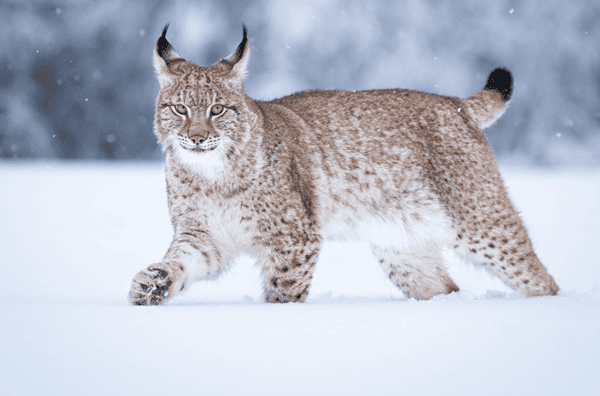
Eurasian Lynx
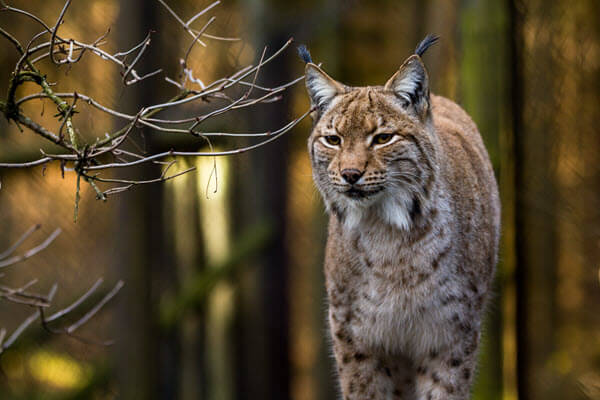
The Eurasian lynx is the largest lynx species and is found across Europe and Asia. It can hunt relatively large prey, including deer.
Interesting Fact: Eurasian lynx are powerful enough to take down prey several times their own size.
“The Iberian lynx is one of the most endangered felids in the world.” – IUCN
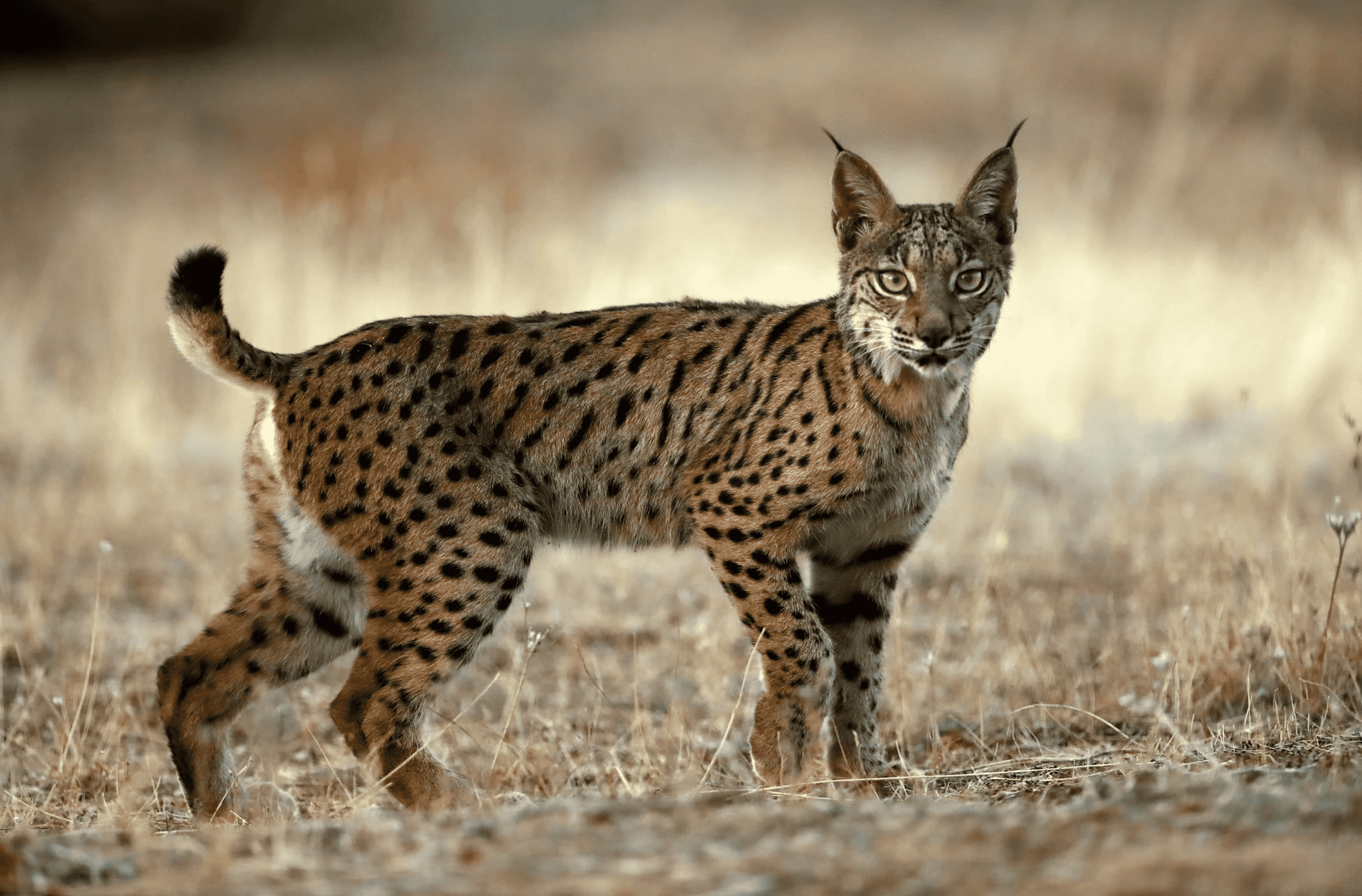
Iberian Lynx
The Iberian lynx lives in Spain and Portugal and is one of the most endangered cats in the world. It depends heavily on rabbit populations.
Interesting Fact: Conservation efforts have helped bring the Iberian lynx back from the brink of extinction.
Medium-sized wild cats often live in the shadow of the big cats, but they are just as fascinating in their own way. Whether it’s climbing, swimming, or moving silently through dense cover, each species has developed unique skills to survive in its environment. Once you start looking at them more closely, it’s hard not to become a fan of these highly adaptable and often overlooked wild cats.
0 Comments