
Animals, plants, and other organisms exist in physical environments called ecosystems. Each part of an ecosystem directly or indirectly depends on all the other parts for survival.
Ecosystems can vary in size from small to large. Examples of small ecosystems include a tidepool, pond, or tree trunk, while larger ecosystems can include a swamp, desert, or grassland.
When an ecosystem is disrupted, it can have serious consequences for the organisms that live there.
Habitat loss, a reduction in the amount of living space through destruction, fragmentation, or degradation, is a major threat to the balance of an ecosystem.
Reasons for habitat loss
Habitat loss can be a consequence of human activities such as:
- Industrialization and urbanization (growth of industries and cities)
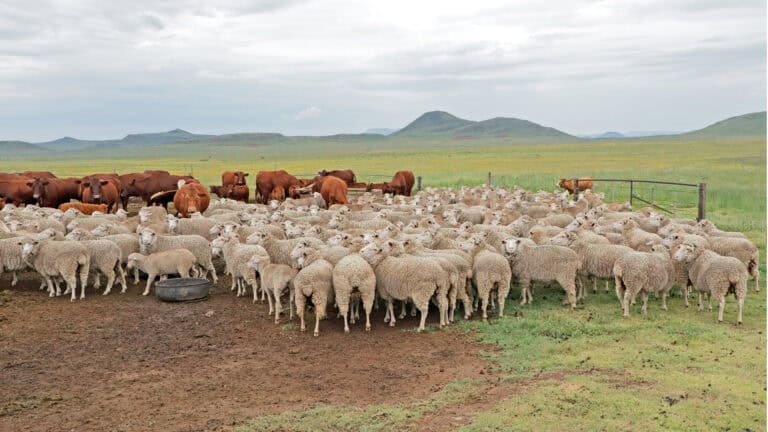
- Agriculture (farming and ranching)
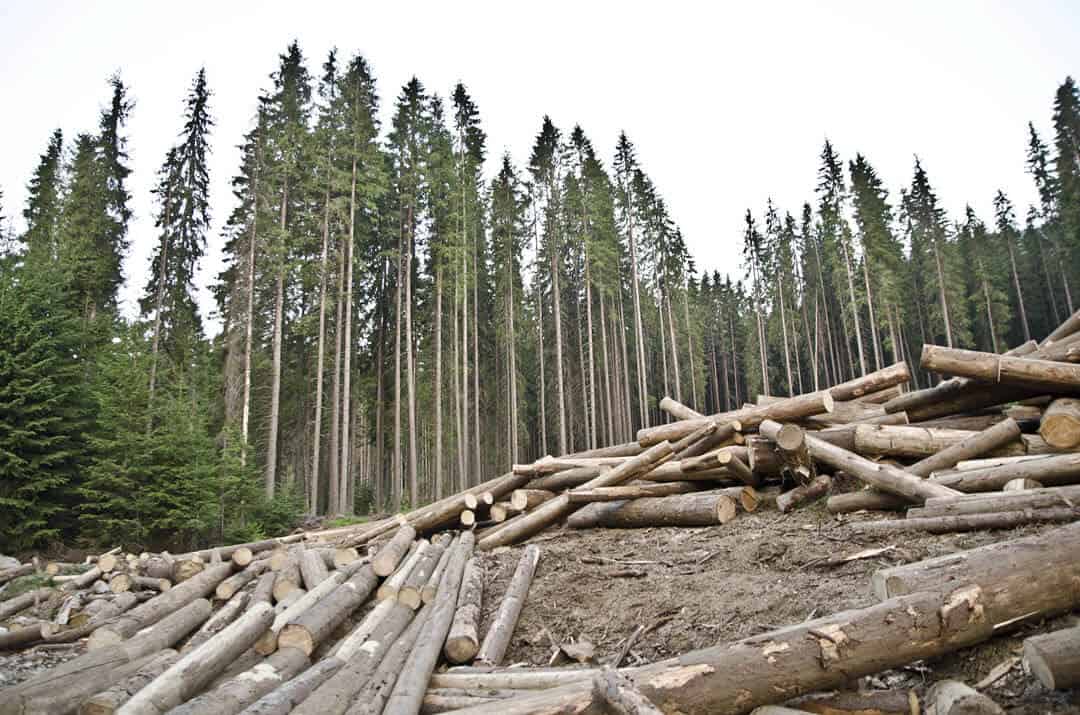
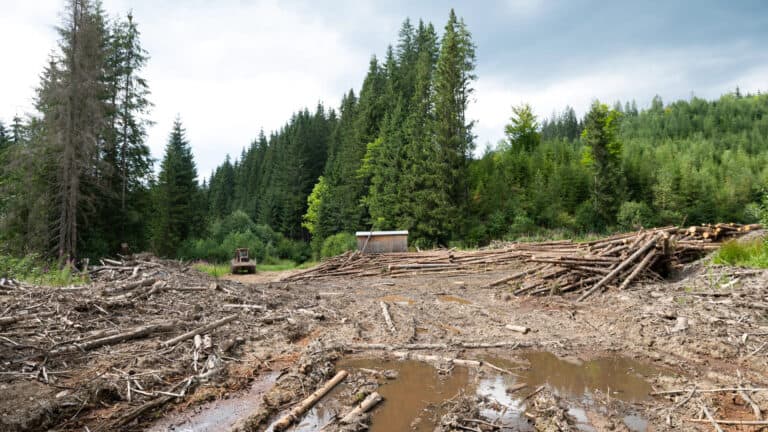
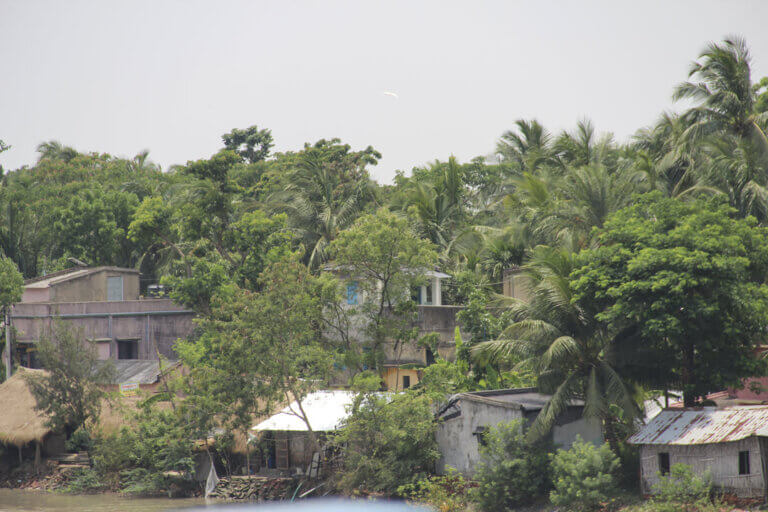
- Deforestation (the removal and destruction of a forest or trees from land that is then converted to non-forest use)
- Resource extraction (the withdrawing of materials from the environment for human use, including oil, gas, coal, rocks, minerals, water, fish and wildlife)
- Pollution
Habitat loss can also occur due to environmental changes such as:
- Changes in the Earth’s orbit around the sun and the tilt and wobble of the Earth’s axis
- Changes in the amount of energy the planet receives from the sun
- Volcanic activity
- Shifts in ocean currents
- Changes in temperature
- Tectonic shifts (movement of the plates that make up the Earth’s crust)
- Drought (a period of drier than normal conditions that can last years)
Natural occurrences and human activity have altered the land on this planet for thousands of years. But in the past few hundred years, population growth, industrialization, urbanization and other human factors have devastated wildlife habitat, leading to the extinction of hundreds of species.
How habitat loss affects wild cats
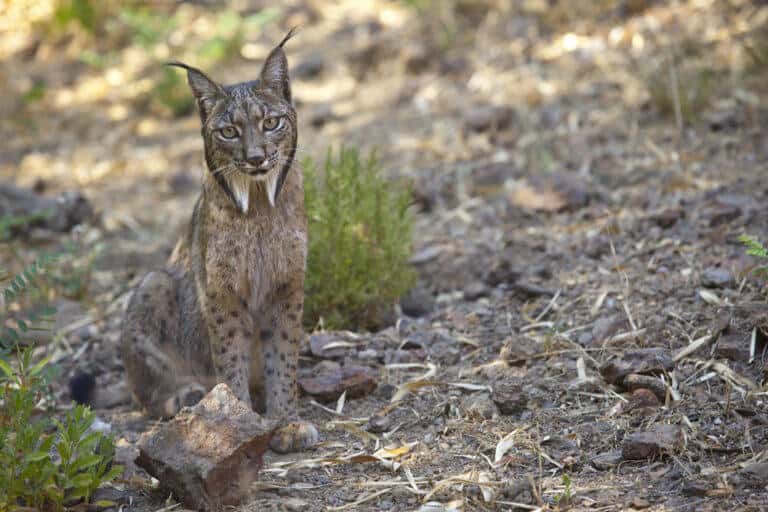
Wild cats need the right environment to thrive. Here’s how habitat loss hurts them:
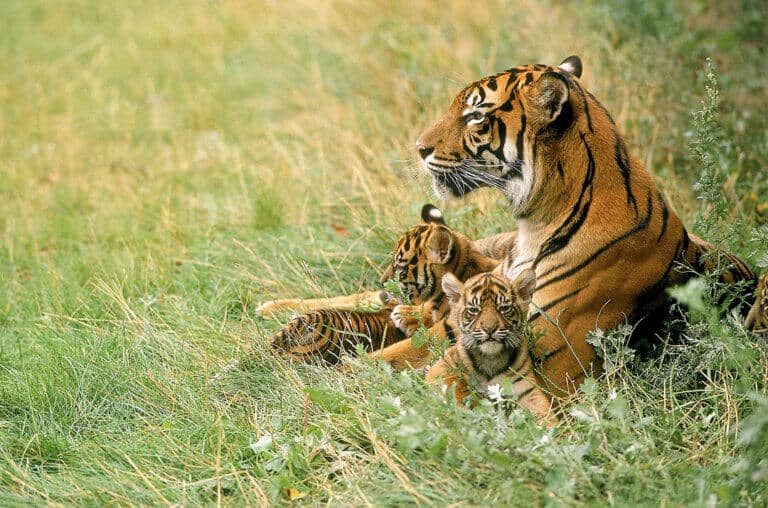
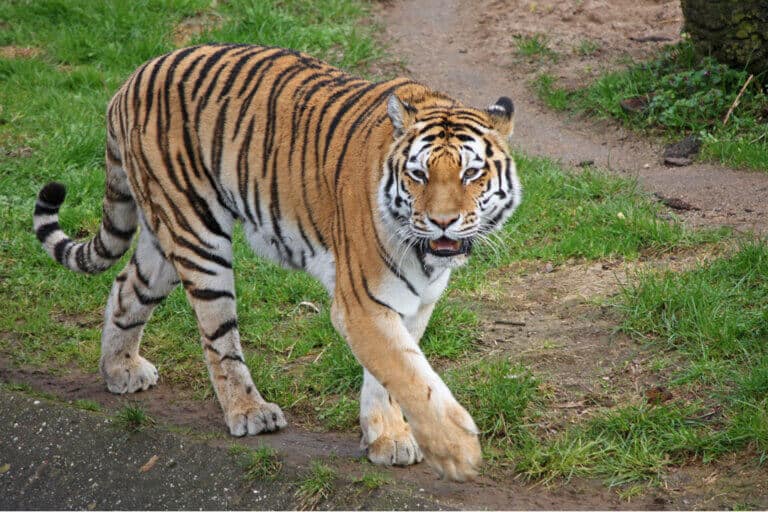
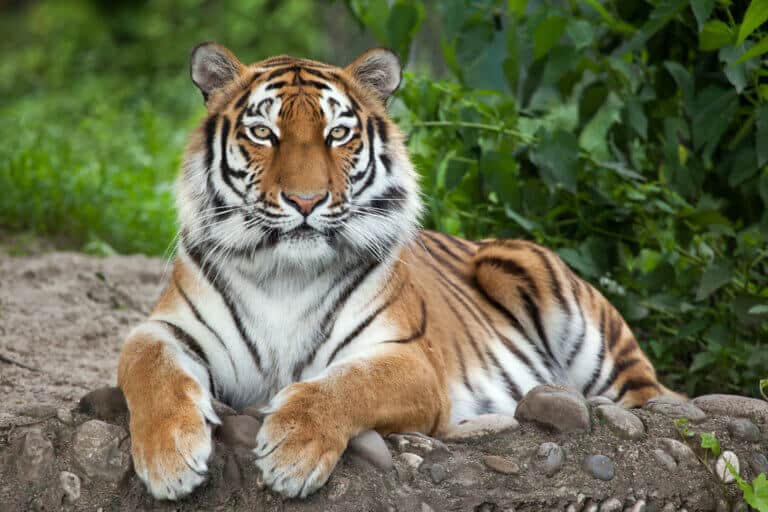
Less Space to Live: Wild cats like tigers or jaguars need big areas to roam and find food. When forests or grasslands are destroyed, they’re left with smaller spaces, which makes it harder to survive. For example, a tiger might need hundreds of miles to hunt, but if its forest is cut down, it has nowhere to go.
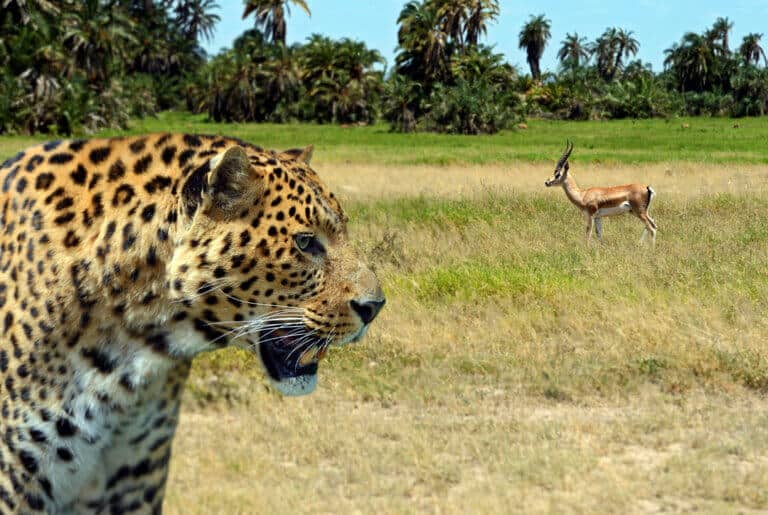
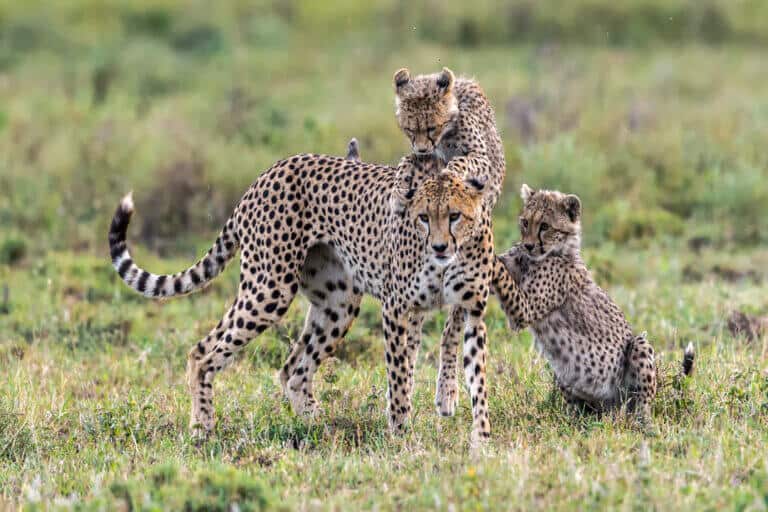
Not Enough Food: Habitat loss often means fewer animals like deer, antelope, or rabbits for wild cats to eat. If their prey disappears, wild cats go hungry. For instance, when grasslands are turned into farms, cheetahs lose the antelopes they chase for food.
More Danger: When their homes shrink, wild cats sometimes wander into human areas looking for food. This can lead to trouble—like lions or leopards being hurt or killed because people are scared or want to protect their livestock.
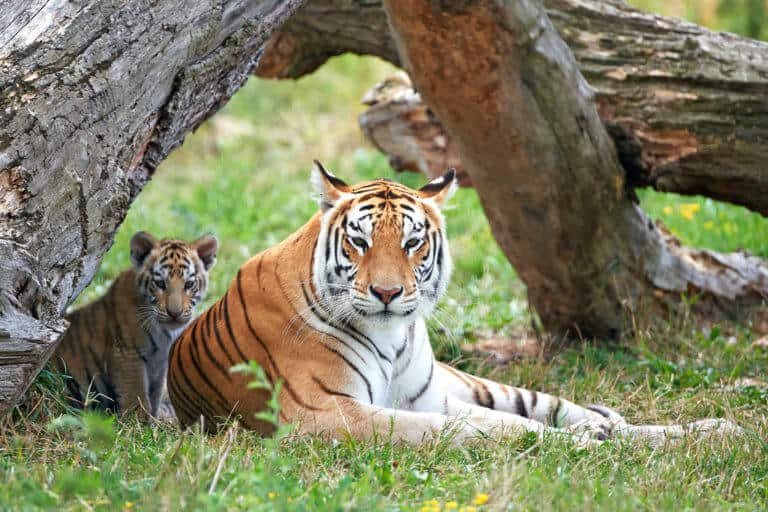
Fewer Babies: Wild cats need safe places to raise their cubs. If their habitat is gone, it’s harder to find a good spot to keep their babies safe. This means fewer wild cats in the future. For example, snow leopards in the mountains struggle when their rocky homes are damaged by mining.
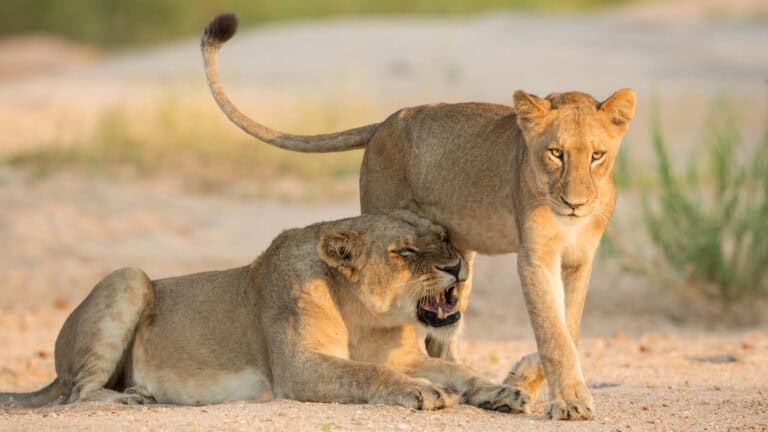
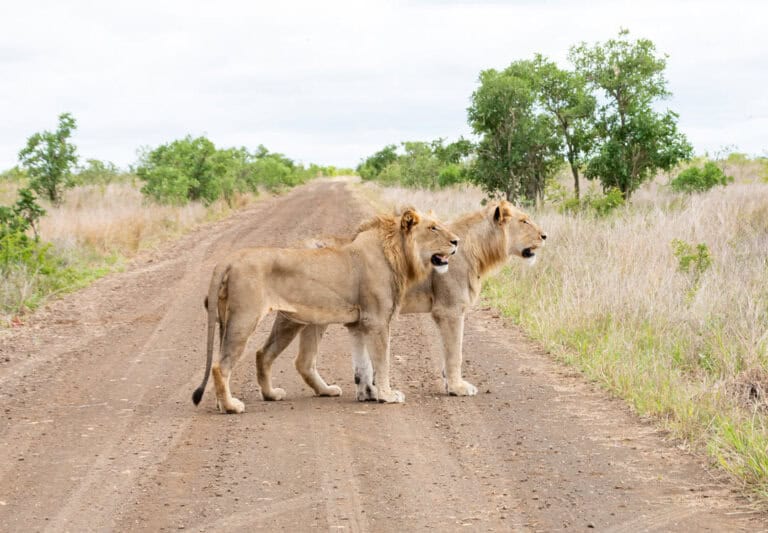
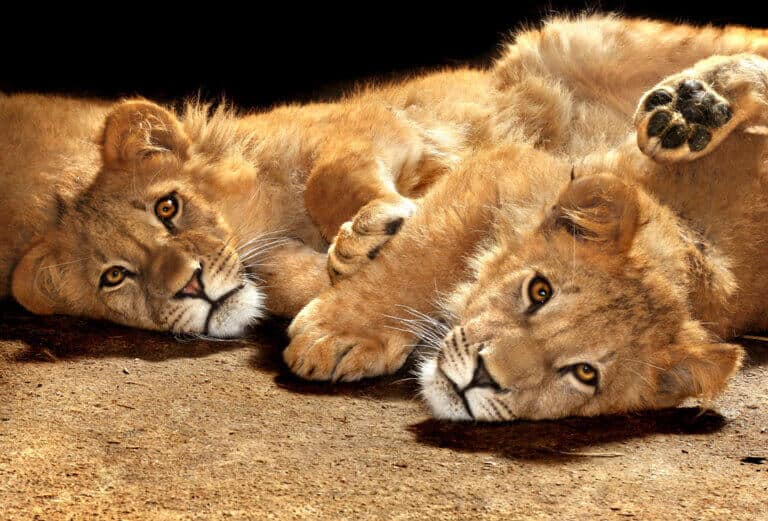
Broken Families: Some wild cats, like lions, live in groups called prides. When habitats are split up by roads or cities, these groups get separated, making it harder for them to stay together or find mates.
What habitat loss really means
Habitat loss is often described as a problem for wildlife, but it also affects the systems that people depend on every day.
There is a finite amount of land on this planet, and ecosystems are not isolated. Forests, grasslands, and wetlands support animals, but they also regulate water, stabilize soil, and influence climate.
When habitat is removed, wildlife begins to disappear. As those populations decline, the roles they play in the ecosystem are lost as well.
Predators help control prey populations. Herbivores shape vegetation. Smaller species contribute to pollination, seed dispersal, and soil health. When these relationships break down, the system becomes less stable.
This is how habitat loss moves beyond wildlife. It can affect food systems, water quality, and the balance of the environment people rely on.
These changes do not always happen all at once. They build over time as more land is altered and more species are lost.
It is not just the loss of space for animals. It is the gradual breakdown of the systems that support both wildlife and human life.
Solutions to habitat loss
Reducing habitat loss depends on protecting existing ecosystems, restoring damaged areas, and planning how land is used over time. Solutions include:
- Protect critical habitats: Preserve forests, grasslands, and wetlands through protected areas and conservation policies
- Restore damaged ecosystems: Replant forests, rebuild wetlands, and return land to a more natural state where possible
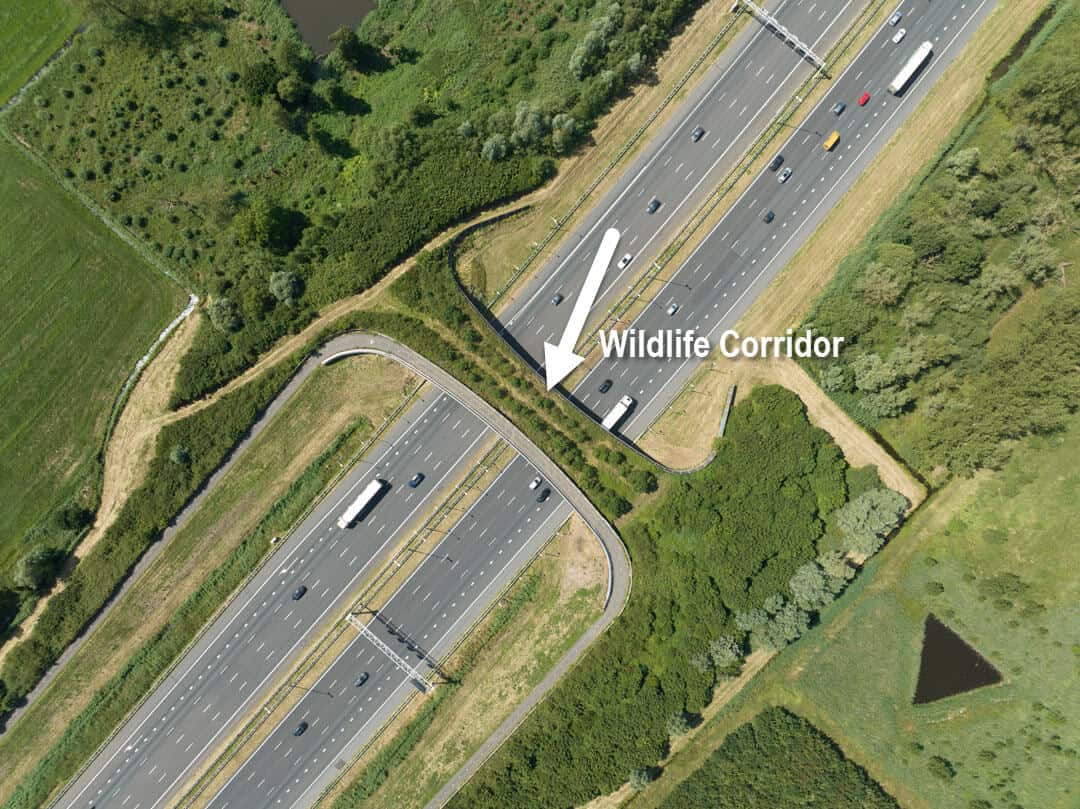
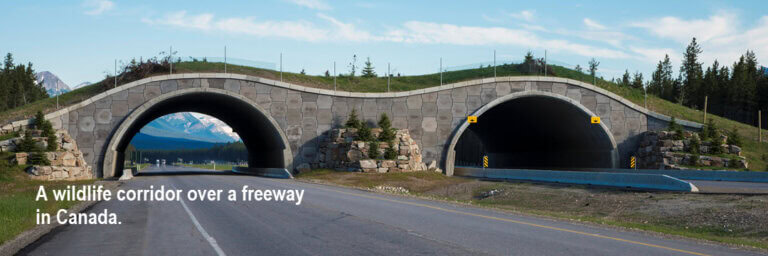
- Create wildlife corridors: Connect fragmented habitats so animals can move, find food, and reproduce
- Sustainable land use: Balance development, agriculture, and conservation to reduce long-term environmental impact
- Reduce deforestation and overuse: Limit large-scale clearing of land and manage natural resources responsibly
Annual Habitat Loss Update (2026)
Habitat loss remains the primary driver of biodiversity decline worldwide. Recent data and reporting highlight how land-use change, deforestation, and ecosystem degradation continue to reshape wildlife habitats across multiple regions.
Global deforestation remains a major driver of habitat loss
Recent global forest monitoring data shows continued loss of tropical forests, particularly in regions such as the Amazon and Southeast Asia. While some countries have made progress in reducing deforestation rates, overall forest loss remains significant and continues to impact wildlife that depend on large, connected habitats.
https://www.globalforestwatch.org/dashboards/global/
Expansion of agriculture and development continues to fragment ecosystems
Land conversion for agriculture, infrastructure, and urban expansion remains one of the leading causes of habitat fragmentation. As landscapes are divided into smaller, isolated areas, wildlife populations become more vulnerable due to reduced territory, limited movement, and declining access to resources.
https://www.fao.org/forest-resources-assessment/en/
Wildlife corridors are gaining attention as a response to fragmentation
In response to increasing habitat fragmentation, conservation efforts are focusing more on maintaining and restoring connectivity between habitats. Projects involving wildlife corridors and protected landscape networks are being developed to allow animals to move between areas, supporting genetic diversity and long-term population stability.
https://www.worldbank.org/en/topic/environment/brief/biodiversity-and-ecosystems
Climate change is altering habitats alongside land use
In addition to physical habitat loss, climate change is shifting ecosystems by altering temperature, rainfall patterns, and vegetation. These changes can affect where species are able to live, sometimes forcing them into smaller or less suitable areas. This adds another layer of pressure to already fragmented habitats.
https://www.ipcc.ch/report/ar6/wg2/
0 Comments