

Trophy hunting is hunting for sport (pleasure and recreation). In recent years, it has become an international billion-dollar industry.
The animals killed in trophy hunting are often large, have unique qualities or characteristics, and are considered rare (not found in large numbers and consequently of interest or value).
History
Hunting for sport has occurred throughout history, especially among royalty, noblemen, and other elite members of society. It was popularized in the late 1800s when hunters like Frederick Selous, Walter Bell, and Samuel Baker published books describing their hunts.
Frederick Selous (1851 – 1917) was a British explorer and professional hunter who hunted elephants for profit.
Walter Bell (1980 – 1954) was a Scottish soldier and big game hunter in East Africa who killed elephants for ivory and other African animals.
Samuel Baker (1821 – 1893) was an English explorer and big game hunter in Africa, Asia, Europe and North America.
How it works
Hunters typically pay tens of thousands of dollars to kill an animal. Some animals are lured with bait and killed, while others are acquired at auction or bought at ranches and farms, where they are raised to be shot by hunters. Parts of the animal are often kept and displayed as trophies.
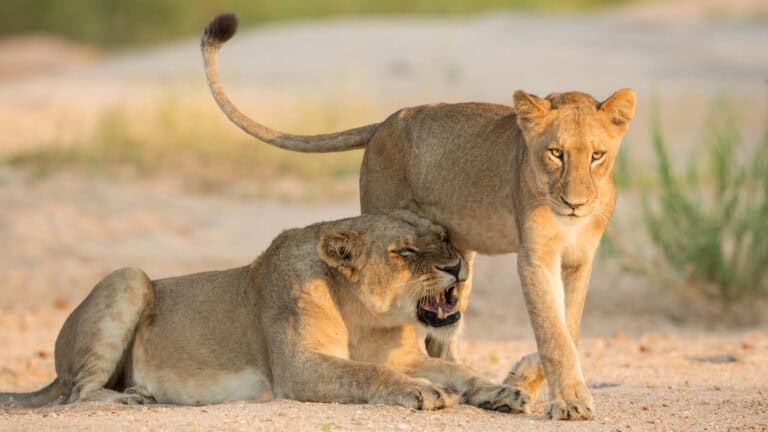
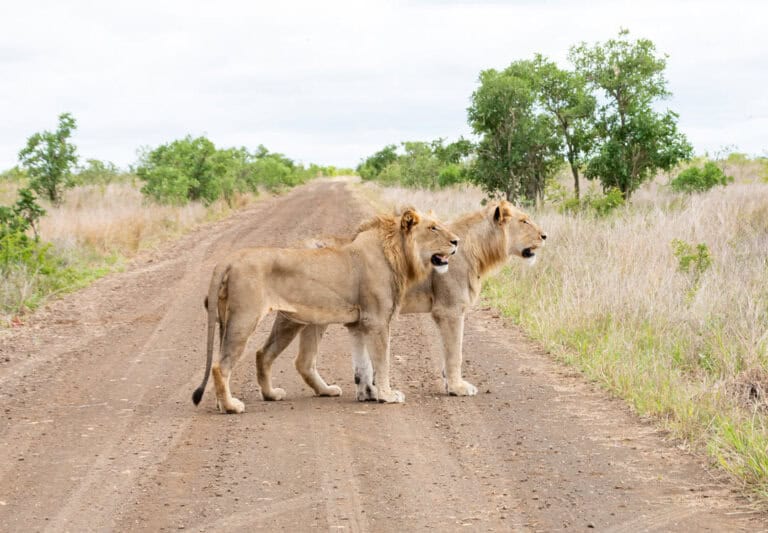
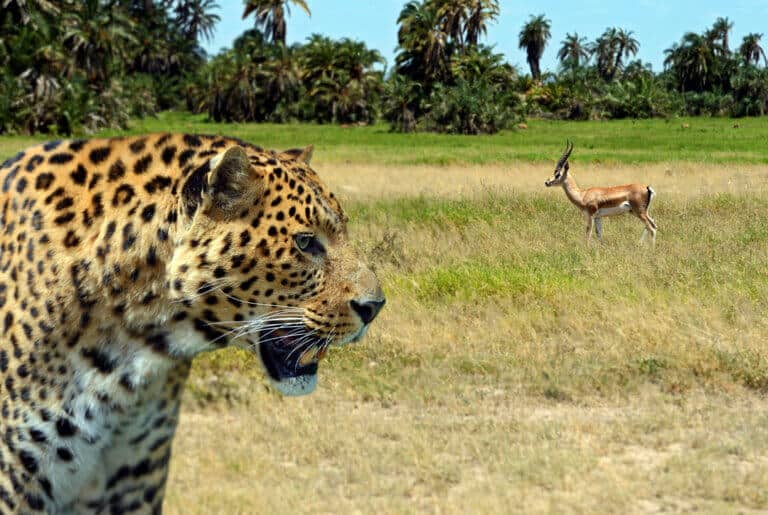
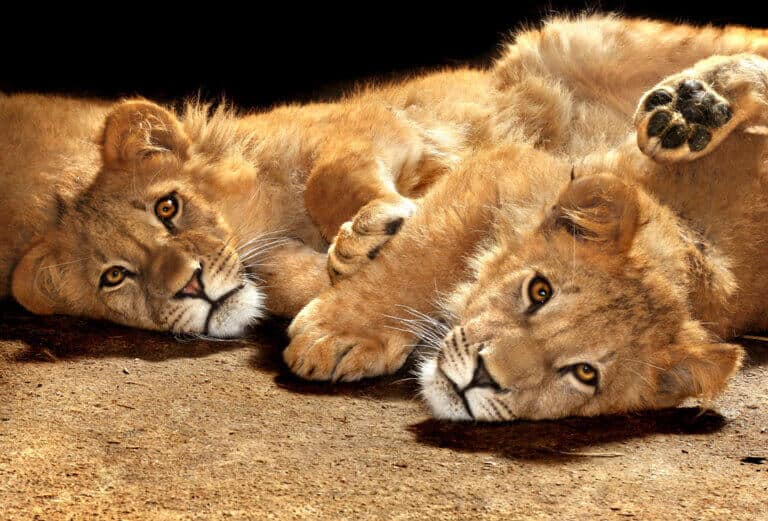
The most hunted animals are the African elephant, leopard and lion.
Statistics
According to an International Fund for Animal Welfare study in 2016, of the 1.7 million animals killed by trophy hunters between 2004 and 2014, 200,000 belonged to threatened or endangered species, including 11,000 lion trophies.
Americans top the list as the largest group of trophy hunters, importing 75% of animal trophies globally. Other large importers include Spain, Germany, Austria and Denmark.
What trophy hunting is really about
For most of human history, hunting was tied to survival. Animals were taken for food, materials, and necessity, and the outcome was uncertain. In modern trophy hunting, those conditions no longer apply.
Most of these animals pose little or no danger to humans. Some are even considered calm or non-aggressive, yet killing them is often framed as an achievement.
The act itself can also involve prolonged suffering, depending on the conditions of the hunt and the methods used.
Many of the species targeted are already under pressure from habitat loss, prey decline, and human expansion. Removing individuals from these populations—especially large, mature animals—can reduce breeding strength and disrupt population stability over time.
For species with complex social structures, such as lions and elephants, the loss of key individuals can break down group organization, affect reproduction, and reduce the chances of survival for others.
Efforts to ban trophy hunting
In July 2022, 136 conservation and animal protection organizations worldwide called for a ban on trophy hunting imports.
“With the unethical practice of trophy hunting harming species conservation and the economy for decades, a policy shift is long overdue. Together, with a united voice of 136 NGOs from all around the world, we call on governments to take responsibility towards the protection of species and biodiversity, and to ban the import of hunting trophies.” – Reineke Hameleers (CEO Eurogroup for Animals)
Download the 2022 Joint Position on Trophy Hunting.

New USA Legislation
New legislation, the Prohibiting Threatened and Endangered Creature Trophies Act of 2024, has been introduced to the 118th Congress to prohibit anyone from taking threatened species with the United States of U.S. territorial seas as trophies or importing such trophies. Trophy is defined as a dead animal, or recognizable part of an animal, that was obtained under an authorization issued by a state, foreign government, or private landowner. The bill modifies the U.S. Endangered Species Act of 1973.
UPDATE: Prohibiting Threatened and Endangered Creature Trophies Act of 2024 (ProTECT Act) – as of 2026, it has NOT been passed into law and remains proposed legislation under consideration.
Download a copy of the bill.
H.R.-7840-Prohibiting-Threatened-and-Endangered-Creature-Trophies-Act-ProTECT-of-2024.pdf
Annual Trophy Hunting Update (2026)
Trophy hunting remains a regulated but widely debated activity in wildlife conservation. Recent developments reflect ongoing discussions around its economic role, conservation impact, and changing international policies.
Import restrictions are affecting trophy hunting markets
Several countries have introduced or expanded restrictions on the import of hunting trophies, particularly for species such as lions and elephants. These policies are influencing demand by limiting the ability of hunters to transport trophies across borders.
https://www.bbc.com/news/world-europe-66170125
Trophy hunting revenue remains part of conservation funding debates
In some regions, regulated trophy hunting is promoted as a source of conservation funding and local economic support. However, there is ongoing debate about how effectively this revenue contributes to wildlife protection and whether benefits reach local communities.
https://www.sciencedirect.com/science/article/pii/S0006320717309116
Policy and regulation continue to vary by country
Trophy hunting laws differ widely between countries, with some allowing regulated hunting under quota systems and others moving toward stricter controls or bans. These differences reflect varying approaches to wildlife management and conservation policy.
https://www.cites.org/eng/disc/species.php
Public and political pressure is shaping future policy
Public opinion and political debate continue to influence how trophy hunting is regulated. In some cases, increased scrutiny has led to policy reviews, proposed legislation, or changes in how hunting programs are managed.





0 Comments