
What is poaching?
Poaching is a destructive criminal activity that continues to reduce wildlife populations and damage ecosystems. Along with the illegal wildlife trade, it has played a significant role in the decline of wild cat populations worldwide and has contributed to the extinction of several species and subspecies.
Hunting vs. poaching
In most countries, hunting is a regulated activity with specific rules designed to protect wildlife populations. These rules help ensure that hunting does not harm long-term population stability.
Poaching occurs when these laws are ignored or broken.
Examples of illegal hunting (poaching)
Poaching can take many forms, including:
- Killing an endangered or legally protected animal
- Taking a protected animal and selling it
- Hunting without a license or required permits
- Killing animals outside of designated hunting seasons
- Exceeding legal limits on the number of animals that can be taken
- Hunting on private or restricted land without permission
- Using prohibited weapons or methods
- Hunting from vehicles or aircraft
- Shooting animals in confined or controlled environments, sometimes called canned hunting
- Killing animals that have been tagged or are part of research programs
These laws exist to protect wildlife populations and help keep ecosystems balanced.
Poaching and the illegal wildlife trade
Despite national and international regulations, poaching remains closely tied to the illegal wildlife trade, which has grown into a multi-billion-dollar global industry.
Wild animals are often targeted for specific body parts, including fur, skins, bones, teeth, horns, and ivory.
Wild cats are frequently affected. Some species are hunted for their pelts, while others are targeted for body parts or killed in response to conflict with humans. They are often listed among the most heavily poached animals, alongside elephants, rhinos, and pangolins.
Impacts on wildlife and ecosystems
Poaching can have long-term effects that go beyond individual animals.
- Population declines: Repeated losses can reduce species numbers over time
- Ecosystem imbalance: Removing predators or key species can disrupt food chains
- Loss of biodiversity: Smaller populations are more vulnerable to disease and environmental change
These impacts can weaken ecosystems and reduce their ability to function effectively.
Why this issue continues
Poaching is driven by several factors, including demand for wildlife products in global markets, economic pressures in local communities, limited enforcement resources in large or remote areas, and organized networks involved in illegal trade.
Because of this, poaching is not only a wildlife issue. It is also connected to economic and social systems.
Why stopping poaching is important
Poaching affects more than individual species. It is part of a larger system that influences ecosystems, biodiversity, and conservation efforts worldwide.
Addressing poaching requires a combination of law enforcement, international cooperation, community involvement, and long-term conservation strategies.
Understanding how poaching works is an important step toward reducing its impact and protecting wildlife.
The real impact of poaching
Poaching is often described in numbers—how many animals are lost each year, how populations are declining—but those numbers don’t always show what is actually happening.
In the wild, the impact of poaching is not just the loss of individual animals. It changes how species live, move, and survive over time.
A predator that once controlled a territory may disappear, leaving that space empty or unstable. A population that relied on experienced adults may lose them, affecting hunting, migration, or reproduction. Animals that remain may change their behavior, becoming more cautious, more hidden, or avoiding areas they once used.
These changes are not always obvious at first. They appear gradually, often as absence rather than action.
An area that once supported wildlife begins to feel quieter. Movements become less predictable. Encounters become less common. Over time, the system itself starts to shift.
This is how poaching affects ecosystems—not through a single event, but through repeated pressure that alters how species and environments function together.
Solutions to poaching
Reducing poaching depends on stronger enforcement, reduced demand, and creating conditions where protecting wildlife is more valuable than exploiting it.
- Stronger enforcement: Increase funding, training, and support for anti-poaching units and wildlife protection agencies
- Reduce demand: Limit markets for wildlife products such as skins, bones, and trophies through policy and public awareness
- Support local communities: Provide economic alternatives so communities benefit from protecting wildlife
- Use technology: Deploy tools such as camera traps, drones, and tracking systems to monitor and prevent illegal activity
- Stronger penalties and prosecution: Enforce laws consistently to reduce incentives for illegal hunting
Annual Poaching Update (2026)
Poaching remains one of the most direct threats to wild cats and other wildlife. Despite increased enforcement and conservation efforts, illegal killing for trade, profit, and local use continues to impact populations across multiple regions.
Poaching continues to drive declines in key wildlife populations
Poaching remains a major factor in the decline of many species, particularly those targeted for high-value products such as skins and bones. The illegal wildlife trade, which includes poaching, is estimated to be worth up to $20 billion annually, making it one of the largest global criminal industries.
https://www.unodc.org/unodc/en/data-and-analysis/wildlife.html
Big cats remain a high-value target for illegal trade
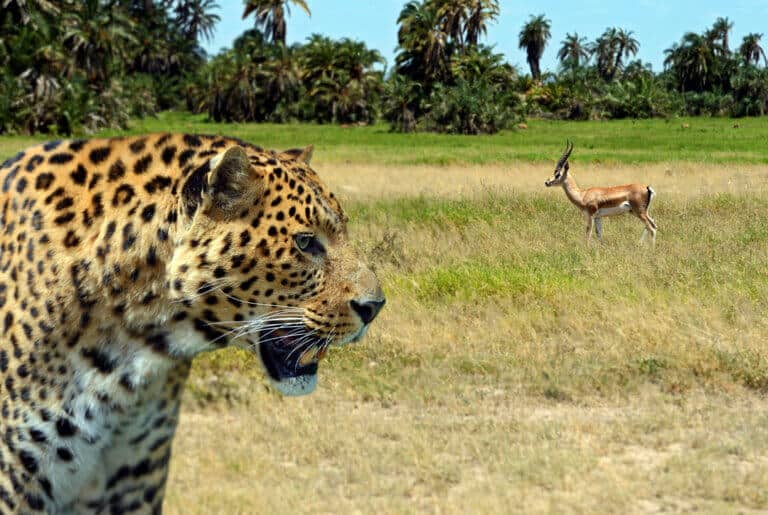
Wild cats such as tigers and leopards continue to be targeted by poachers due to demand for their skins and body parts. Seizure data and enforcement reports show ongoing trafficking activity, with cases involving multiple countries and organized networks.
https://www.unodc.org/
Snaring remains a widespread and difficult-to-control threat
In many regions, wire snares are widely used because they are inexpensive and easy to set. These traps are often indiscriminate, capturing not only target species but also non-target wildlife, including wild cats. Snaring is considered one of the most persistent and difficult forms of poaching to manage.
https://www.iucn.org
Enforcement efforts continue but face ongoing challenges
Governments and international agencies have increased anti-poaching efforts, including patrols, surveillance, and cross-border cooperation. However, enforcement remains uneven, and the scale of poaching continues to present significant challenges in many regions.
https://www.interpol.int/en/Crimes/Environmental-crime/Wildlife-crime
Research, references and quotes
“A tiger fetches slightly less than a white rhino in the illegal trade of species. And yet, the star product of the illegal slaughter of these beautiful animals, the penis, is the most valuable in the illicit trade: $473,506 per kilo, 12 times more expensive than gold. As in the case of rhino horn, traditional Asian medicine has also been the classic market for tiger penis for its fictitious ability to increase sexual potency, but in practice it is often consumed as a culinary delicacy in the form of soup, fetching up to $400 a bowl. Other parts of these animals are also used for a variety of purposes—bones are highly prized at $27,102 per kilo—and it is estimated that 3,900 of these creatures survive in the wild.” – OpenMind

0 Comments