
According to a 2019 United Nations report, up to a million species are facing extinction because of humans, some within a few decades. Another report states that Earth has lost almost 70% of its vertebrate wildlife (animals with a backbone—mammals, amphibians, birds, fish, and reptiles) populations, also due to human activities.
How are humans driving animals (and plants) to extinction?
Habitat destruction…and illegal trade.
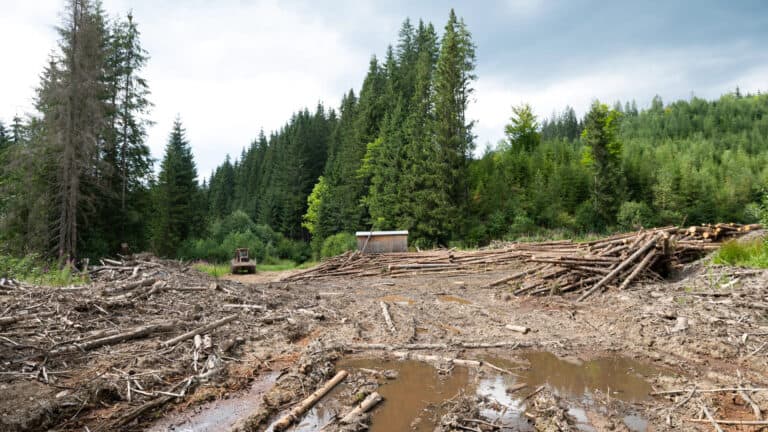
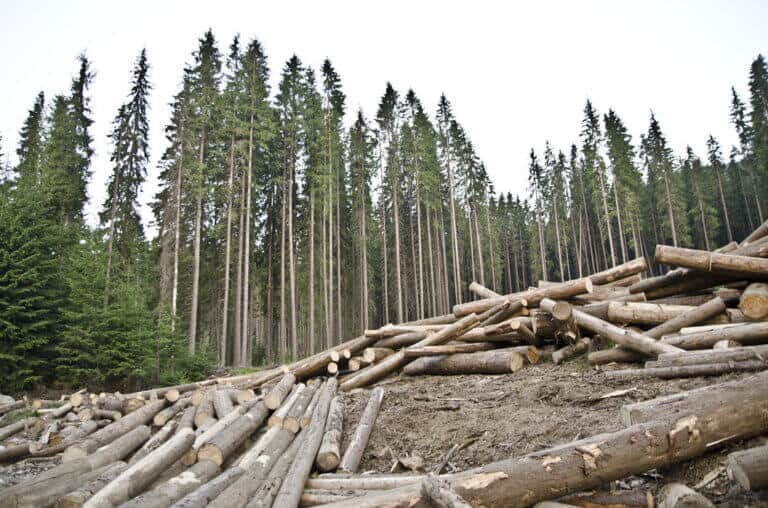
Habit loss is caused by industrialization, urbanization, deforestation, and other types of land alteration and clearance.
Illegal trade is a multi-billion-dollar industry that has decimated wildlife populations, especially those of wild cats, elephants, rhinos, and pangolins. It is ranked as the fourth most profitable international crime after the drug trade, arms trade, and human trafficking.
Even though illegal wildlife trafficking is a significant environmental threat for animals and humans alike, many people are unaware of the issue. In a 2018 U.S. survey conducted by the Association of Zoos and Aquariums, while there was support for wildlife conservation, approximately half of the respondents either didn’t know or had not recently heard about the illegal buying and selling of wildlife body parts like tiger skins.
What does illegal wildlife trade mean?
In simple terms, “trade” is the sale or exchange of goods between one entity (e.g., people, corporations, or governments) and another. Illegal trade means the trade is unlawful.
The United Nations Office on Drugs and Crime (UNODC) defines wildlife trafficking as “the illegal trade, smuggling, poaching, capture, or collection of endangered species, protected wildlife (including animals or plants that are subject to harvest quotas and regulated by permits), derivatives, or products thereof.”
Why is wildlife traded?
Wild animal body parts, such as fur, teeth, and bones, are used for jewelry, clothing, food, and décor, as well as indigenous medicine, religious events, amulets for protection, and other cultural reasons.
Some wildlife trade is legal, but trade involving endangered species and legally protected animals is against the law.
Because these animals cannot be obtained legally, they are hunted, killed, and sold on the black market (buying and selling goods outside of normal channels and not following government rules and regulations).
The illegal wild cat trade
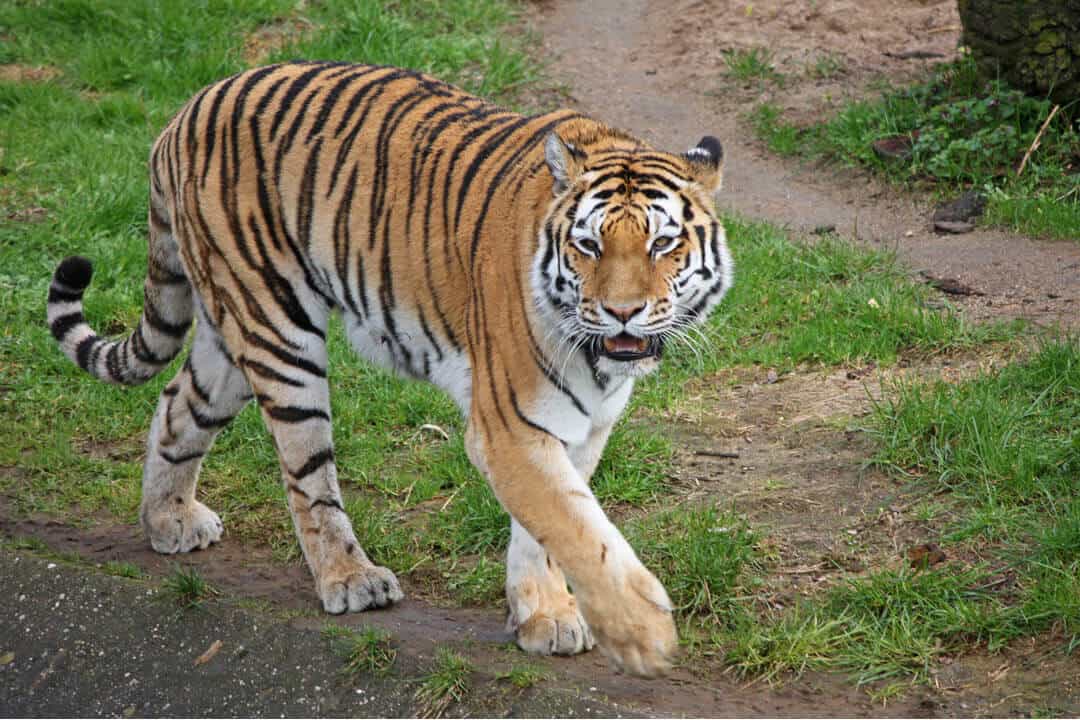
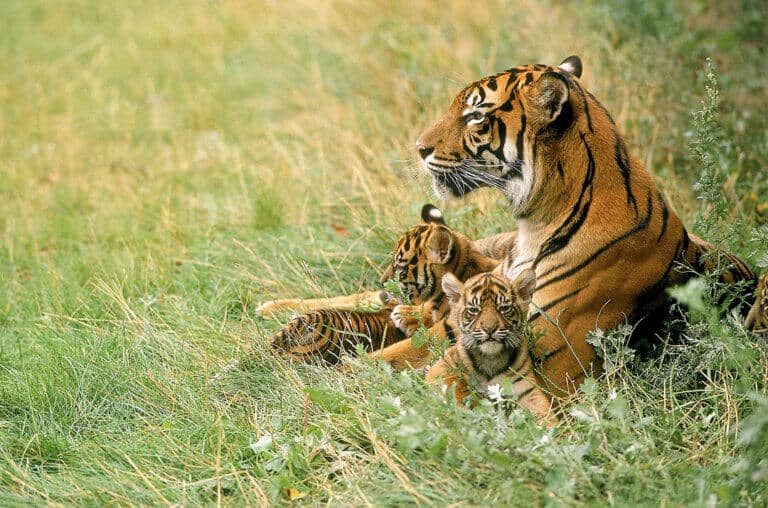
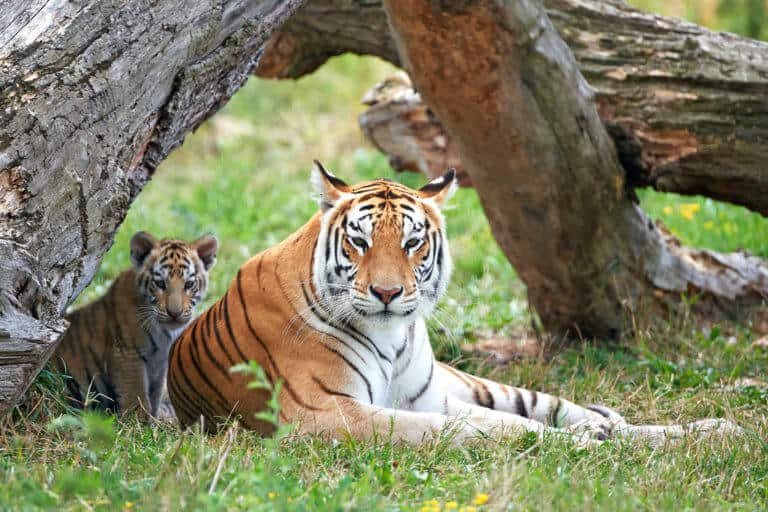
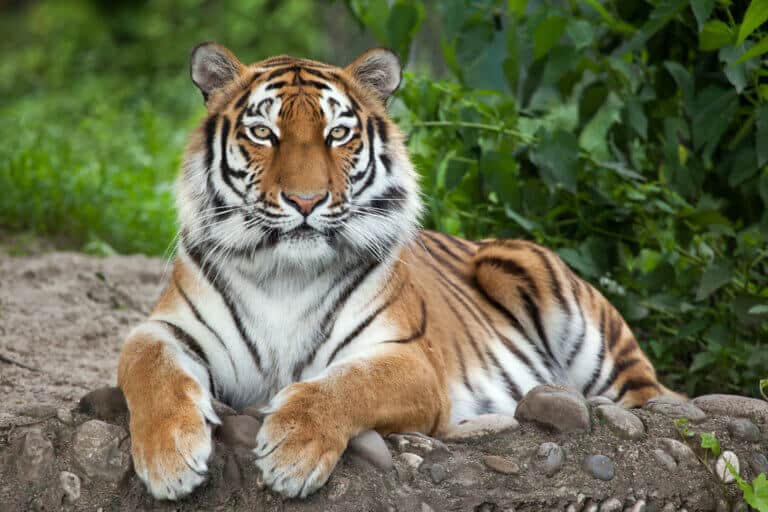
Tigers could once be found from Turkey to Iran, Afghanistan to Central Asia and Pakistan to India and Indochina. Today, only 7% of their range remains. It is home to an estimated 5,500 tigers still living in the wild, down from 40,000 in the 1970s.
The tiger is one of the most illegally trafficked animals on the planet. Over 100 tigers are unlawfully killed and sold on the black market each year.
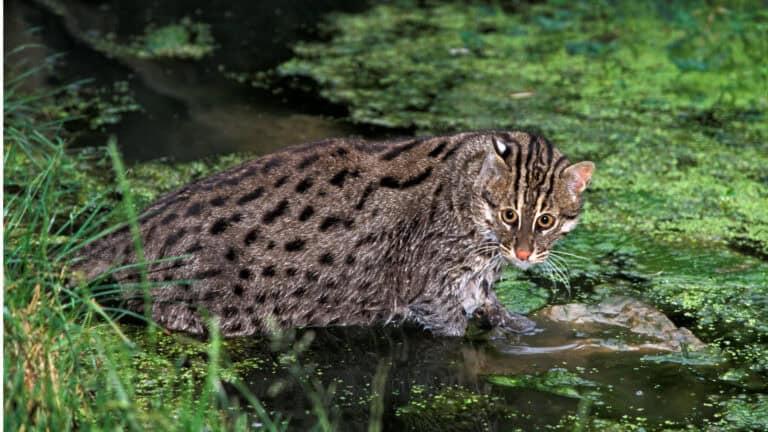
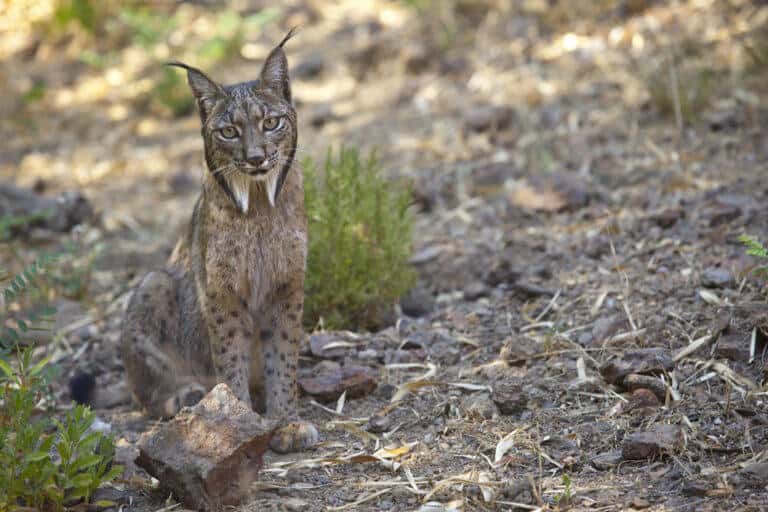
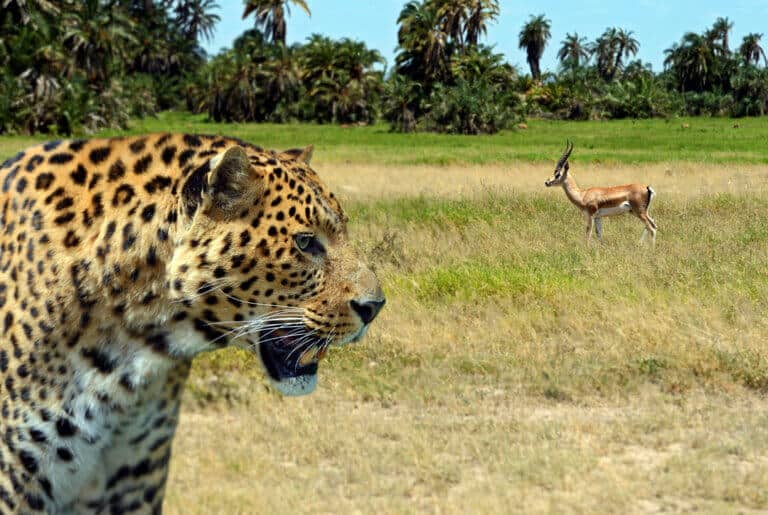
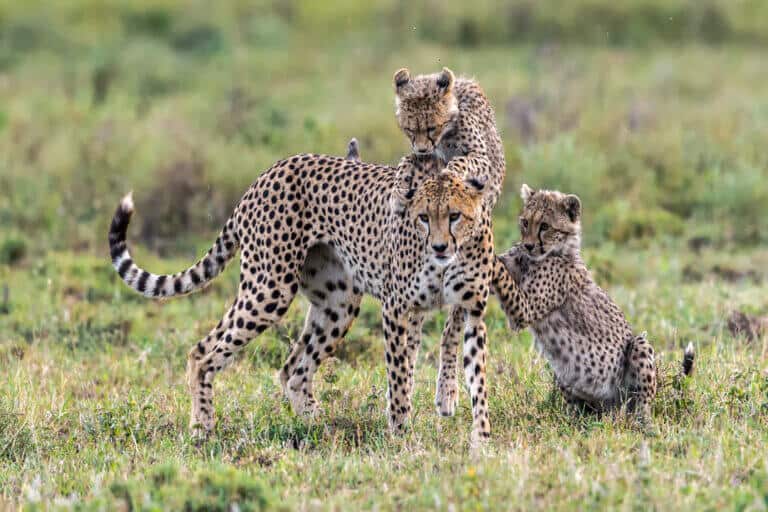
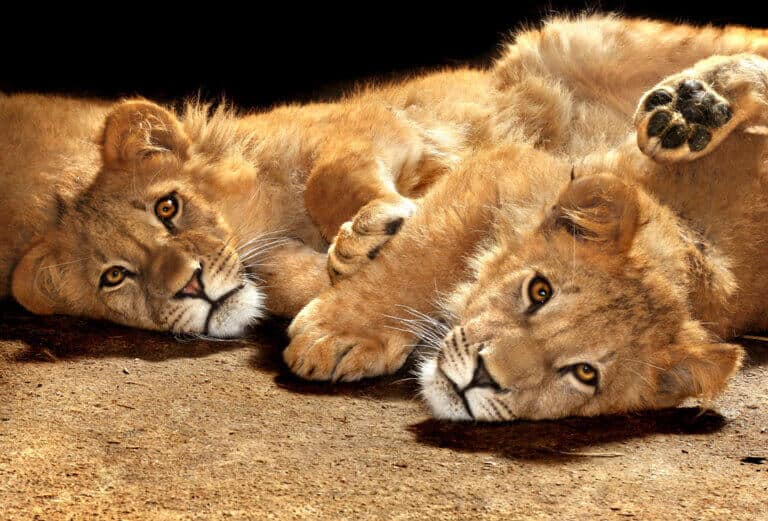
Many other wild cats, both big and small, are also being targeted by traffickers and routinely killed for their fur and other body parts.
According to experts, the ever-increasing growth in illegal wild cat trade results from rising market demand as the cats become more scarce, inadequate legislation, and ineffective monitoring and enforcement.
What the illegal wildlife trade really means
The illegal wildlife trade is often described in terms of individual animals being taken or sold. But in reality, it is a global system that moves wildlife across regions and countries as a product.
Animals are captured, transported, and sold through networks that operate across borders. At each stage, there are risks, and many animals do not survive the process.
This trade is driven by demand—for pets, luxury goods, traditional medicine, and status. As long as that demand exists, the system continues.
For wildlife, the impact is direct. Animals are removed from their natural environments, reducing populations and disrupting ecosystems.
For people, the effects are less visible but still significant. The trade can weaken local economies, support organized criminal activity, and increase the risk of spreading diseases between animals and humans.
This is not a series of isolated events. It is a connected system that links supply, demand, and profit across the world.
Reducing its impact depends not only on enforcement, but also on understanding how the system works and why it continues.
Solutions to illegal wildlife trade
Reducing the illegal wildlife trade requires coordinated efforts across enforcement, policy, communities, and consumer behavior. Because it is a global system driven by demand and profit, no single solution is enough on its own. Some things that can have an impact on illegal wildlife trade:
- Stronger enforcement: Improve funding, training, and coordination for wildlife protection agencies, border control, and international law enforcement
- Reduce demand: Public awareness campaigns and policy changes can lower demand for wildlife products such as ivory, skins, and exotic pets
- Close legal loopholes: Strengthen regulations and enforcement of international agreements like CITES to prevent illegal trade from being disguised as legal activity
- Support local communities: Provide economic alternatives and incentives so communities benefit more from protecting wildlife than exploiting it
- Improve monitoring and technology: Use tools such as tracking systems, databases, and surveillance to identify and disrupt trafficking networks
Annual Illegal Wildlife Trade Update (2026)
Illegal wildlife trade remains one of the largest global wildlife threats, driven by demand for animal parts, live animals, and high-value products. Recent developments highlight the scale of the trade and ongoing efforts to disrupt trafficking networks.
Wildlife trafficking remains a multi-billion-dollar global industry
Recent estimates continue to place the illegal wildlife trade among the largest global criminal industries, valued at up to $20 billion annually. The trade includes a wide range of species and products, from live animals to skins, bones, and other body parts.
https://www.unodc.org/unodc/en/data-and-analysis/wildlife.html
Large-scale international enforcement efforts continue
Coordinated global enforcement operations have led to thousands of seizures of protected species and wildlife products. These efforts often involve cooperation between multiple countries and agencies, reflecting the cross-border nature of trafficking networks.
https://www.interpol.int/en/Crimes/Environmental-crime/Wildlife-crime
Big cats remain targeted for skins and body parts
Wild cats, including tigers and leopards, continue to be targeted for illegal trade. Skins, bones, and other parts are trafficked through organized networks, with some seizures revealing links between multiple countries and markets.
https://www.unodc.org/unodc/en/data-and-analysis/wildlife-crime.html
Online trade is making enforcement more difficult
The growth of online marketplaces and social media has made it easier for illegal wildlife products to be bought and sold. Traffickers increasingly use digital platforms to reach buyers and avoid detection, creating new challenges for enforcement agencies.
https://www.cites.org/eng/disc/sec/parties/e_commerce.php
What experts are saying:
“Environmental and wildlife crime has become one of the world’s largest and most profitable crime sectors and continues to grow as it pushes many species to the brink of extinction, warned INTERPOL at the United for Wildlife Summit. With the black market for illegal wildlife products worth up to USD 20 billion per year, poaching and the illegal wildlife trade has become a major area of activity for organized crime groups and is increasingly linked with armed violence, corruption and other forms of organized crime. Poaching and the trade in illegal wildlife is not just damaging the environment and killing at-risk species, but is costing the life of wildlife enforcement officers, with up to 100 rangers killed by poachers annually while protecting wildlife in their natural habitats.” – Interpol

0 Comments