
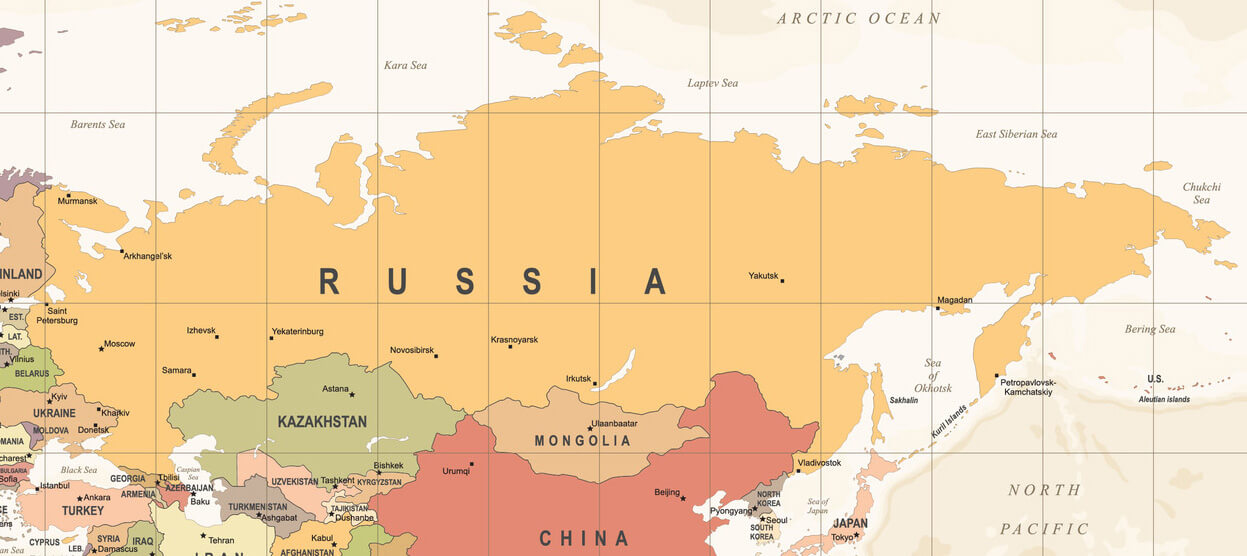
Russia is home to both big and small wild cats. The wild cats of Russia include the Amur tiger, Amur leopard (Far Eastern leopard), Eurasian lynx, Pallas’s cat, and the Leopard cat.
More About Russia
Russia covers a large expanse of land across Europe and Asia, combining coastline, plains, lowlands, plateaus, and mountainous regions. Most of the country is closer to the North Pole than the equator. It is bordered by Norway, Finland, Estonia, Latvia, Lithuania, Poland, Belarus, Ukraine, Georgia, Azerbaijan, Kazakhstan, Mongolia, the People’s Republic of China and North Korea along with three oceans (Atlantic, Pacific and Arctic) and 13 seas. Russia’s climate is mostly cool to extreme cold.
Russian Wild Cat Species
Amur tigers (Siberian tigers) are an endangered species that inhabit Russia’s Far East and Northeast China.
The Far Eastern (Amur) Leopard can be found in the Primorye region of southeastern Russia and northern China. It is the only leopard that can survive in the snow. The cat’s fur is a light cream with rose-looking spots (rosettes). The Amur leopard is Critically Endangered.
The Eurasian lynx is a small wild cat. Its conservation status is Least Concern. That cat has long legs and black-tufted ears.
The Pallas’s cat (manul) is a small wild cat that lives near the Russian-Mongolian border and in grassland and mountain steppes. It is the size of a domestic cat and has a stocky appearance.
Russian snow leopards live in Southern Siberia and usually inhabit mountain regions.
The leopard cat is a small wild cat that inhabits the Amur region in the Russian Far East, as far as the Korean Peninsula, China, and Pakistan. It prefers living near rivers, valleys, and ravines and tries to avoid areas with snow.
Big Cats in Russia
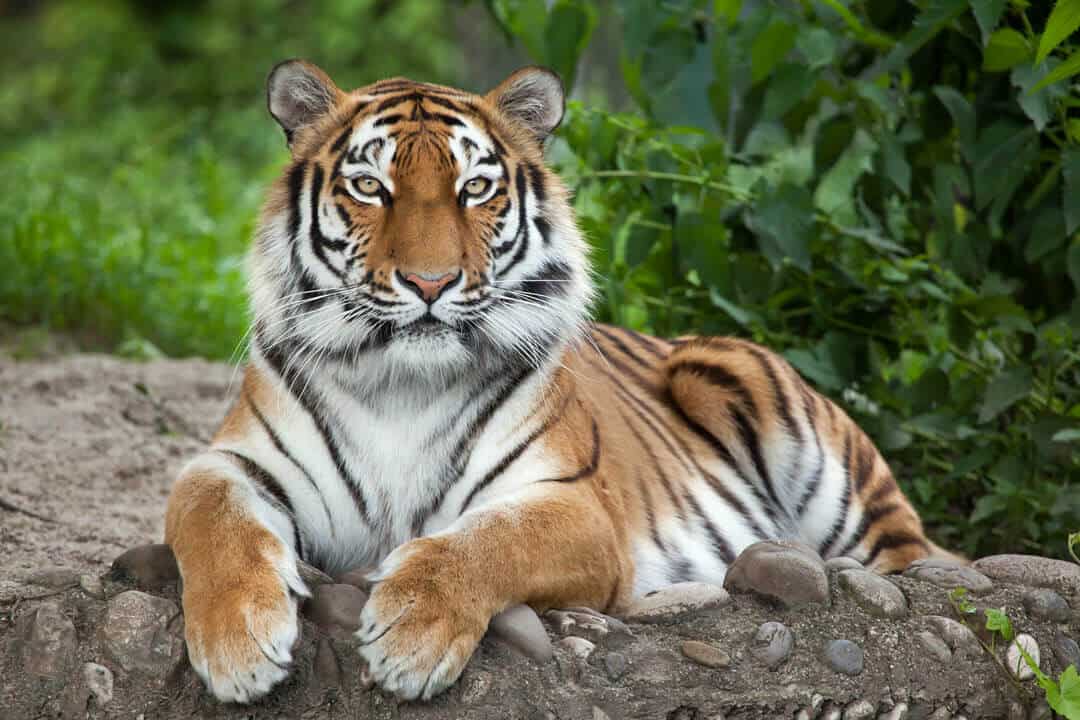
Siberan (Amur) Tiger
Panthera tigris tigris
Conservation Status: Critically Endangered
The majestic Siberian tiger, also known as the Amur tiger, is predominantly found in the forests of Northeast China, the Russian Far East, and possibly in North Korea. These magnificent creatures boast fur that is a striking combination of reddish-brown hues adorned with distinctive black stripes. As one of the largest big cats, the Siberian tiger can reach an impressive weight of up to 700 pounds, making them a truly formidable presence in the animal kingdom.
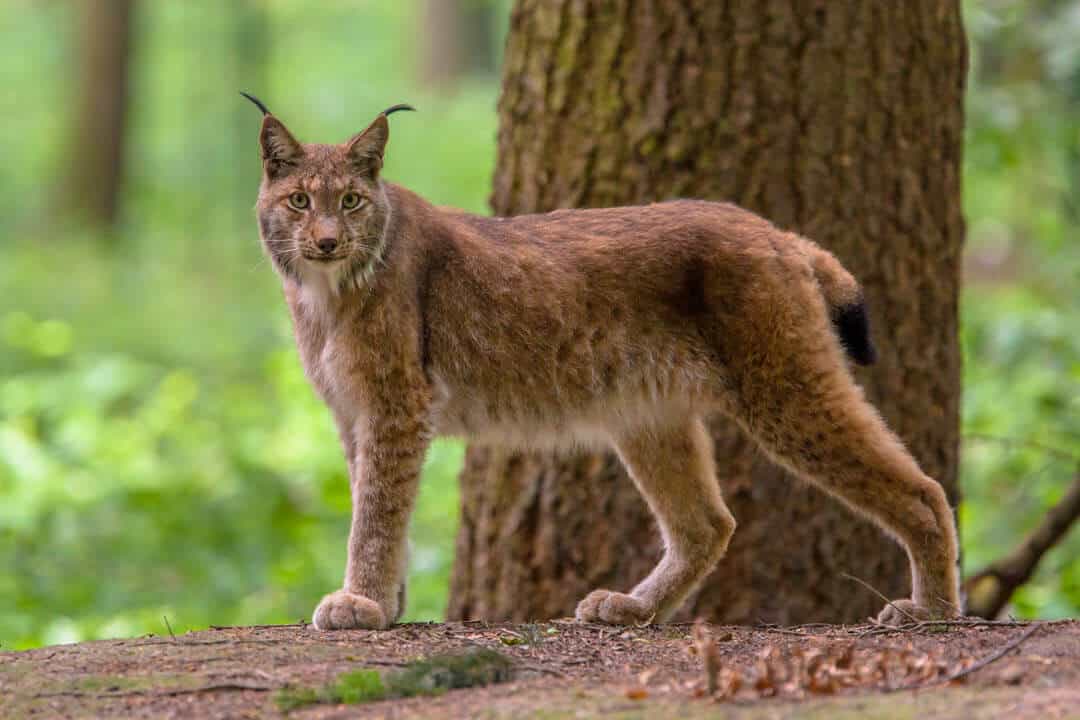
Eurasian Lynx
Lynx lynx
Conservation Status: Least Concern
The Eurasian lynx, a remarkable wild cat species, is the largest among its lynx counterparts and inhabits diverse regions spanning from Europe to Central Asia, extending into the vast expanses of Siberia, the majestic Himalayas, and the picturesque Tibetan Plateau. This elusive feline roams the lush, forested areas of its habitat, boasting a magnificent coat of rich, reddish-brown fur adorned with alluring black spots. Adding to its allure, the Eurasian lynx features an enchanting display of white fur under its chin and along its regal neck.
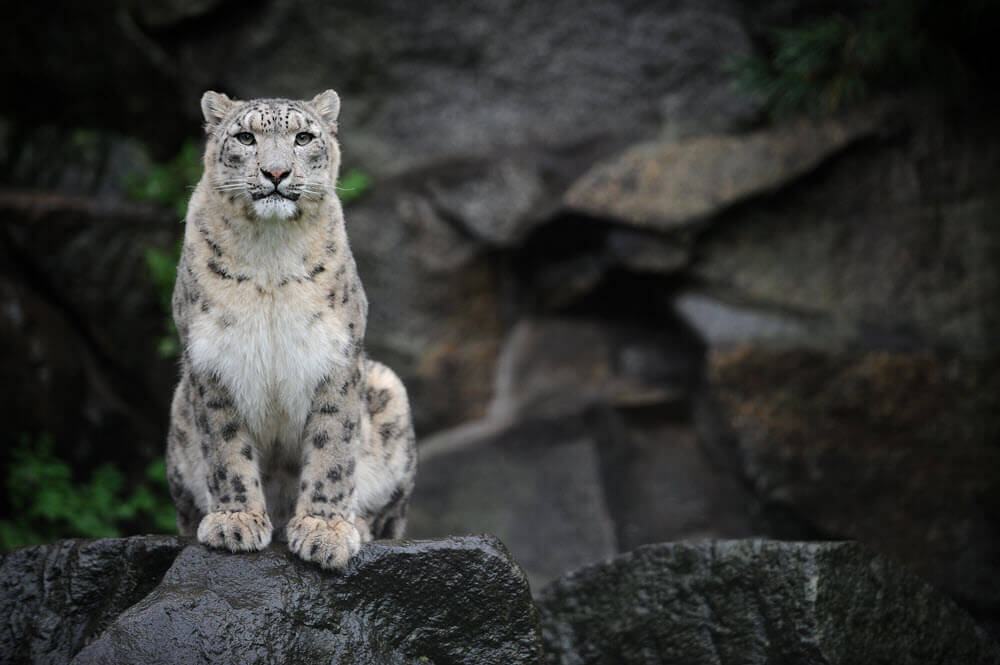
Snow Leopard
Panthera uncia
Conservation Status: Vulnerable
Snow leopards thrive in the harsh mountains of South and Central Asia. Their distinctive heavy white and grey fur, adorned with bold black spots around the neck and head, distinguishes them as one of the most beautiful big cats. These amazing predators possess powerful paws, small rounded ears, a lengthy tail, and sturdy legs, enabling them to conquer their rugged terrain with ease. Adult males typically weigh between 120 and 160 lbs and are known for their diverse vocalizations, including grunts, chuffs, meows, and moans. The population of these magnificent animals in the wild is estimated to be less than 9,000, underscoring the pressing need to safeguard their future.











Thank you for sharing this — especially the details about Pallas’s cat and conservation efforts in Russia. It’s great to hear firsthand insight, and we appreciate the additional context on species and local names like “irbis.” DR
Hello!
I am writing from Russia, and I want to say thank you for this article. It is really nice to see such a detailed and respectful text about Russian wild cats on an English-language website. This topic is very important to us.
I would like to add a few clarifications from the Russian side.
Pallas’s cat (manul) is a very rare and secretive animal in Russia. It is listed in the Red Book, and catching or harming it is illegal. Poachers can go to prison for this.
In the Moscow Zoo there is a famous Pallas’s cat named Timofey. He is very beautiful and lives in good conditions: he has a large shaded enclosure with many hiding places. I have visited the zoo 8–10 times and saw him only twice — that shows how secretive manuls are. Timofey has become a real symbol of the Moscow Zoo.
Snow leopards are not called “Keesia” in Russia. We usually call them snow BARS or, more often, IRBIS. They are incredibly beautiful animals but extremely rare. There are many conservation programs and foundations in Russia working to protect the irbis and its habitat.
Also, I would like to mention that Russia is home not to 6, but to 10 species of wild cats. These include:
-Amur tiger
-Far Eastern (Amur) leopard
-Snow leopard (irbis)
-Eurasian lynx
-Pallas’s cat (manul)
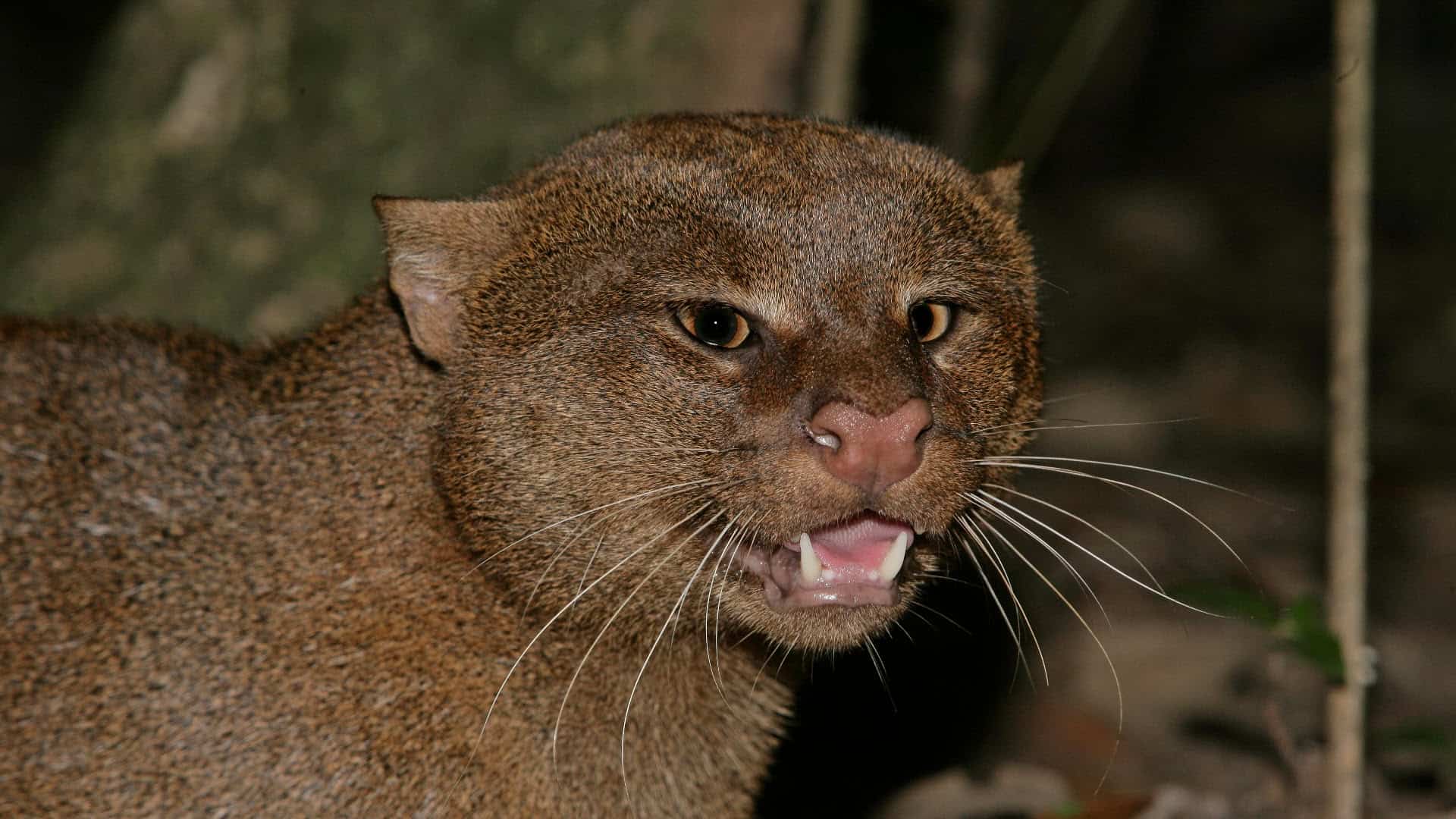
-Jungle cat
-Amur leopard cat (Amur forest cat)
-European wildcat
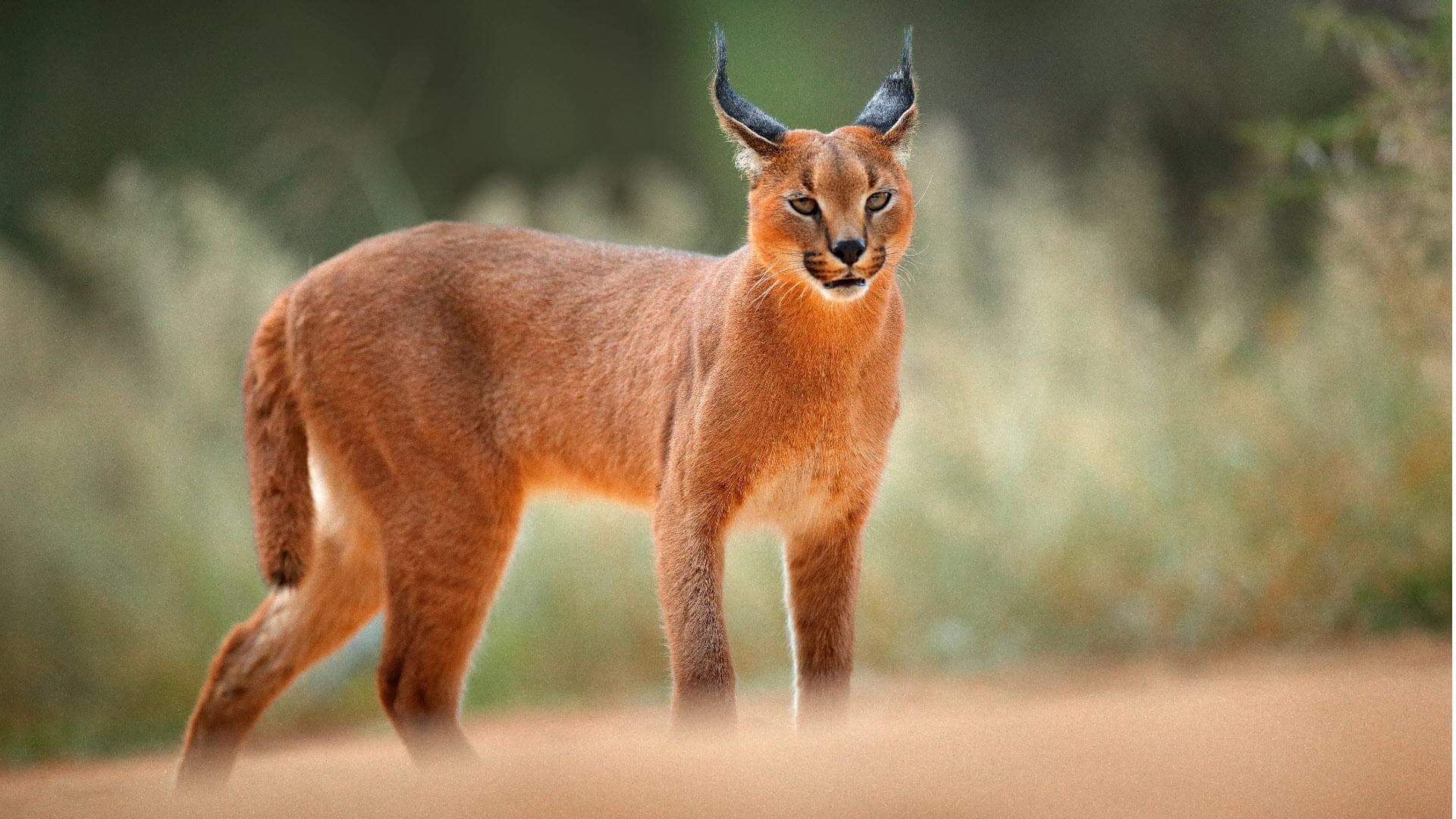
-Caracal (very rare, southern regions)
-Persian (Caucasian) leopard, which is currently being reintroduced to the wild
I hope this material will be useful and interesting for readers from different countries.
With love from Russia 💙
I have loved the Manul Cats ever since I first saw photos of them. We must preserve their habitat which is the mountains. It is cold and they have thick fur. People who live there build them wooden homes to live in and raise their kittens. I would like to learn more about how these cute cats are protected in Russia and where in Russia they live and what they eat and if there are enough of a rodent population for them to eat.
Love
All animals
I once saw a TV show about Siberian snow leopards that were nearly extinct. They said that their native name was Keesia, or something similar. I am looking for someone who can verify or clarify that for me. At the time I said I would name my next cat with that word. I now have a one-eyed tuxedo cat named Keesia, but I’m not certain that I got it correct.
Russia is also bordered by the USA…
Hello there. I am studying at University of Plymouth (UK) and my team have decided to base our oral presentation on the Wild cats of Russia. We were wondering if you could help us at all with our research?