
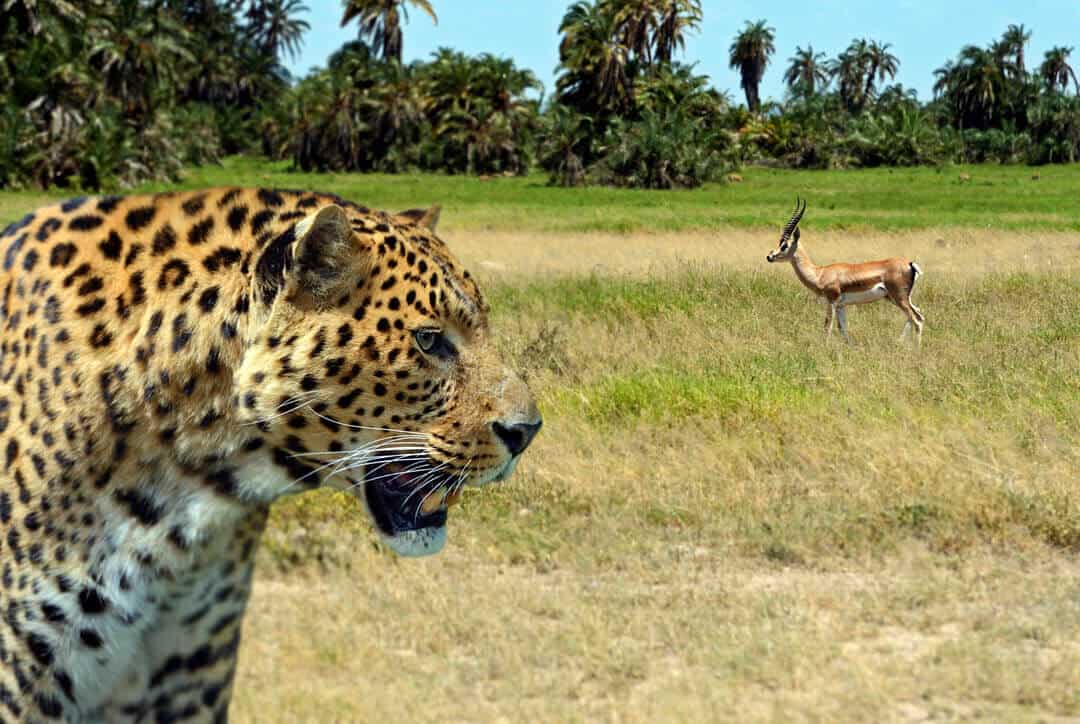
The decline of wild cat populations worldwide is significantly influenced by the loss of prey, also known as prey depletion.
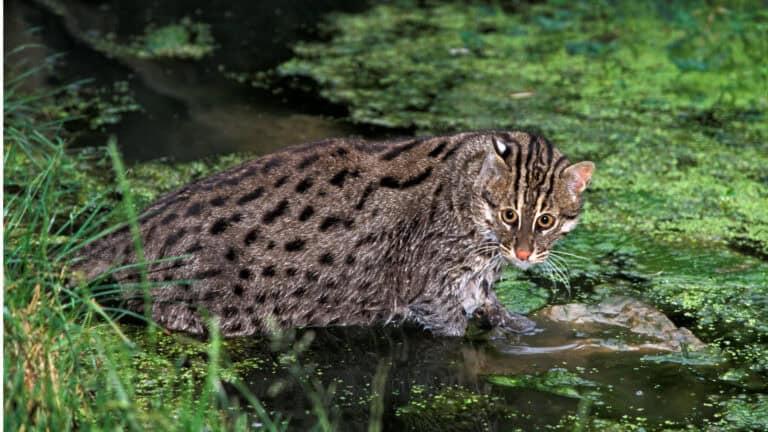
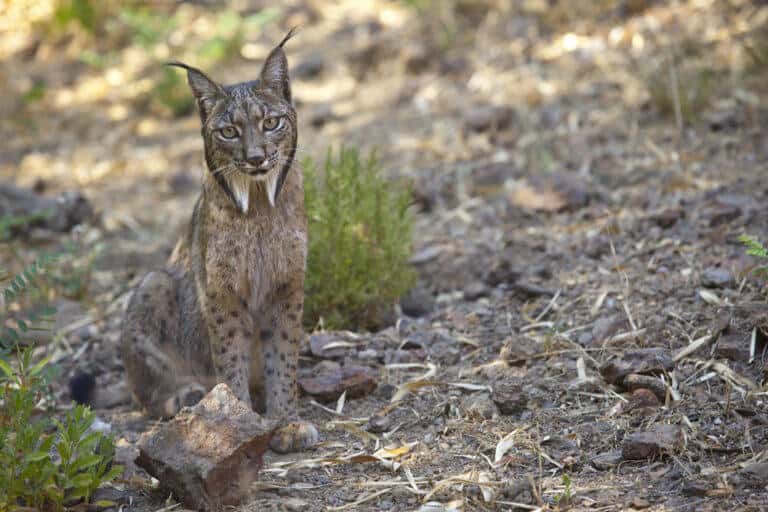
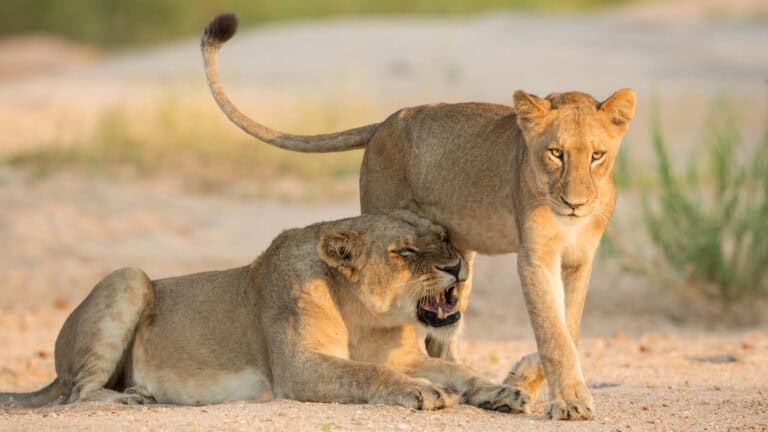
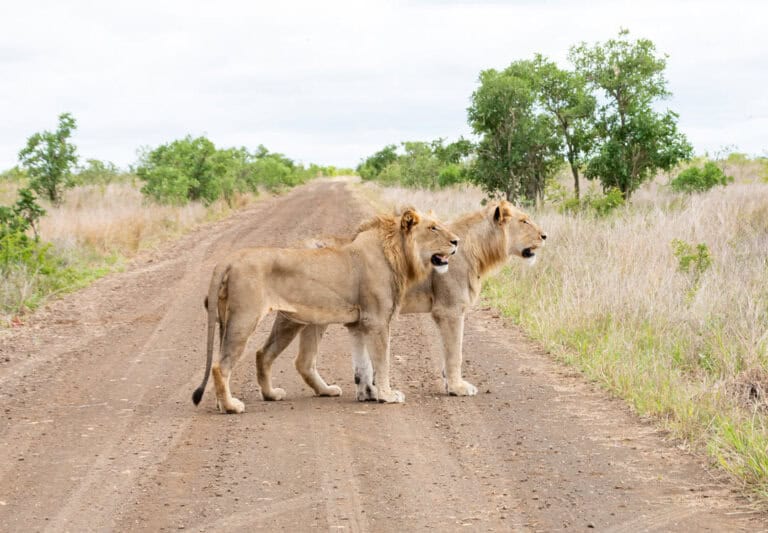
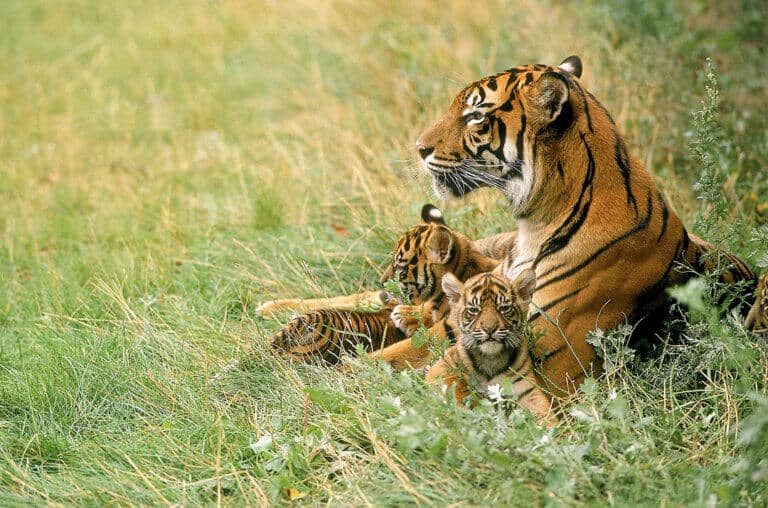
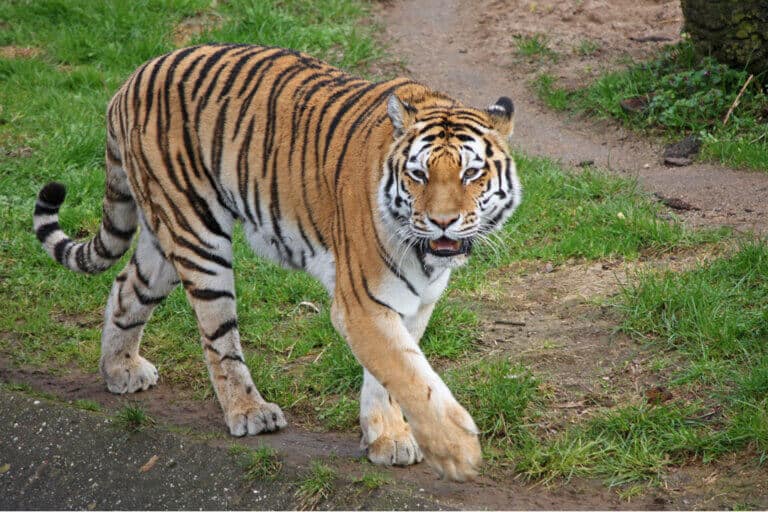
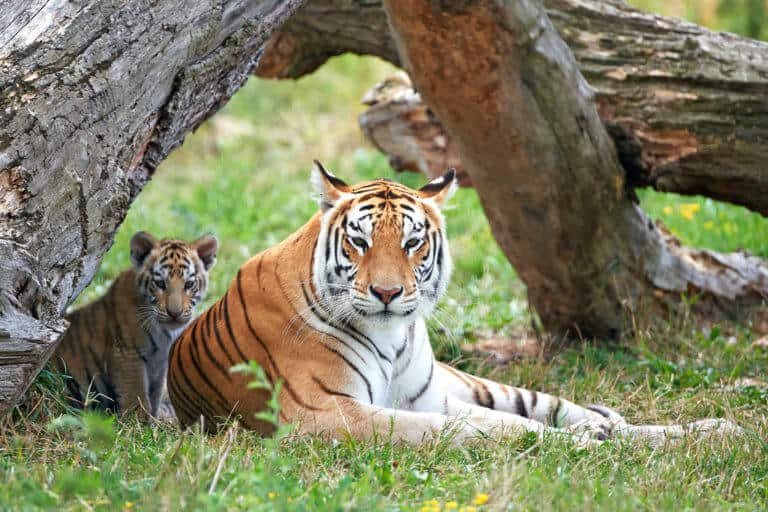
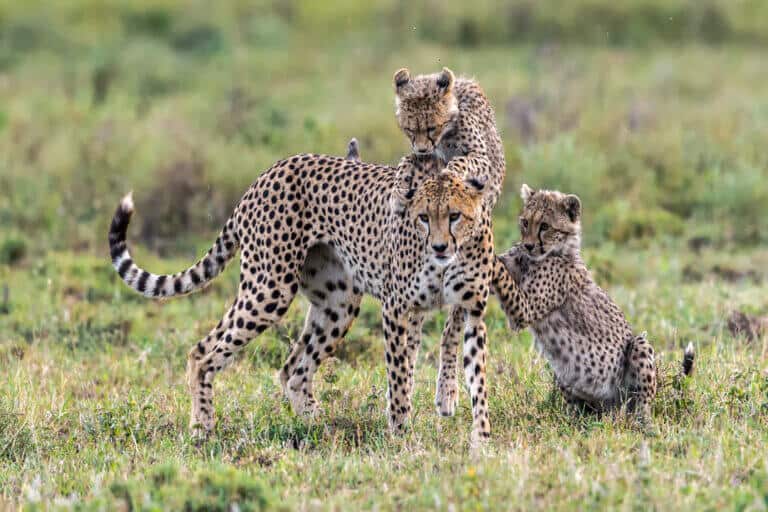
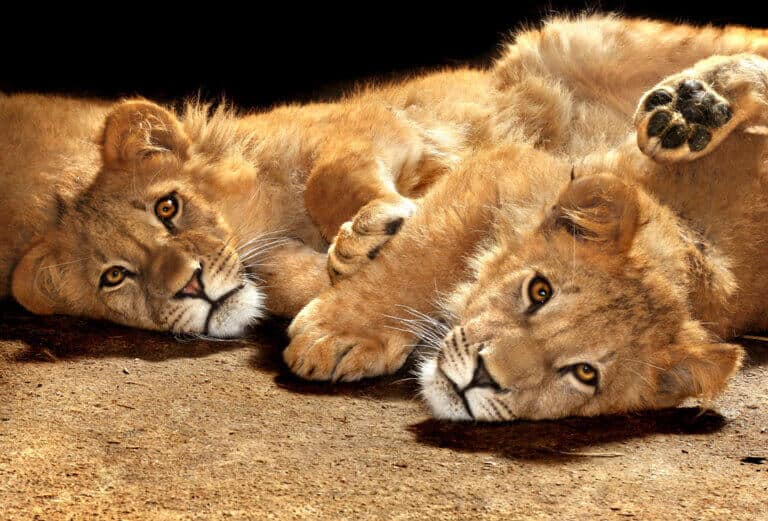
Wild cats are carnivores, meaning they primarily consume meat. Their diet includes a variety of animals such as snakes, small rodents, large hoofed mammals like zebras and antelopes, fish, birds, bears, monkeys, and even other wild cats.
The survival of wild cats depends on the availability of prey. If there isn’t enough prey, wild cat populations may become fragmented, struggling to find food, or decrease in size due to starvation and reproductive challenges.
What causes prey decline
Prey decline can occur naturally when predators are abundant in an area. When the prey decreases, the predator population also declines. A decline in predators causes a resurgence in prey.
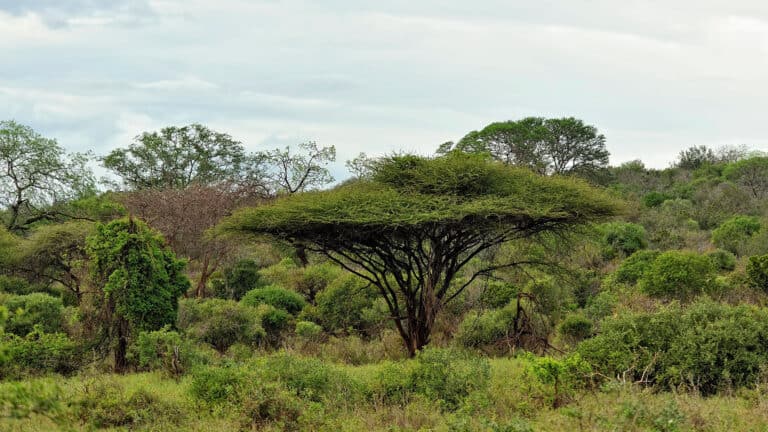
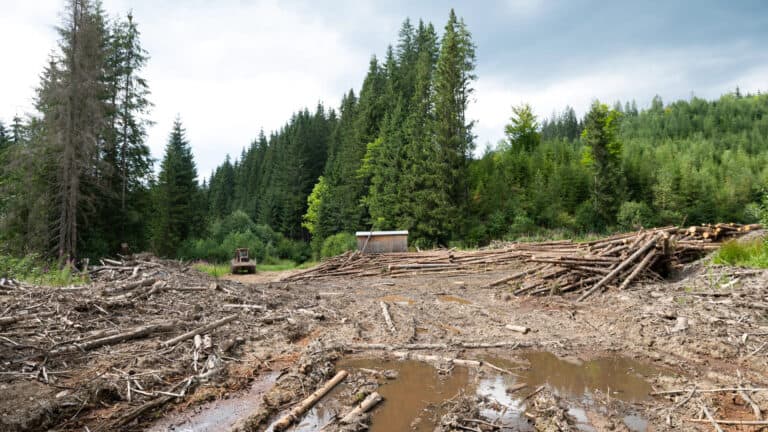
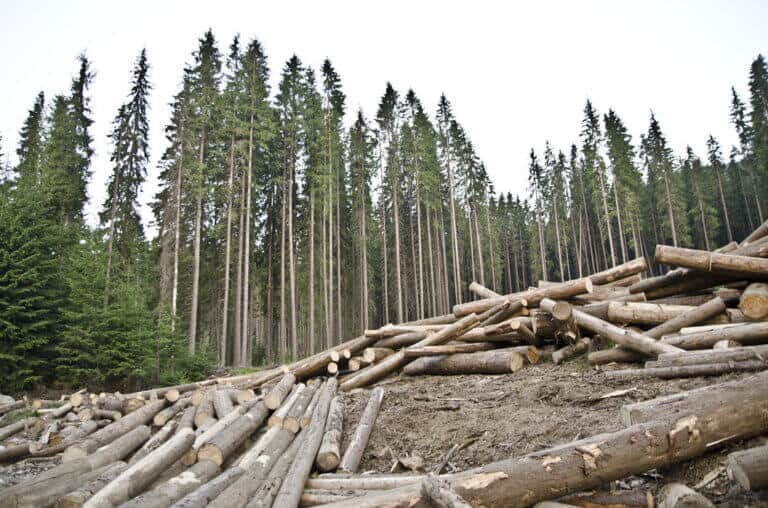
Regarding wild cats, loss of prey is more commonly caused by habitat loss from deforestation, industrialization, urbanization, farming and ranching, and the use of pesticides, herbicides, and other environmental chemicals and poisons.
Wild cats and healthy ecosystems
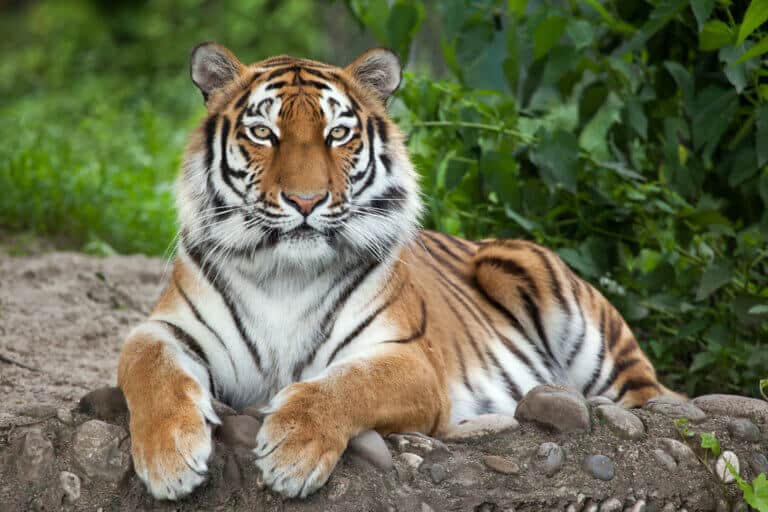
Wild cats are apex predators, meaning they are at the top of the food chain. They play a crucial role in maintaining a healthy ecosystem by controlling prey populations, removing weak and sick individuals, preventing disease spread, and curtailing vegetation overgrazing.
When wild cat populations decrease due to prey decline, the ecosystems they inhabit can become unstable and even collapse.
What prey decline really means
Prey decline is often described as a lack of food for predators, but it is usually a sign that something else in the ecosystem has already gone wrong.
Earlier sections show that prey species are affected by habitat loss, human activity, pollution, and overuse of land. When these pressures increase, prey populations begin to decline.
For wild cats, this means less food and greater difficulty surviving. But the deeper issue is that the system supporting both predator and prey is breaking down.
Healthy ecosystems maintain a balance between predators, prey, and vegetation. When prey species begin to disappear, that balance is disrupted.
This is not just about predators having less to eat. It is a sign that the environment can no longer support the species that depend on it.
As prey declines, predators may move into new areas in search of food, increasing conflict with humans. At the same time, the loss of prey can affect vegetation and other species, creating wider changes across the ecosystem.
Prey decline is not an isolated problem. It is an indicator that multiple pressures—habitat loss, human expansion, and environmental change—are already affecting the system.
When prey disappears, it shows that the conditions needed to support life in that ecosystem are being reduced.
Preventing prey depletion
Solutions to prey decline include:
• apex predator education to increase understanding and awareness of their value and importance.
• maintaining and restoring predator and prey habitats.
• Growing both the predator and prey population.
Annual Loss of Prey Update (2026)
Loss of prey remains a significant but often less visible threat to wild cats. Changes in land use, hunting pressure, and ecosystem imbalance continue to reduce the availability of natural prey species in many regions.
Declines in prey species are linked to habitat change and human activity
Across many ecosystems, prey populations are declining due to habitat loss, agricultural expansion, and human disturbance. As natural habitats are altered or reduced, herbivore and small mammal populations—key food sources for wild cats—also decline, creating indirect pressure on predator species.
https://www.fao.org/forest-resources-assessment/en/
Overhunting of prey species affects predator survival
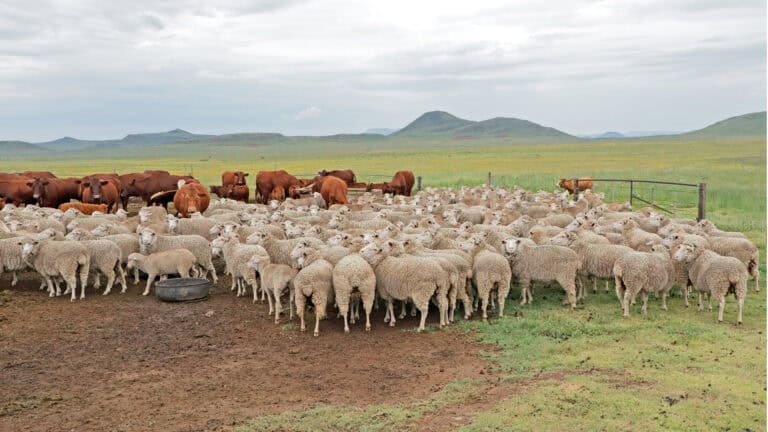
In some regions, prey species are heavily hunted for food, which reduces the available food base for wild cats. This can force predators to travel further, expend more energy, or turn to livestock, increasing the risk of human–wildlife conflict.
https://www.iucn.org/resources/issues-brief/bushmeat
Prey loss contributes to increased human–wildlife conflict
When natural prey becomes scarce, wild cats are more likely to hunt livestock or enter human-dominated areas. This increases the likelihood of retaliation and adds additional pressure to already vulnerable populations.
https://www.unep.org/resources/report/state-knowledge-human-wildlife-conflict
Ecosystem imbalance can affect long-term population stability
Healthy predator populations depend on stable prey populations. When prey declines, it can disrupt reproduction rates, territory size, and long-term survival. Maintaining balanced ecosystems is increasingly recognized as a key component of conservation planning.
https://www.worldbank.org/en/topic/environment/brief/biodiversity-and-ecosystems

0 Comments