
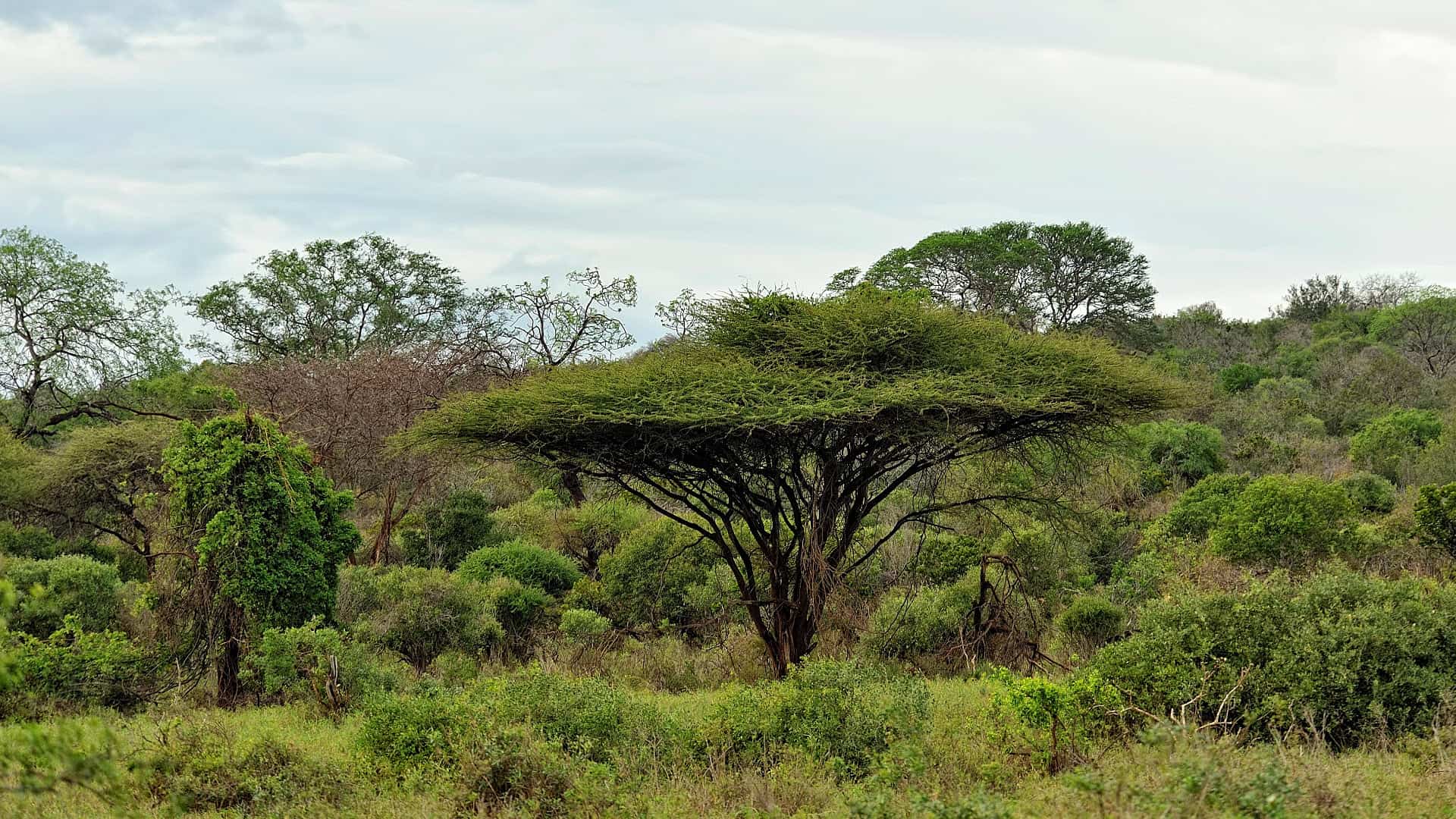
Rebuiliding Wildlife Habitats & Ecosystems
Habitat restoration is the process of repairing damaged ecosystems so they can once again support wildlife, natural processes, and biodiversity.
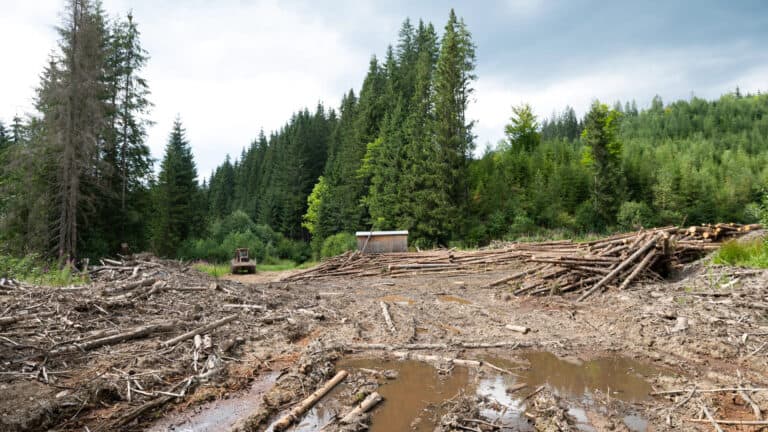
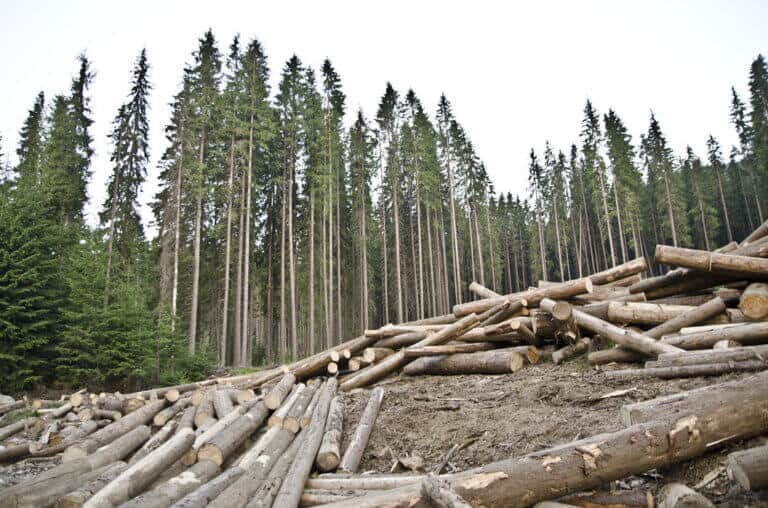
As habitats are lost or degraded due to deforestation, agriculture, urban development, and climate change, many species struggle to survive. Habitat restoration focuses on reversing that damage—rebuilding ecosystems so plants, animals, and ecological systems can recover over time.
It is a natural extension of habitat loss: instead of only protecting what remains, restoration works to bring ecosystems back.
How Habitat Restoration Works
Habitat restoration involves a range of actions depending on the ecosystem and the level of damage. These efforts aim to restore not just the appearance of a landscape, but how it functions.
- Reforestation: Planting native trees to rebuild forests and stabilize ecosystems.
- Ecosystem repair: Restoring soil health, water systems, and natural vegetation.
- Prey recovery: Reintroducing or protecting prey species so predators can return.
- Removing invasive species: Eliminating non-native plants or animals that disrupt ecosystems.
Successful restoration focuses on rebuilding ecological relationships—how species interact with each other and their environment.
Why It’s Important
Healthy habitats are the foundation of wildlife conservation. Without functioning ecosystems, even protected species may decline.
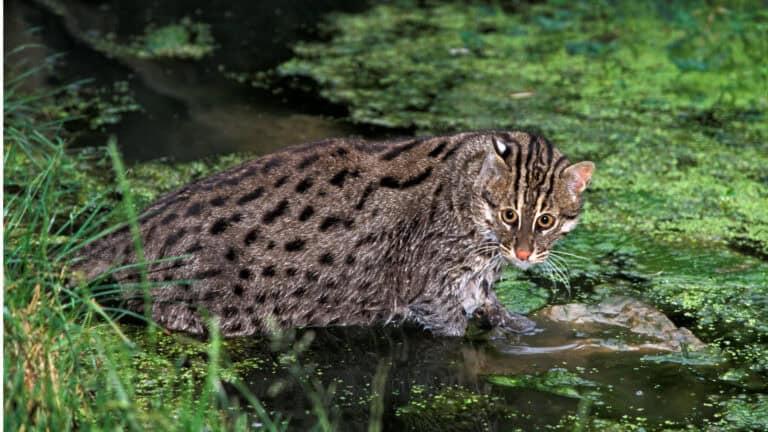
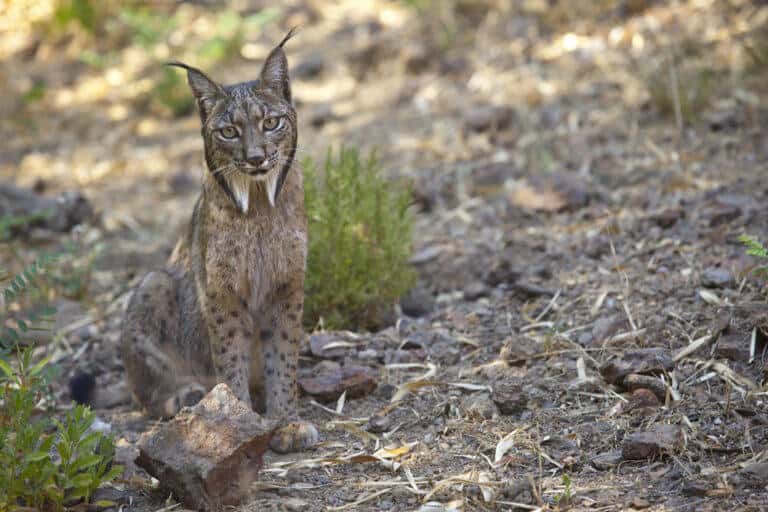
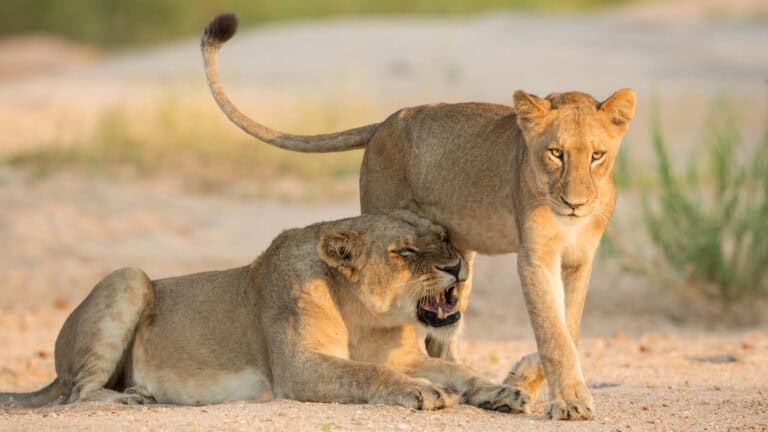
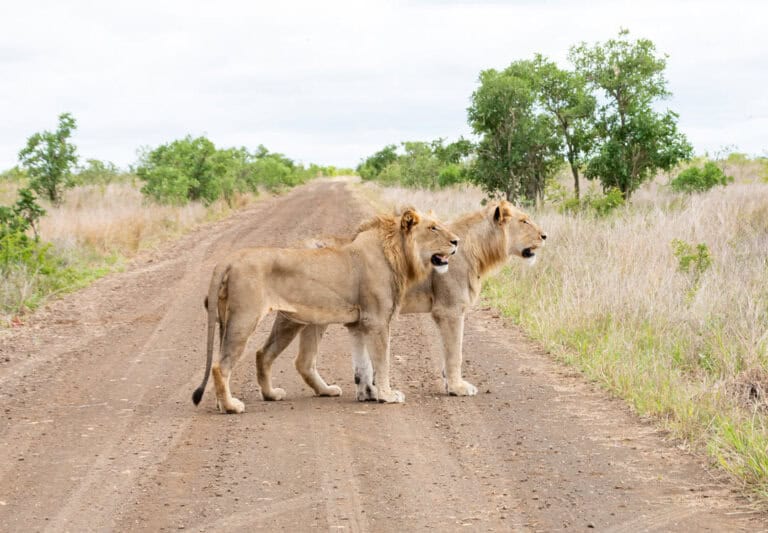
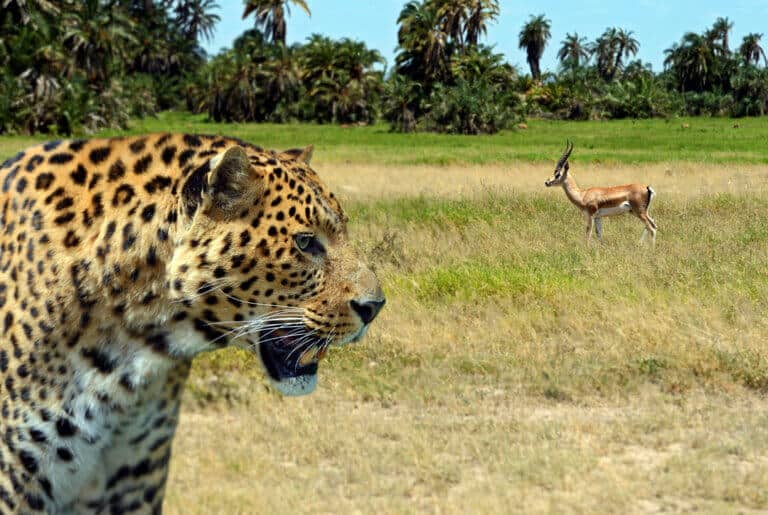
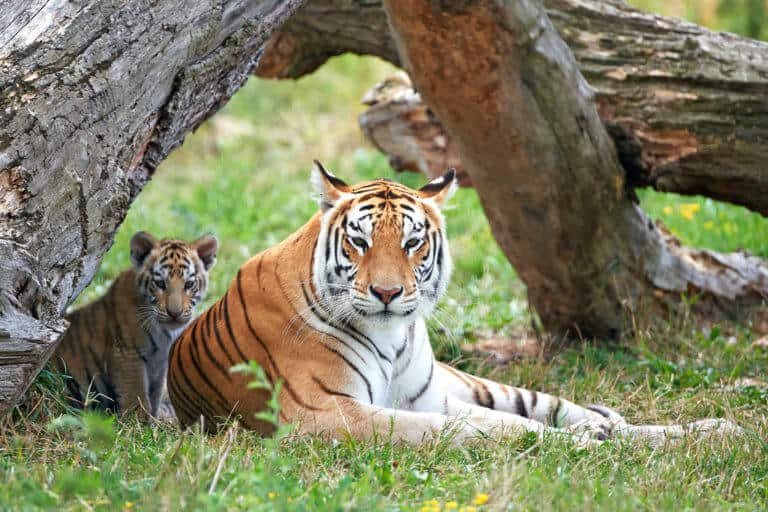
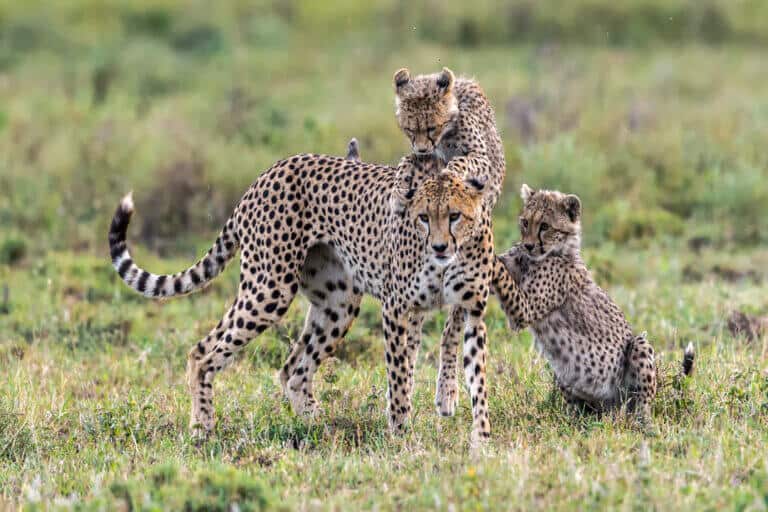
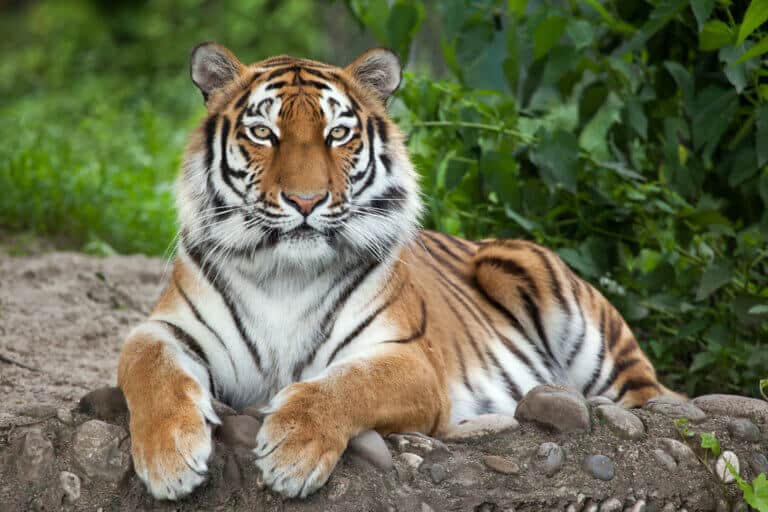
For example, large predators like wild cats depend on stable prey populations and intact landscapes. If prey disappears or habitats become fragmented, predators struggle to survive—even if they are legally protected.
Restoration helps rebuild these systems, allowing ecosystems to support life again over the long term.
Examples of Habitat Restoration
Habitat restoration is happening across many different environments:
- Forest restoration projects: Replanting native trees in deforested areas to rebuild biodiversity.
- Wetland restoration: Reestablishing natural water flow to support fish, birds, and amphibians.
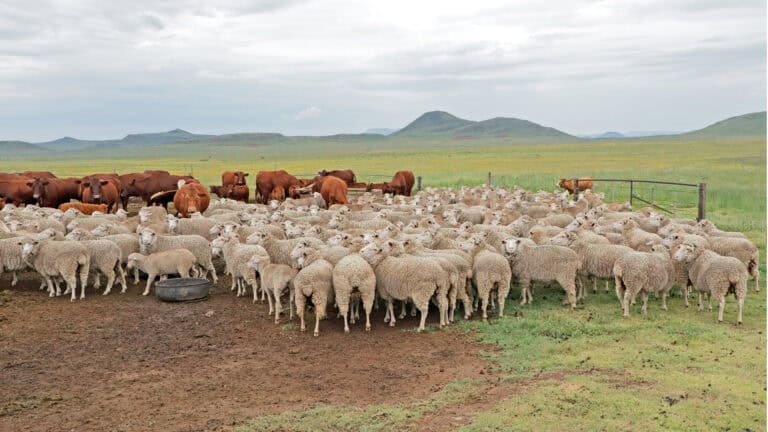
- Grassland recovery: Managing grazing and removing invasive plants to restore native ecosystems.
- Prey restoration programs: Reintroducing species like deer or antelope to support predator populations.
These efforts often take years or decades, but they can lead to lasting ecological recovery.
Challenges and Limitations
Restoring ecosystems is complex and time-consuming. Some habitats cannot be fully returned to their original state, especially after severe damage.
- Long timelines for recovery
- High costs and resource requirements
- Difficulty restoring full biodiversity
- Ongoing threats like climate change and development
Even so, restoration remains one of the most important tools for rebuilding ecosystems and supporting wildlife.
What Experts Are Saying
Recent reporting highlights the growing role of habitat restoration in global conservation efforts:
“Restoring ecosystems is one of the most powerful tools available to tackle biodiversity loss and climate change together.”
Source: https://www.unep.org/news-and-stories/story/ecosystem-restoration-key-biodiversity-climate
“Large-scale restoration projects are helping to bring back species and rebuild ecosystems once thought to be permanently damaged.”
Source: https://www.bbc.com/news/science-environment-restore-ecosystems-2025
Annual Habitat Restoration Update (2026)
Habitat restoration continues to expand as a global priority, supported by governments, conservation groups, and international initiatives. Several key developments have shaped progress over the past year:
Expansion of large-scale restoration initiatives: Global efforts under the UN Decade on Ecosystem Restoration are accelerating reforestation and ecosystem repair projects worldwide.
Source: https://www.decadeonrestoration.org/
Link between restoration and climate goals: Restoration projects are increasingly funded as climate solutions, recognizing the role of forests and ecosystems in carbon storage.
Source: https://www.worldbank.org/en/topic/environment/publication/ecosystem-restoration-climate
Focus on biodiversity recovery: Programs are prioritizing native species and ecological balance, rather than simply planting trees, to ensure long-term ecosystem health.
Source: https://www.iucn.org/resources/issues-briefs/ecosystem-restoration
Integration with local communities: Restoration projects are increasingly involving local communities to improve long-term success and sustainability.
Source: https://www.fao.org/ecosystem-restoration/en/


0 Comments