
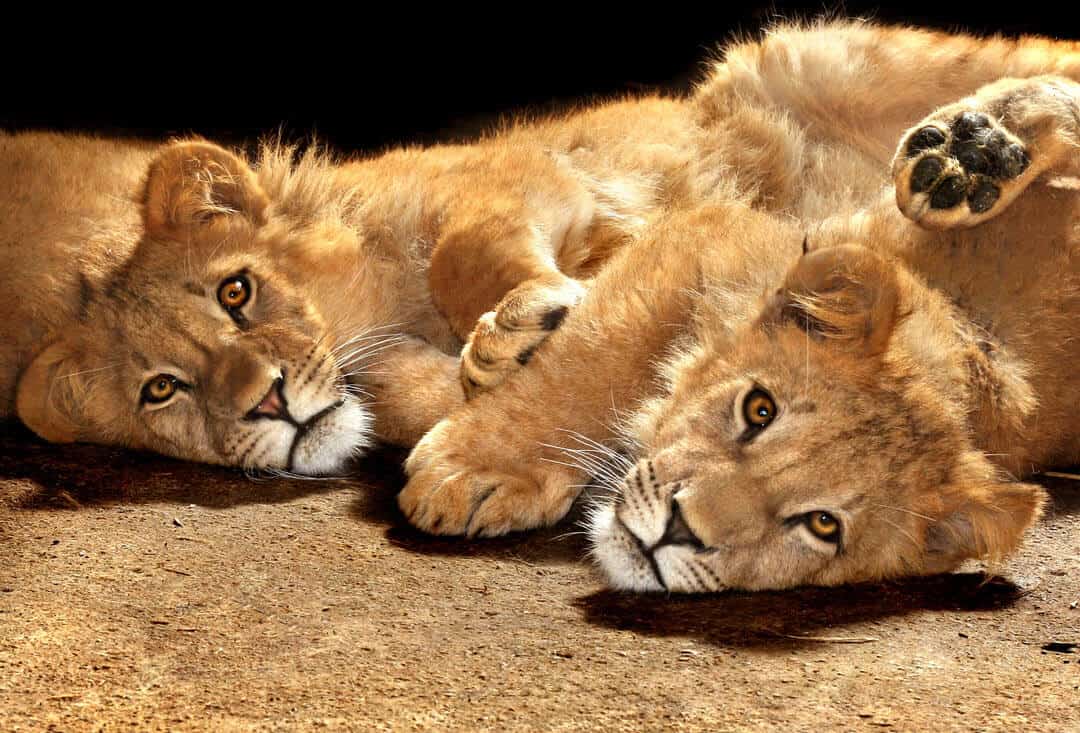
What is canned hunting?
Canned hunting, also known as captive hunting, is the confinement and killing of animals in enclosed areas where they have little or no chance of escape. The animals are often raised or held in controlled environments, and the outcome of the “hunt” is largely predetermined.
In many cases, hunters pay large sums of money to kill these animals. Lions are among the most commonly used species, and many are bred specifically for this purpose.
Canned lion hunting in Africa
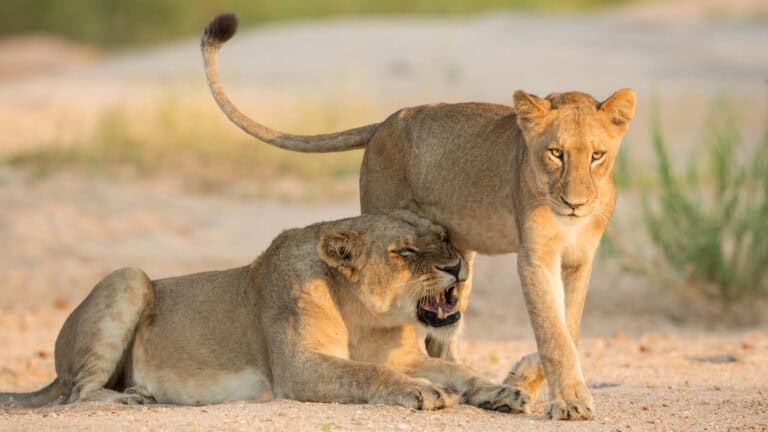
In South Africa, canned lion hunting has developed into a significant industry, generating tens of millions of dollars in revenue each year. Many of the lions used in these hunts are bred on farms.
When they are young, these lions are often used to attract tourists who pay to see, pet, and walk with them. Because they are bottle-fed and raised by humans, they do not develop a natural fear of people.
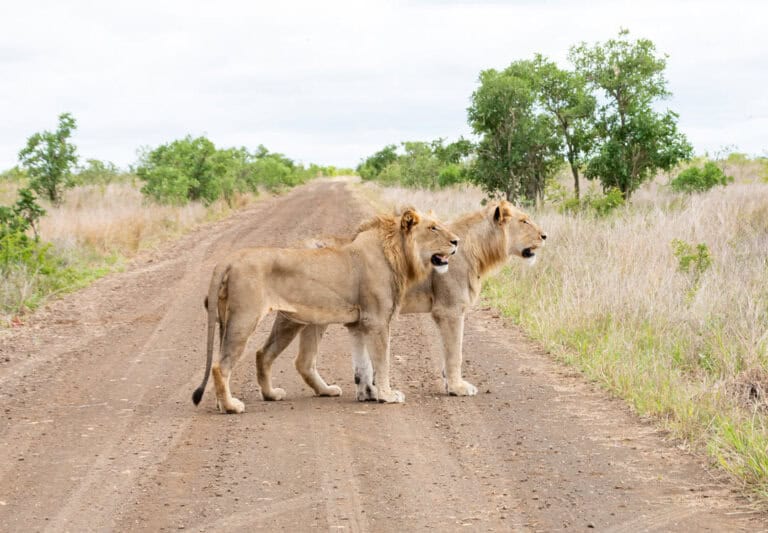
As the lions mature, they are no longer used for tourism. Instead, they are sold into canned hunting operations, where they are killed for trophies. Some are also used in the growing trade in lion bones.
Thousands of hunters from countries including the United States, the United Kingdom, Germany, France, and Spain travel to South Africa each year to participate in these hunts.
Captive breeding and the lion trade
“Moreson ranch is one of more than 160 farms legally breeding big cats in South Africa. More lions are held in captivity (upwards of 5,000) in the country than live wild (about 2,000). While the owners of this ranch insist they do not hunt and kill their lions, animal welfare groups say most breeders sell their stock to be shot dead by wealthy trophy-hunters from Europe and North America, or for traditional medicine in Asia.”
https://www.theguardian.com/environment/2013/jun/03/south-africa-canned-lion-hunting
The Cook Report
From Roger Cook’s investigation into canned lion hunting:
“So-called ‘canned hunting’ involves unfairly preventing the target animal from escaping the hunter, eliminating ‘fair chase’ and guaranteeing the hunter a trophy – for which he will have paid up to £25,000. The animal is confined to a small enclosure or has lost its fear of humans as a result of hand-rearing. Some are even tranquilized.”
“There are fewer than 3,000 lions left in the wild in South Africa, but more than 8,000 in captivity, being bred exclusively to be shot. Some volunteers have been misled into believing they are helping conservation, when in reality the animals are being raised for hunting.”
This reporting helped bring international attention to the issue, although the practice continues today in various forms.
What canned hunting really means
Canned hunting is often described as a form of hunting, but it removes the core elements that define hunting in the wild.
In natural environments, animals survive through awareness, movement, and learned behavior. They know their territory, respond to danger, and have a role within a larger ecosystem.
In canned hunting, those elements are removed. The animal is placed in a confined or controlled setting where its ability to escape is limited or eliminated. The outcome is no longer uncertain.
This is not defined by the presence of an animal, but by the absence of choice.
When the outcome is controlled, the relationship between humans and wildlife changes. The animal is no longer part of a living system. It becomes something that is produced, contained, and used.
This is why canned hunting raises broader questions beyond legality. It reflects a way of viewing wildlife not as part of an ecosystem, but as something separate from it.
For many people, the concern is not only about the individual animal. It is about what it represents—how humans choose to interact with living things, and whether those interactions respect the difference between wild animals and controlled environments.
Solutions to canned hunting
Reducing canned hunting depends on stronger regulation, enforcement, and public awareness of how these operations work.
- Stronger laws and enforcement: Ban or restrict captive hunting and regulate breeding facilities
- End cub petting and related tourism: Reduce the pipeline that supplies animals to canned hunts
- Consumer awareness: Educate travelers and hunters about how these operations function
- Support ethical conservation: Direct funding toward wildlife protection efforts that operate in natural ecosystems
Annual Canned Hunting Update (2026)
Canned hunting remains a controversial and closely monitored issue, particularly in parts of southern Africa. Recent developments reflect ongoing debates around regulation, international pressure, and the role of captive wildlife industries.
Policy changes continue to target captive lion industries
South Africa has continued efforts to phase out aspects of its captive lion industry, including breeding and associated activities linked to canned hunting. Government-led reviews and policy discussions have focused on reducing or restructuring the industry, though implementation remains complex and ongoing.
https://www.reuters.com/world/africa/south-africa-moves-restrict-captive-lion-industry-2024-04-28/
International restrictions are influencing hunting markets
Several countries have introduced or expanded restrictions on the import of hunting trophies, including lions and other large mammals. These policies are affecting demand by limiting the ability of hunters to transport trophies across borders, which in turn impacts industries connected to captive hunting.
https://www.bbc.com/news/world-europe-66170125
Captive breeding and hunting practices remain under scrutiny
Investigations and reporting continue to highlight conditions within captive breeding facilities and their connection to hunting operations. Concerns focus on animal welfare, transparency, and how these systems are regulated, with ongoing calls for clearer oversight and enforcement.
https://www.theguardian.com/environment/2024/jan/15/captive-lion-industry-investigation-south-africa
Debate continues over conservation impact
There is ongoing debate about whether captive hunting operations contribute to conservation funding or undermine it. Some stakeholders argue that regulated hunting can generate revenue, while others question whether captive systems provide meaningful conservation benefits. This debate remains unresolved and continues to shape policy discussions.



STOP!!! Would you like to raised just to be killed. You are HORRIBLE!!!!!