

Protecting Wild Cats from Illegal Hunting
Anti-poaching efforts are one of the most direct ways to protect wild cats from illegal hunting and wildlife trafficking. These efforts focus on preventing animals from being killed in the first place, rather than trying to recover populations after they have declined. Because poaching often occurs in remote areas and can be highly organized, effective protection requires a combination of on-the-ground patrols, technology, and coordinated enforcement. Together, these approaches help reduce illegal activity and give wild cat populations a better chance to survive.
How anti-poaching initiatives work
Anti-poaching efforts are built around monitoring wildlife, detecting illegal activity, and responding quickly when threats are identified. No single method is enough on its own. Most successful conservation strategies combine several approaches, depending on the region, terrain, and level of risk.
Key types of anti-poaching efforts
Ranger Patrols
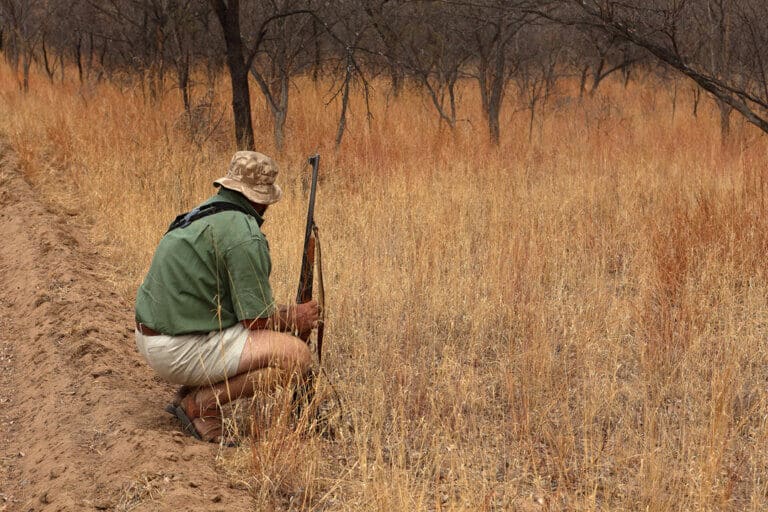
Ranger patrols are the foundation of anti-poaching work. Trained teams monitor protected areas, remove snares, track illegal activity, and respond to threats in real time. In many regions, rangers operate in difficult conditions with limited resources, making their role both challenging and essential.
Surveillance and Monitoring
Technology is increasingly used to support anti-poaching efforts. Camera traps, drones, GPS tracking, and satellite monitoring help detect activity across large areas. These tools allow conservation teams to identify patterns, monitor high-risk zones, and respond more effectively.
Intelligence and Enforcement
Poaching is often part of larger illegal networks. Anti-poaching efforts now include intelligence gathering, coordination with law enforcement, and efforts to disrupt wildlife trafficking at multiple levels—from local poachers to international trade routes.
Community Involvement
In some areas, local communities play a key role in reducing poaching. Programs that provide alternative income, education, or incentives for conservation can reduce reliance on illegal hunting and improve long-term outcomes.
Why anit-poaching efforts are important
Poaching can quickly reduce wild cat populations, especially for species with low reproduction rates. Even small increases in illegal hunting can have long-term impacts. Anti-poaching efforts help stabilize populations, protect breeding individuals, and support broader conservation strategies such as habitat protection and species recovery.
Annual Anti-Poaching Update (2026)
Anti-poaching efforts continue to evolve as conservation groups and governments respond to increasingly organized wildlife crime and changing environmental pressures.
Ranger programs are expanding but remain under-resourced
Many countries have increased investment in ranger training and equipment, recognizing their role as the first line of defense. However, in several regions, ranger teams still face shortages in staffing, funding, and safety support.
https://www.worldbank.org/en/topic/environment/publication/analysis-of-global-ranger-workforce
Technology is improving detection and response
The use of drones, satellite tracking, and real-time monitoring systems is becoming more common. These tools allow conservation teams to identify high-risk areas and respond more quickly to illegal activity, improving overall effectiveness.
https://www.unep.org/news-and-stories/story/how-technology-helping-fight-wildlife-crime
Wildlife crime remains a global issue
Illegal wildlife trade continues to generate billions of dollars annually, making it one of the largest forms of organized environmental crime. Big cats remain targeted for skins, bones, and other products, keeping pressure on vulnerable populations.
https://www.unodc.org/unodc/en/wildlife-and-forest-crime/overview.html
Snaring remains a widespread threat
In many regions, wire snares are still one of the most common and dangerous forms of poaching. These traps are inexpensive, difficult to detect, and can indiscriminately kill wildlife, including wild cats and their prey.
https://www.iucn.org/resources/issues-brief/snaring








0 Comments