
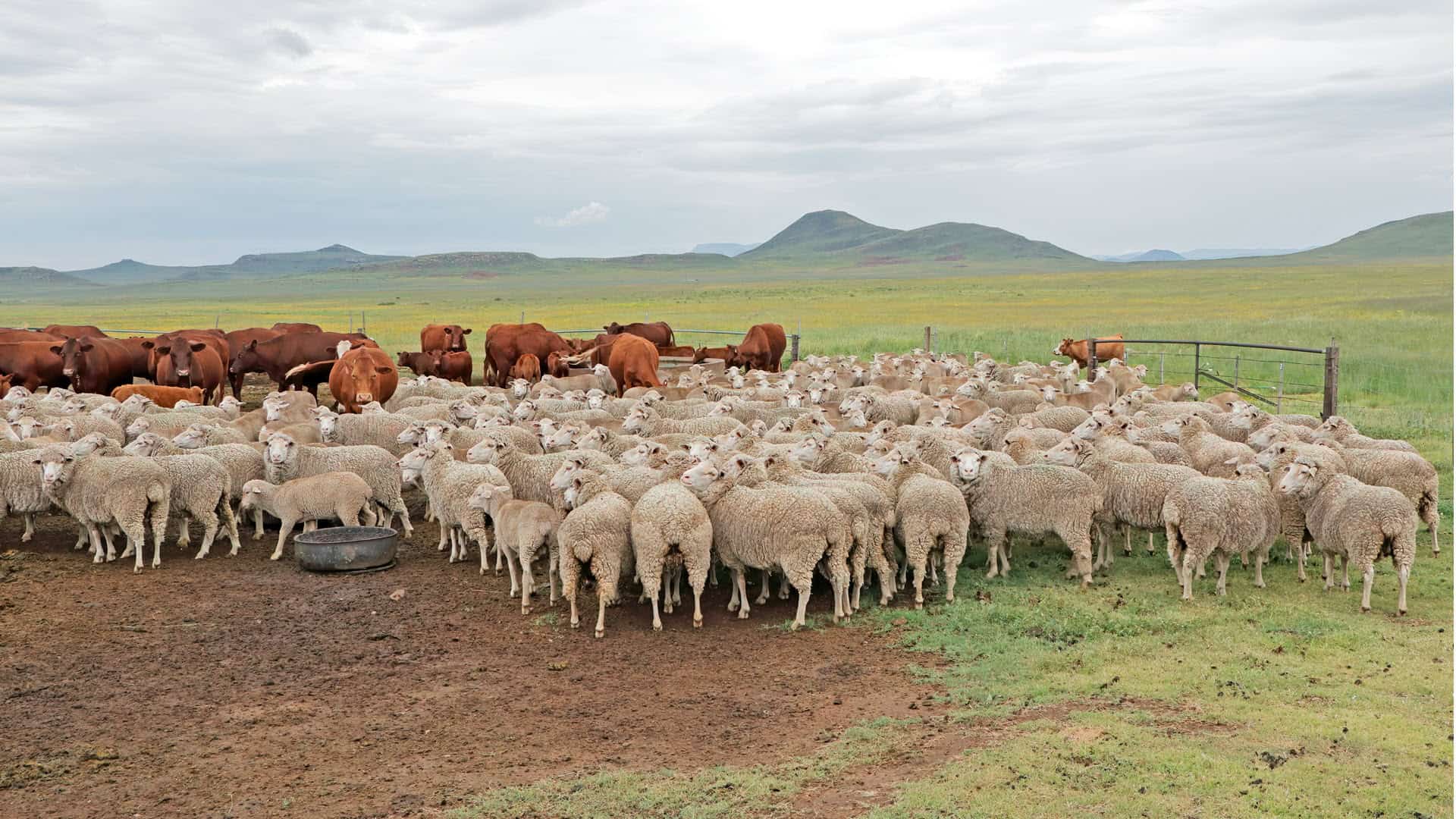
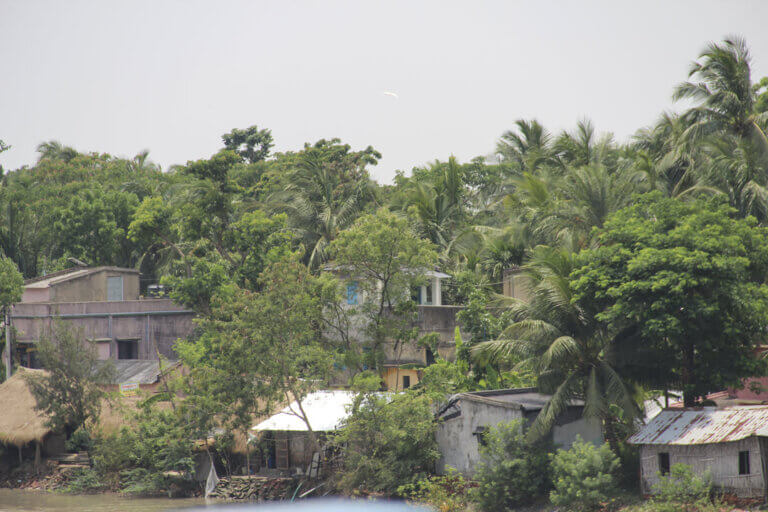
In many parts of the world, communities share land with wild animals every day. These communities may depend on that land for farming, livestock, water, and resources. Conservation efforts that ignore these needs often fail. Community-based conservation aims to find solutions that support both people and wildlife at the same time.
What is community-based conservation?
Community-based conservation is an approach to protecting wildlife. It involves the development of conservation plans and programs that benefit both the environment and the community. Instead of focusing only on animals or protected areas, it recognizes that the people living near wildlife are a key part of conservation success.
Why community-based conservation is important
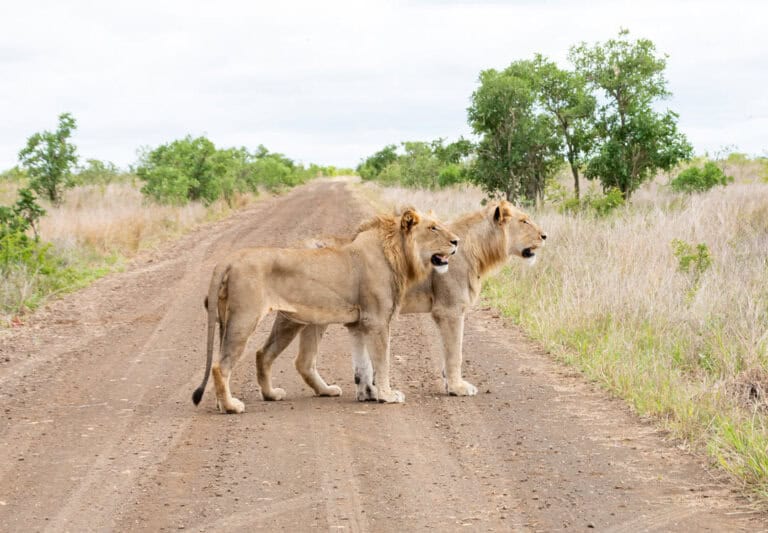
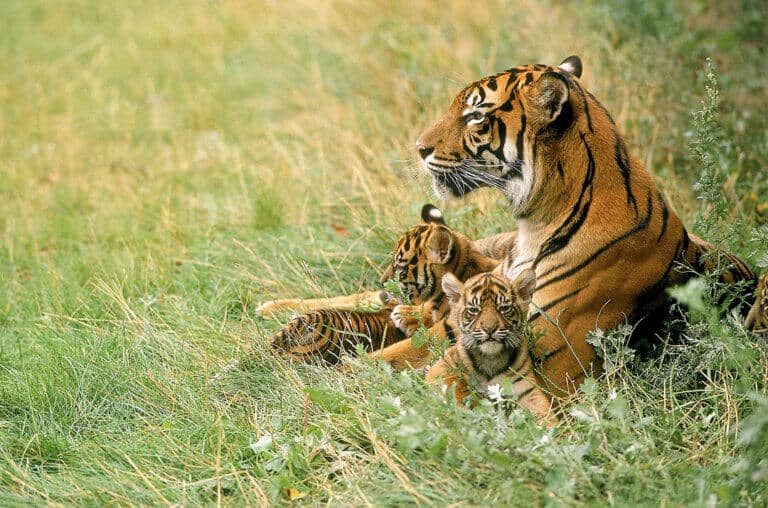
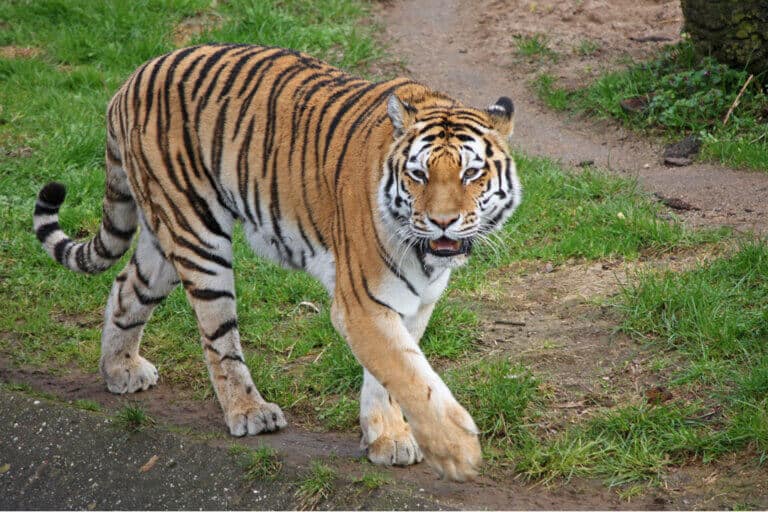
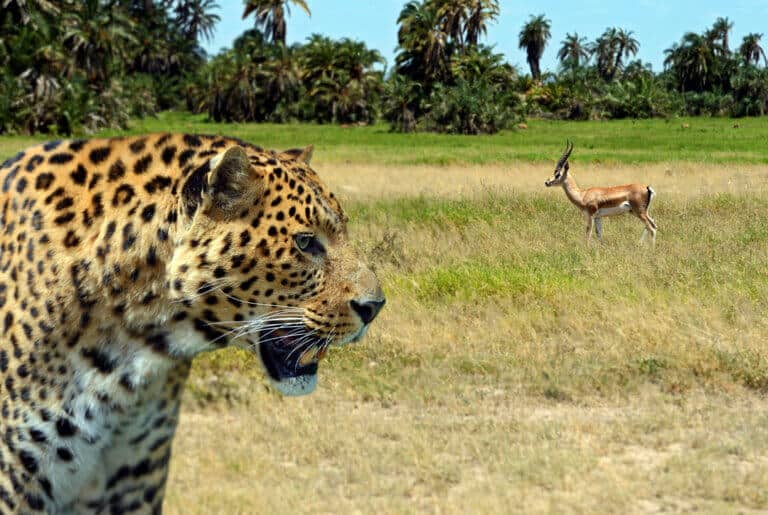
Wildlife does not exist in isolation. Large animals like lions, elephants, and leopards often move outside protected areas and into human landscapes. This can lead to conflict, especially when animals damage crops or attack livestock.
If local communities are negatively affected by wildlife, they may have little reason to support conservation. In some cases, animals may be driven away or killed in response.
Community-based conservation helps efforts to protect wildlife by:
- Involving local people in decision-making
- Sharing the benefits of conservation
- Reducing the costs of living near wildlife
When communities see value in protecting wildlife, conservation becomes more effective.
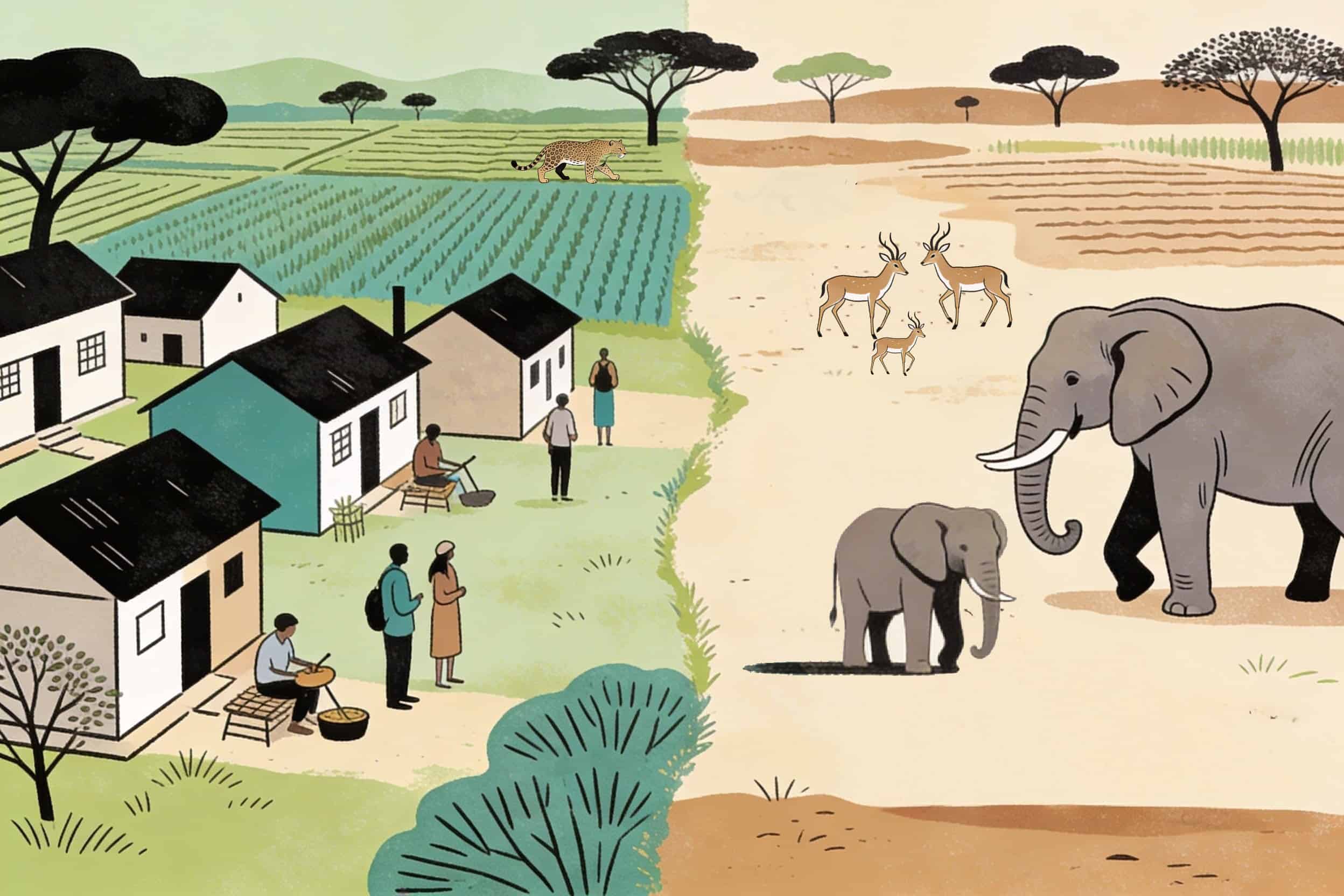
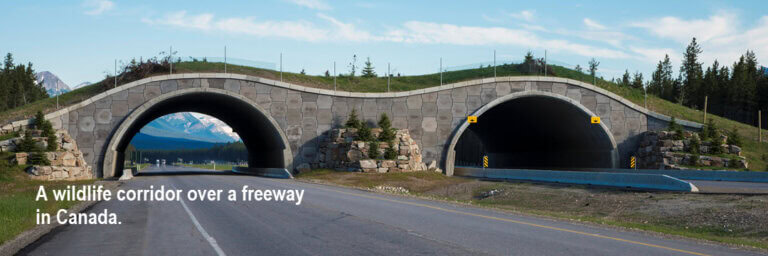
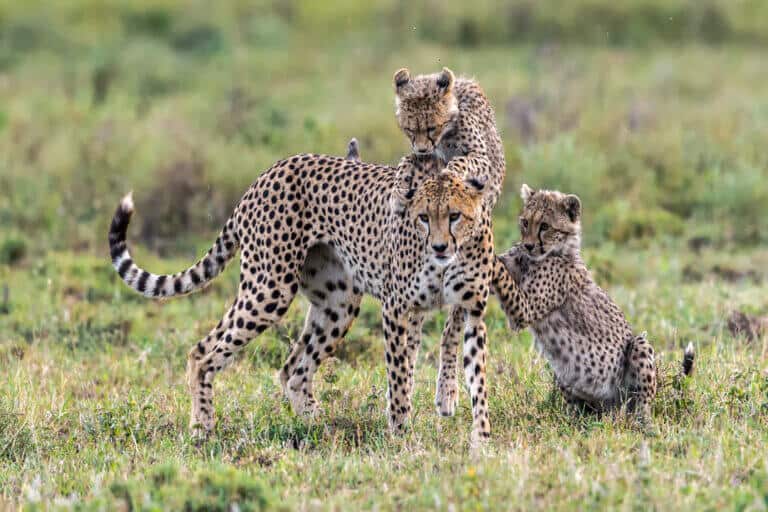
Wild animals often move through farmland and community areas.
Creating partnerships
A key part of community-based conservation is building partnerships between:
- Local communities
- Conservation organizations
- Governments
These partnerships help ensure that conservation plans reflect local knowledge and real-world conditions. People who live in these environments often understand animal behavior, seasonal changes, and landscape use better than anyone else.
In many programs, local residents are also involved in:
- Wildlife monitoring
- Anti-poaching efforts
- Habitat protection
This creates a sense of ownership and shared responsibility.
Compensation programs
One of the biggest challenges in conservation is human-wildlife conflict. For example, a farmer may lose livestock to predators or crops to elephants. These losses can be significant.
Compensation programs are designed to help offset these costs. They may include:
- Payments for livestock losses
- Insurance-style systems
- Support for rebuilding fences or infrastructure
When communities are compensated fairly and reliably, they are less likely to retaliate against wildlife.
However, these programs must be carefully managed. If payments are slow or inconsistent, trust can break down quickly.
Conservation incentives
In addition to compensation, many programs provide positive incentives for conservation.
These may include:
- Revenue from eco-tourism
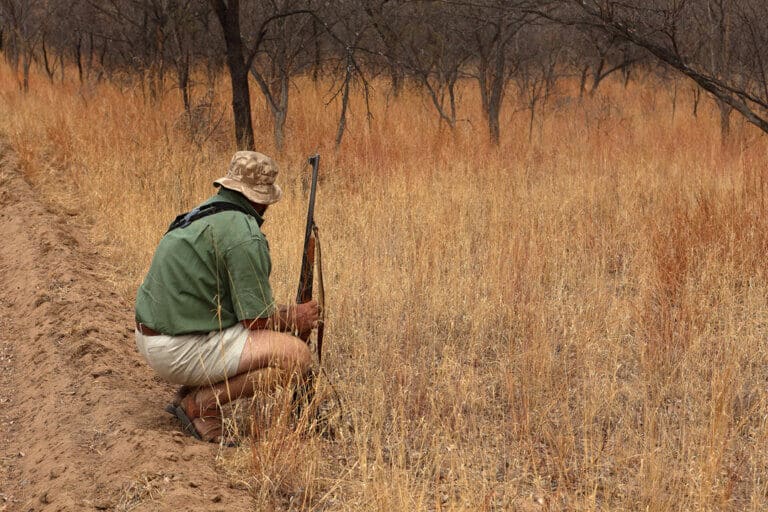
- Jobs in conservation (rangers, guides, researchers)
- Support for schools, healthcare, or community projects
When communities benefit directly from conservation, wildlife becomes an asset rather than a burden.
For example, areas with successful eco-tourism programs often see increased support for protecting species and habitats, because local people share in the economic benefits.
Challenges and limitations
Community-based conservation is not a simple solution. It requires:
- Long-term commitment
- Fair distribution of benefits
- Strong governance and trust
In some cases, conflicts can still arise over land use, resource access, or how benefits are shared within a community.
Despite these challenges, many conservation efforts today recognize that lasting success depends on people as much as it does on wildlife.
Annual Community-Based Conservation Update (2026)
Community-based conservation continues to play a growing role in global conservation efforts. In 2025 and early 2026, new programs and policy discussions have reinforced the importance of working with local communities to protect wildlife and ecosystems.
- Increased global focus on local stewardship: Conservation strategies are placing greater emphasis on Indigenous and local communities as long-term stewards of biodiversity. Many initiatives now support community-led land management and decision-making. https://www.iucn.org/our-work/people-and-nature
- Growth of community-managed conservation areas: Community conservancies and locally managed protected areas continue to expand, particularly in Africa and Asia. These areas combine wildlife protection with sustainable land use and economic opportunities for local residents. https://www.worldwildlife.org/initiatives/community-based-conservation
- Improved approaches to human-wildlife conflict: New programs are refining compensation systems, livestock protection methods, and community monitoring to reduce conflict and improve coexistence between people and wildlife. https://www.unep.org/explore-topics/wildlife/what-we-do/preventing-human-wildlife-conflict
- Connection to global biodiversity targets: Efforts to protect 30% of land and sea by 2030 increasingly depend on partnerships with local communities. These partnerships are seen as essential for achieving conservation goals while supporting local livelihoods. https://www.cbd.int/gbf/

0 Comments