
International
The Convention on Biological Diversity (1993)
The Convention on Biological Diversity is a multilateral treaty with three goals: the conservation of biodiversity, the sustainable use of its components, and the fair and equitable sharing of benefits from genetic resources.
Convention on Migratory Species (CMS) – 1979
The Convention on the Conservation of Migratory Species of Wild Animals (CMS), also known as the Bonn Convention, is an international treaty that focuses on the protection of migratory species that move across national borders.
Migratory animals—such as birds, marine mammals, and some land species—depend on multiple habitats in different countries throughout their life cycles. Because these species cross borders, their survival depends on coordinated international conservation efforts.
CMS works by encouraging countries to cooperate in protecting species and their habitats, reducing barriers to migration, and addressing threats such as habitat loss, hunting, and environmental changes.
The convention includes agreements and action plans tailored to specific species or groups, helping ensure that conservation measures are applied consistently across regions.
CITES – Convention on International Trade of Endangered Species of Wild Fauna and Flora (1975)
The Convention on International Trade in Endangered Species of Wild Fauna and Flora (CITES) is an international treaty to protect plants and animals in the wild. It came into force in July 1975 after many years of discussion about the impact of international unregulated trade on the planet’s plants and animals. The current members of CITES are the European Union and 182 countries.
Ramsar Convention on Wetlands – 1971
The Ramsar Convention on Wetlands is an international treaty focused on the conservation and sustainable use of wetlands—ecosystems such as marshes, swamps, rivers, lakes, and coastal areas.
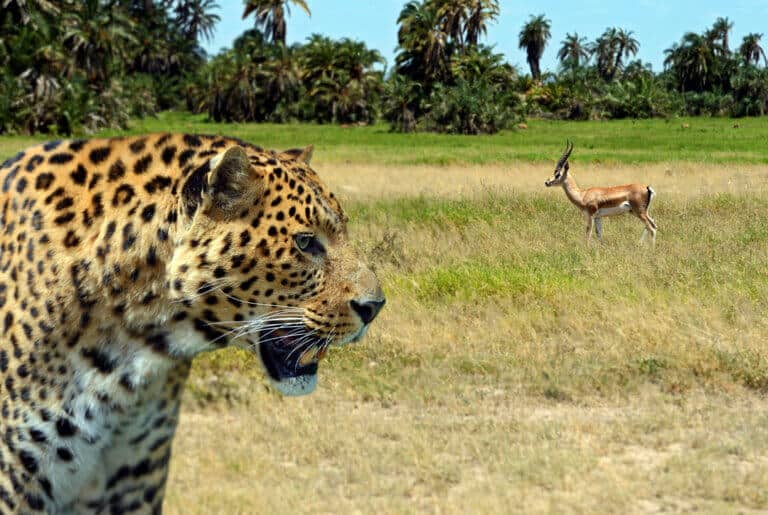
Wetlands are among the most productive ecosystems on Earth. They provide critical habitat for wildlife, including many species that serve as prey for wild cats and other predators. Wetlands also play an essential role in water filtration, flood control, and climate regulation.
The Ramsar Convention encourages countries to designate important wetlands as protected sites (known as Ramsar Sites) and to manage them sustainably. It also promotes international cooperation on shared water systems and migratory species that depend on wetlands.
By protecting wetlands, the convention helps maintain biodiversity, supports ecosystem stability, and benefits both wildlife and human communities.
Regional
European Union Habitats Direction (1992)
The Habitats Directive is a European Council Directive on conserving natural habitats, wild fauna, and flora. Its purpose is to “promote the maintenance of biodiversity, taking account of economic, social, cultural and regional requirements.”
United States of America
The Big Cat Public Safety Act was enacted December 20, 2022, to end the private ownership of big cats as pets and prohibit exhibitors from allowing public contact with big cats, including cubs. It also placed restrictions on the commerce, breeding, possession and use of some big cat species.
The Lacey Act, as amended in 1981 and 2008, prohibits the importation, exportation, transportation, sale, receipt, acquisition, or purchase of any fish or wildlife or plant taken, possessed, transported, or sold in violation of any law, treaty, or regulation of the United States.
The Endangered Species Act – USA (1973)
In the United States of America (USA), the need to protect wildlife began in the mid-twentieth century with the increasing loss of natural habitats due to the commercialization of farming and expansion of urban areas. The Endangered Species Act of 1973 provided a basic framework to protect threatened and endangered species and their habitat.
Marine Mammal Protection Act (MMPA) – 1972
The Marine Mammal Protection Act (MMPA) was enacted in 1972 to protect marine mammals such as whales, dolphins, seals, and sea lions in United States waters.
The law makes it illegal to “take” marine mammals, which includes harming, hunting, capturing, or killing them, except under limited and carefully regulated circumstances. It also regulates the import and export of marine mammals and their products.
The MMPA was one of the first laws to take an ecosystem-based approach to conservation. Instead of focusing only on individual species, it recognizes the importance of maintaining healthy marine environments and stable populations.
The Act is enforced by two federal agencies:
• The National Oceanic and Atmospheric Administration (NOAA), which oversees whales and dolphins
• The U.S. Fish and Wildlife Service (USFWS), which oversees species like sea otters, walruses, and manatees
The MMPA also works alongside other laws, such as the Endangered Species Act, to provide additional protection for species at risk.
By protecting marine mammals and their habitats, the Act helps preserve ocean ecosystems that are critical to biodiversity, climate regulation, and human well-being.
Signed into law in 1966, it regulates the treatment of animals in research, teaching, exhibitions, transport, dealers, and breeders. The term “animal” means “any live or dead dog, cat, monkey (nonhuman primate mammal), guinea pig, hamster, rabbit, or such other warm-blooded animal,” with some exclusions. The United States Department of Agriculture’s Animal and Plant Health Inspection Service (APHIS) enforces and inspects z00s, circuses, aquariums, and petting zoos.







0 Comments