Overview
Wild cats belong to the family Felidae, a group of predators that have evolved over millions of years to hunt and survive in a wide range of environments. While they share common traits such as sharp retractable claws, keen senses, and strong hunting instincts, each species has developed its own adaptations based on where it lives. From the dense forests of Asia and South America to the deserts of Africa and the mountains of Central Asia, wild cats have spread across nearly every region of the world.
Although some species, like lions and tigers, are well known, most wild cats are smaller, more elusive, and rarely seen in the wild. Many are solitary and highly adaptable, able to survive in environments that larger predators cannot. Together, these species represent a diverse and often overlooked part of the animal kingdom, each playing a role in maintaining balance within its ecosystem.
Defining “big cats”
The term “big cats” generally refers to lions, tigers, leopards, and jaguars—the four species that can roar. A broader definition sometimes includes cheetahs, snow leopards, and cougars, although these species cannot roar.
Types of wild cats
Wild cats vary greatly in size, appearance, and behavior. The smallest species, such as the rusty-spotted cat, weigh just a few pounds, while the largest, like the tiger, can exceed 600 pounds. Some species are adapted to dense forests, others to deserts or high mountains.
Habitat
Each wild cat species is adapted to its environment. Long legs and large ears help some species hunt in open grasslands, while others have thick fur and compact bodies suited for cold mountain regions.
Conservation status
Many wild cat species are threatened by habitat loss, human conflict, and declining prey populations. Some, like the Iberian lynx, have made recoveries through conservation efforts, while others remain at risk.
______________________________
“The Felidae comprise a diverse group of carnivores that occupy a wide range of habitats and ecological niches worldwide.” – Source: Journal of Mammalogy (Oxford Academic)
______________________________
WILD CATS LIST
The Largest Cats
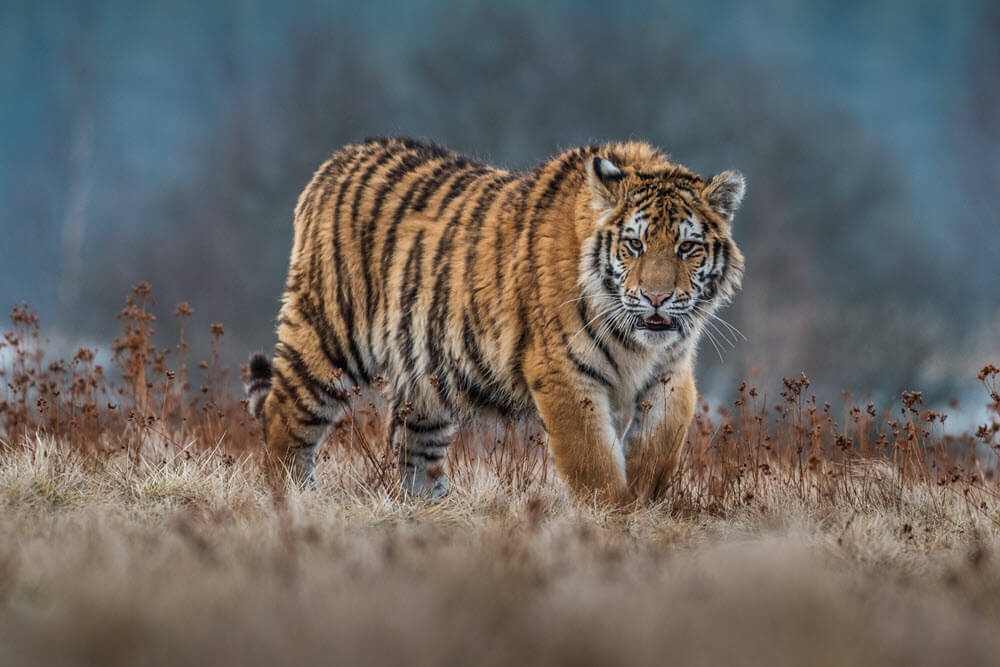
Tiger
Panthera tigris
The largest wild cat. Found in Asia and the Sunda Islands.
Subspecies:
- Panthera tigris tigris – includes the Bengal tiger, Siberian (Amur) tiger, South China tiger, Indochinese tiger, and Malayan tiger.
- Panthera tigris sondaica – Sumatran tiger.
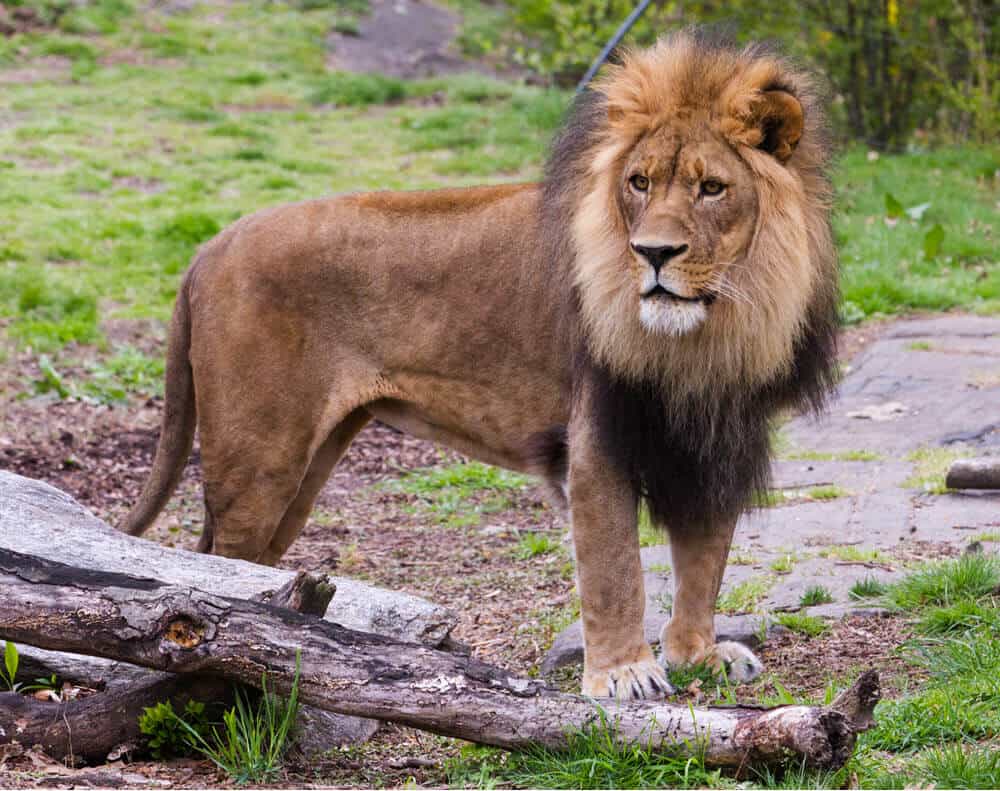
Lion
Panthera leo
The second-largest wild cat. Found in parts of Africa, with a small population in India.
Subspecies:
- Panthera leo leo – lions in West Africa and northern parts of Central Africa, as well as the Asiatic lion.
- Panthera leo melanochaita – lions in Southern Africa and East Africa.
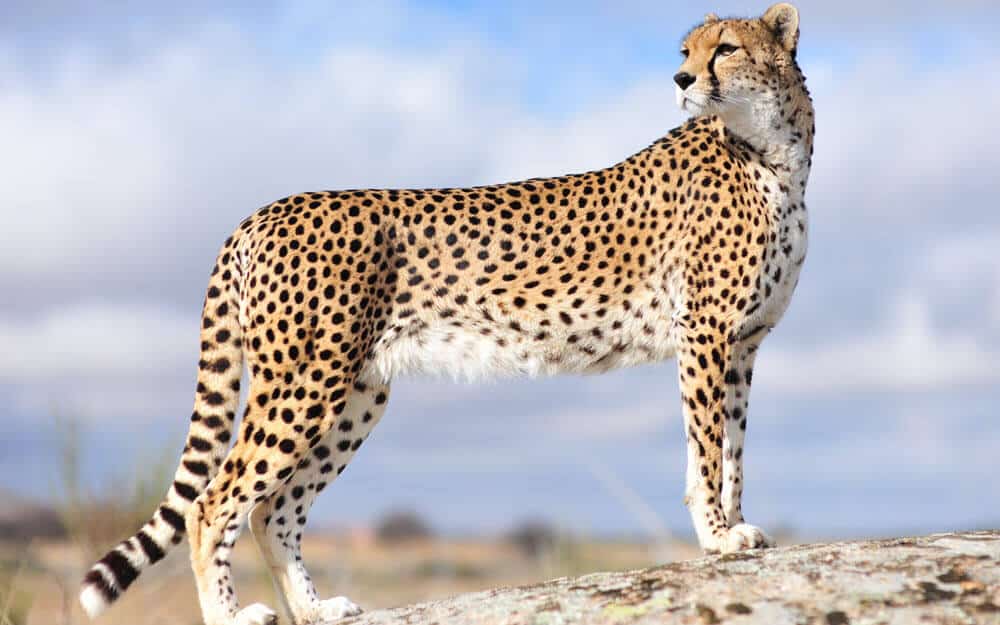
Cheetah
Acinonyx jubatus
Found in eastern and southern Africa, with a small population in Iran.
Subspecies:
- Asiatic cheetah (Acinonyx jubatus venaticus) – the only remaining Asian cheetah population.
- Northwest African cheetah (Acinonyx jubatus hecki)
- Southeast African cheetah (Acinonyx jubatus jubatus)
- Northeast African cheetah (Acinonyx jubatus soemmeringii)
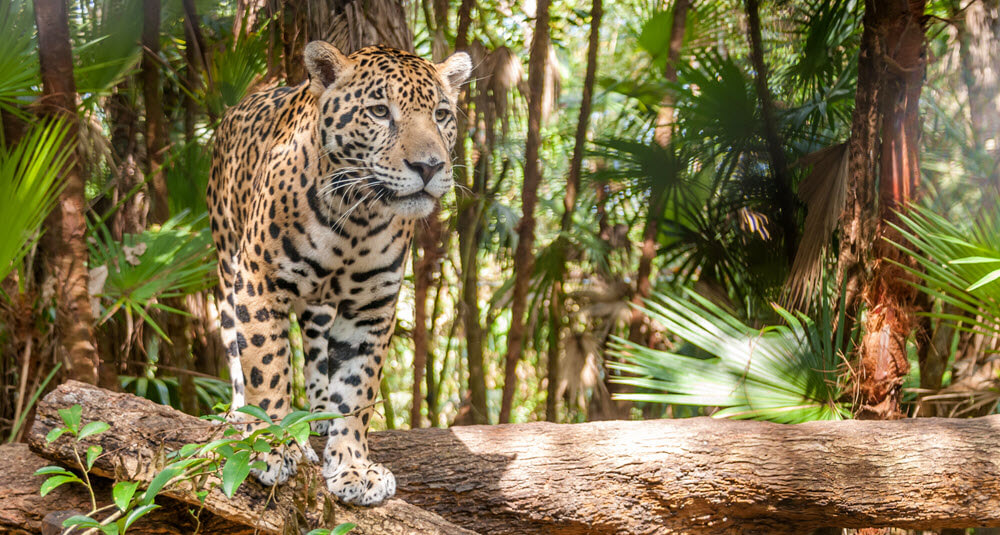
Jaguar
Panthera onca
Found in South and Central America. Rarely seen in the United States.
No subspecies.
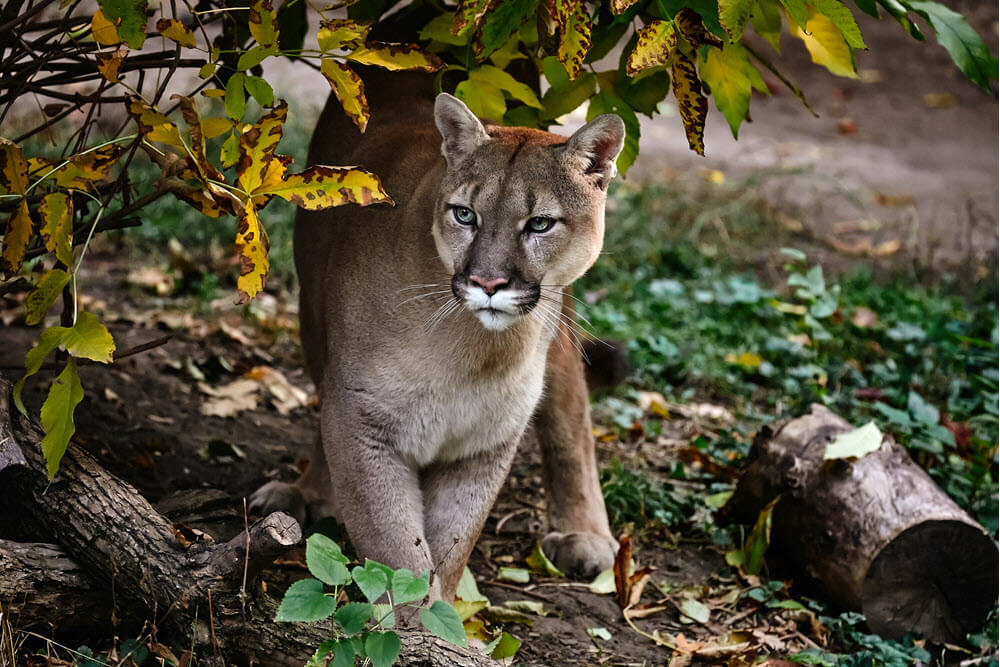
Cougar
Puma concolor
Found in North, Central, and South America.
Subspecies:
- North American cougar (Puma concolor couguar)
- Northern South American cougar (Puma concolor concolor)
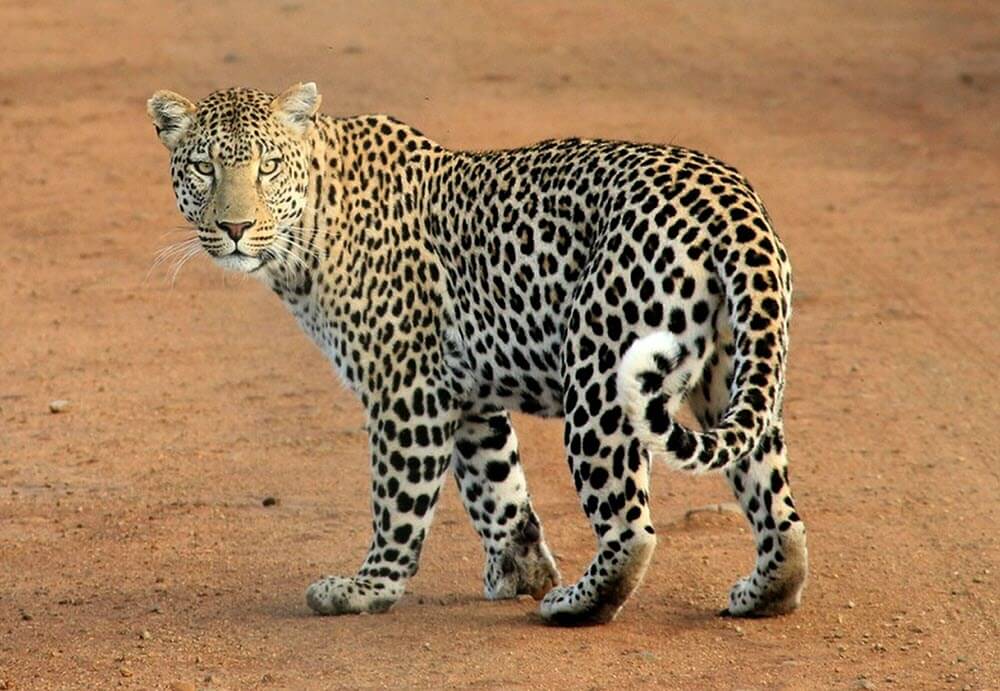
Leopard
Panthera pardus
Found in Africa, Asia, India, the Middle East, and the Malay Peninsula.
Subspecies:
- Indian leopard (Panthera pardus fusca)
- African leopard (Panthera pardus pardus)
- Javan leopard (Panthera pardus melas)
- Arabian leopard (Panthera pardus nimr)
- Anatolian leopard (Panthera pardus tulliana)
- Sri Lankan leopard (Panthera pardus kotiya)
- Indochinese leopard (Panthera pardus delacouri)
- Amur leopard (Panthera pardus orientalis)
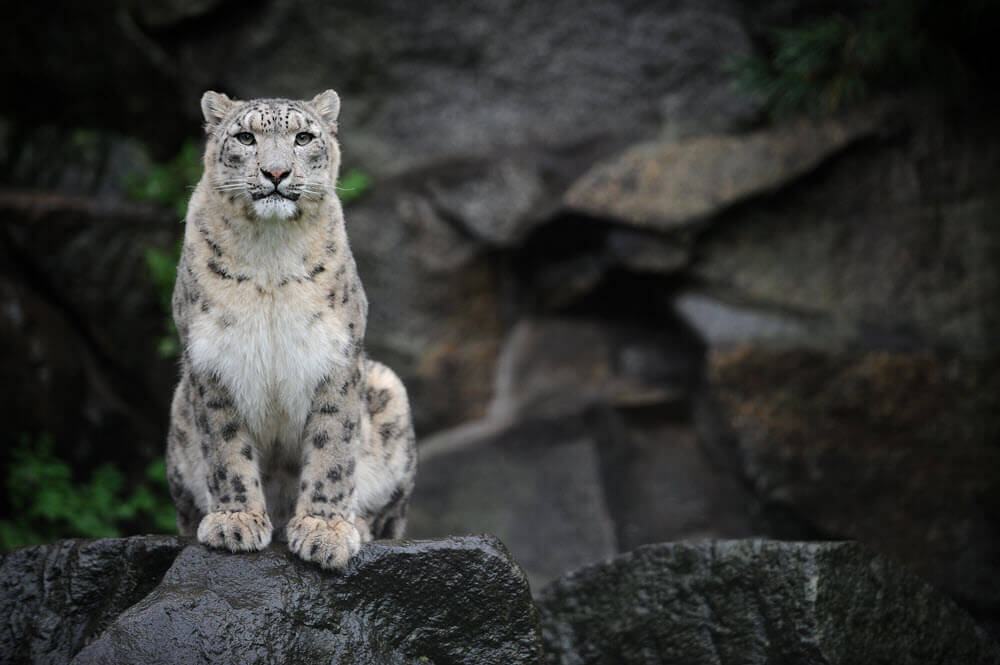
Snow Leopard
Panthera uncia
Found in southern and central Asia.
Proposed subspecies as of 2017:
- Panthera uncia uncia (Pamir Mountains)
- Panthera uncia irbis (Mongolia)
- Panthera uncia uncioides (Himalayas and northwestern China)
Medium-sized and Small Wild Cats
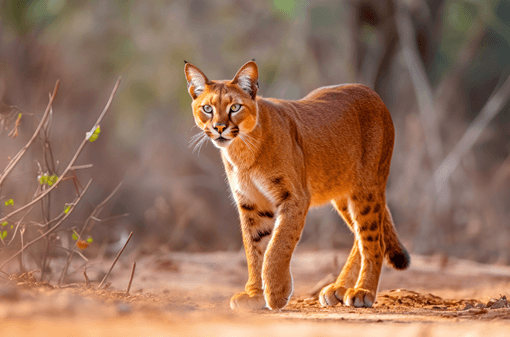
African Golden Cat
Caracal aurata
A rare forest-dwelling wild cat found in Central and West Africa. Its coat varies from reddish-brown to gray.
No subspecies.
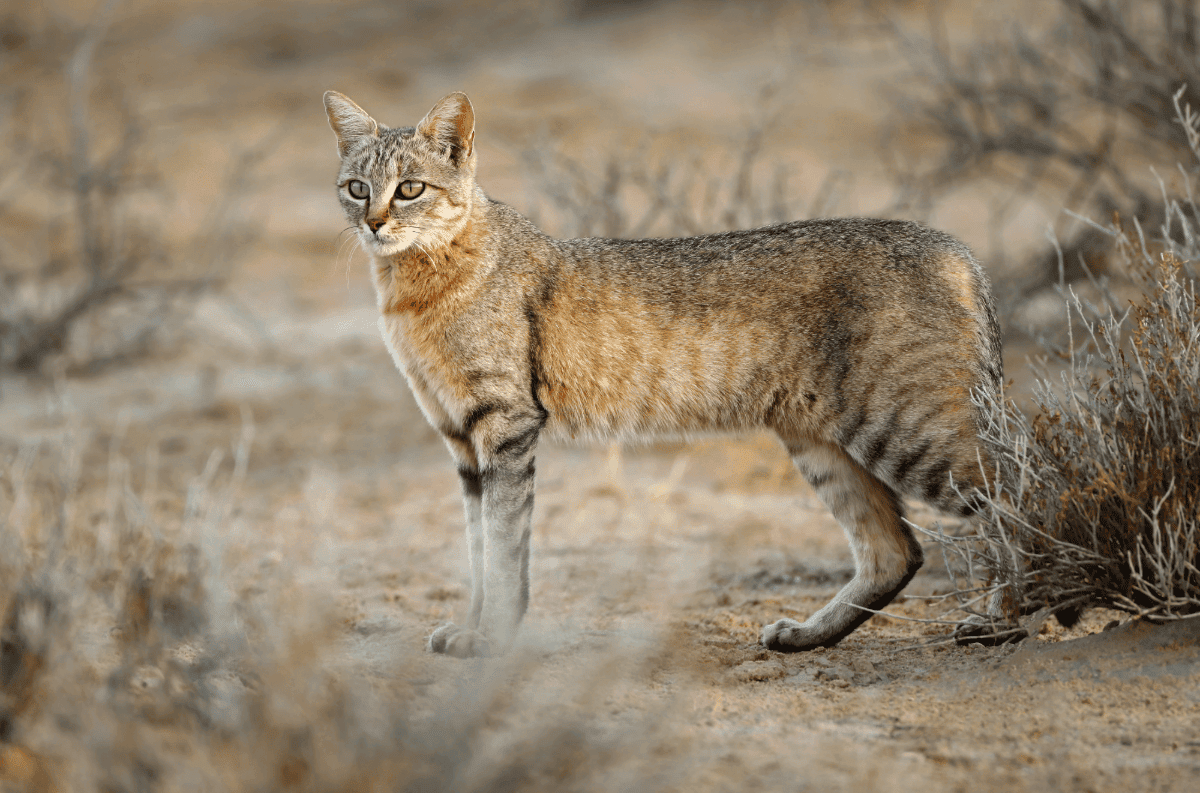
African Wildcat
Felis lybica
A small wild cat found in Africa and parts of Asia.
Subspecies:
- Felis lybica lybica
- Felis lybica cafra
- Felis lybica ornata
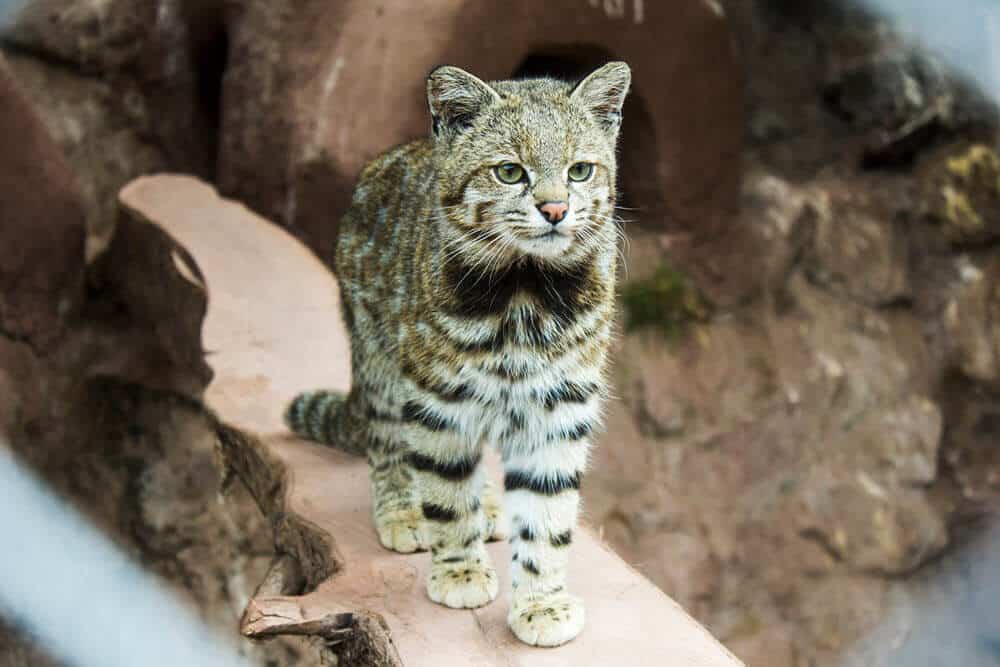
Andean Mountain Cat
Leopardus jacobita
A small wild cat found in the Andes of Argentina, Chile, and Bolivia.
No subspecies.
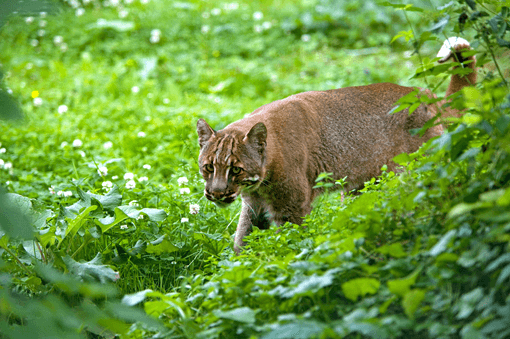
Asiatic Golden Cat
Catopuma temminckii
A medium-sized wild cat found across Southeast Asia. Its coat ranges from reddish-brown to gray, with some individuals showing faint markings.
No subspecies.
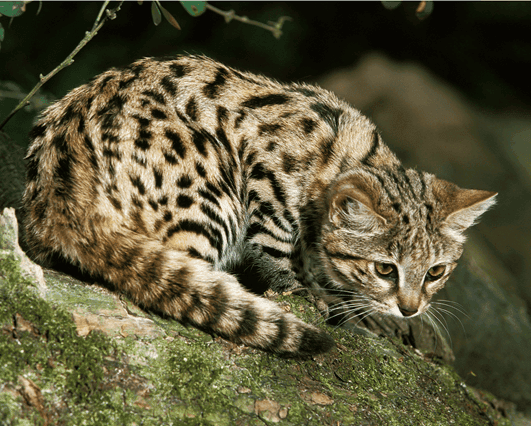
Black-footed Cat
Felis nigripes
A small wild cat found in South Africa, Namibia, and Botswana.
No subspecies.
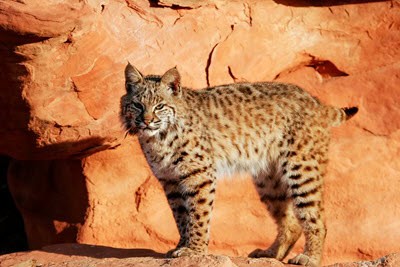
Bobcat
Lynx rufus
A medium-sized wild cat found from southern Canada to Mexico.
Subspecies:
- Lynx rufus rufus
- Lynx rufus fasciatus
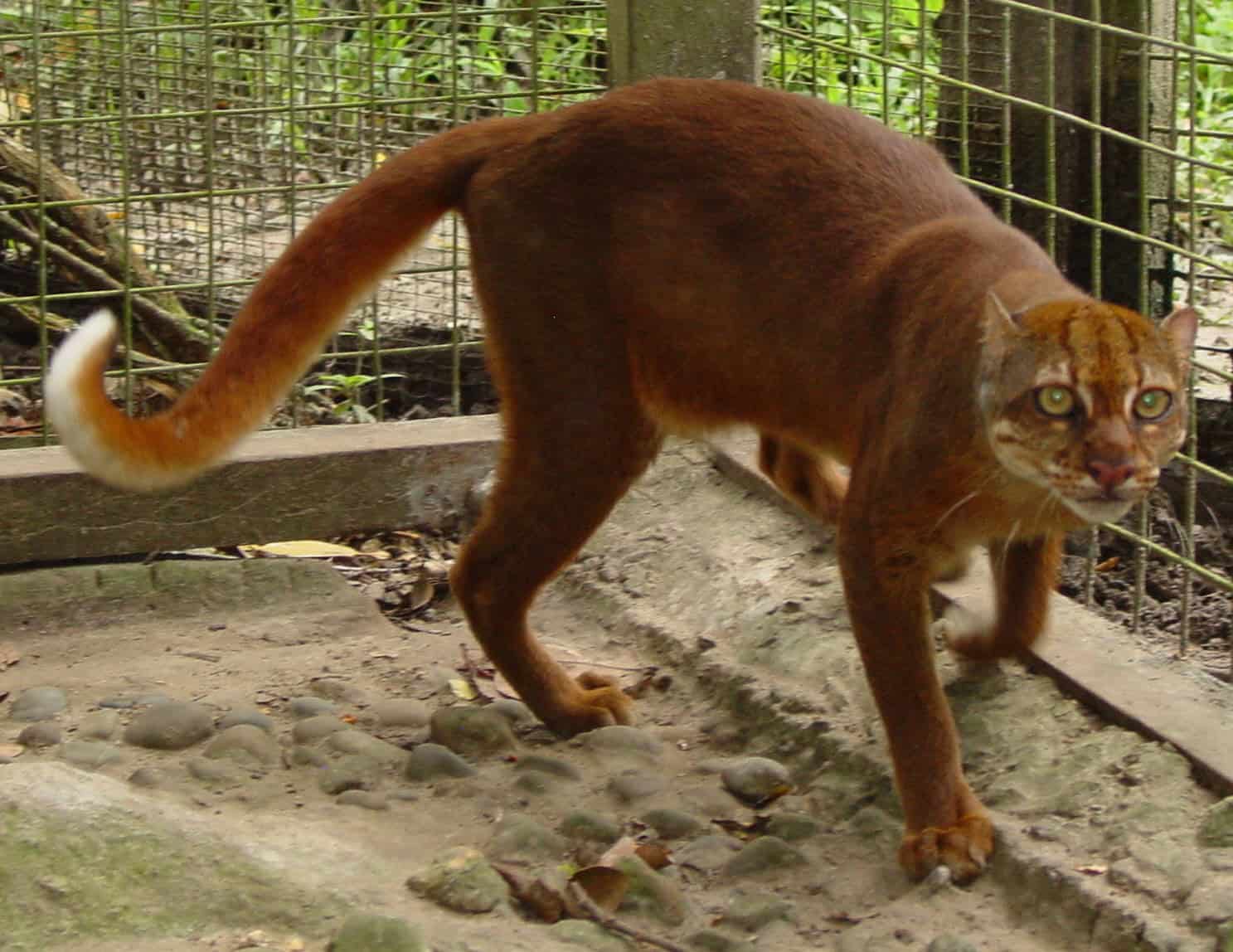
Bornean Bay Cat
Catopuma badia
A rare small wild cat native to the island of Borneo.
No subspecies.
Photo: Jim Sanderson, via Wikimedia Commons (CC BY-SA 3.0)
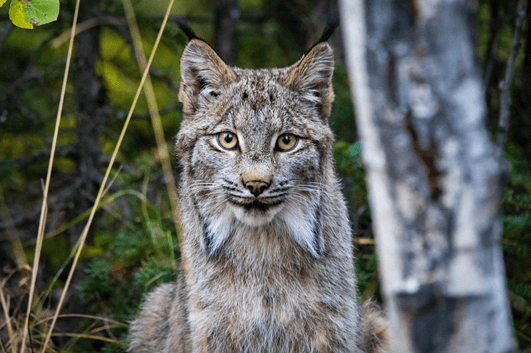
Canada Lynx
Lynx canadensis
A medium-sized wild cat found in Canada and the northern United States.
No subspecies.
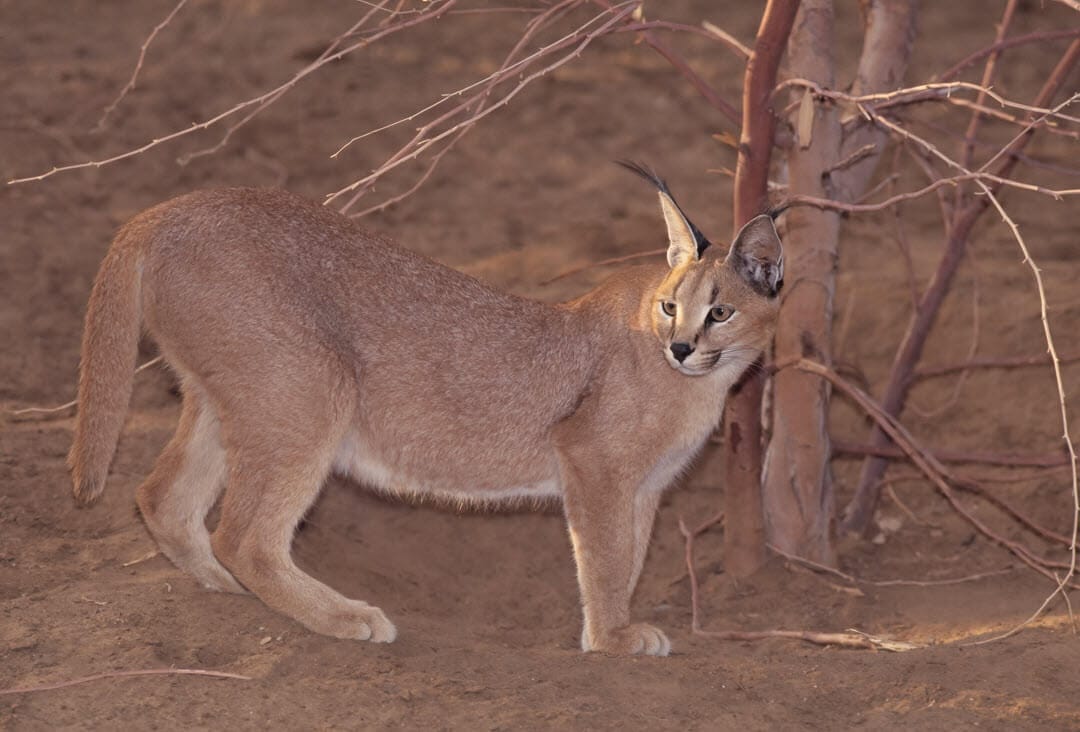
Caracal
Caracal caracal
A medium-sized wild cat known for its long black ear tufts and powerful jumping ability. It is found in Africa, the Middle East, and parts of Asia.
Subspecies:
- Caracal caracal caracal
- Caracal caracal nubicus
No subspecies.
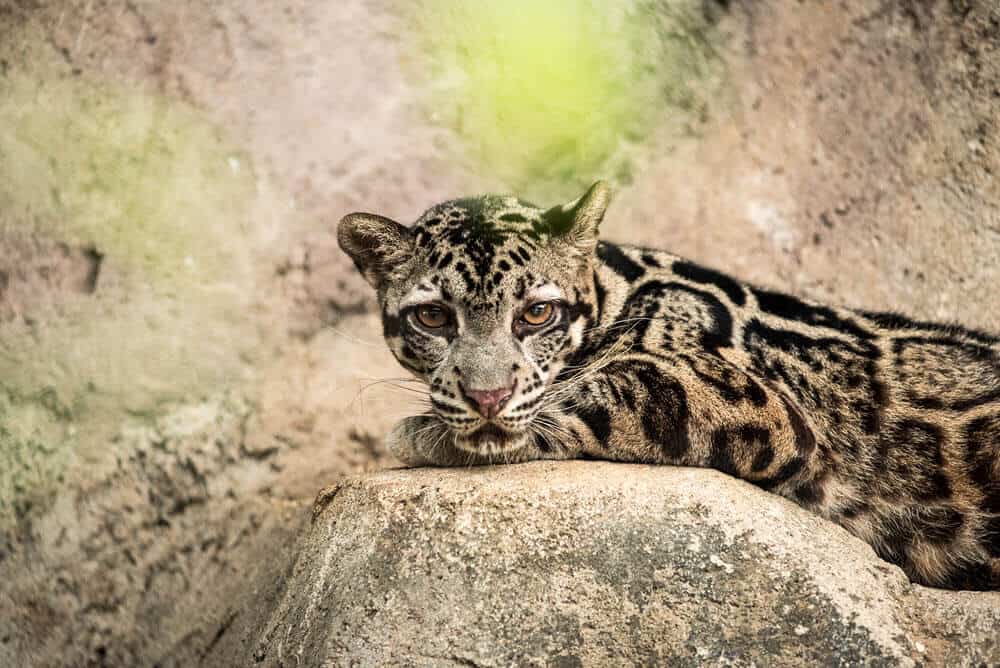
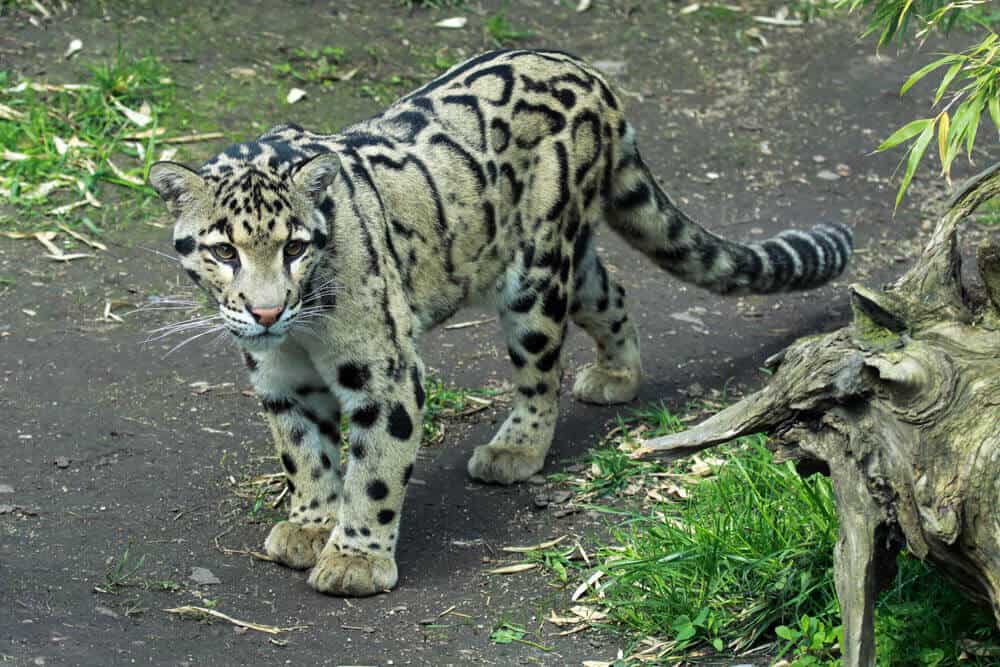
Sunda Clouded Leopard
Neofelis diardi
Found in Sumatra and Borneo.
Sunda clouded leopard subspecies:
- Neofelis diardi diardi (Sumatran clouded leopard)
- Neofelis diardi borneensis (Bornean clouded leopard)
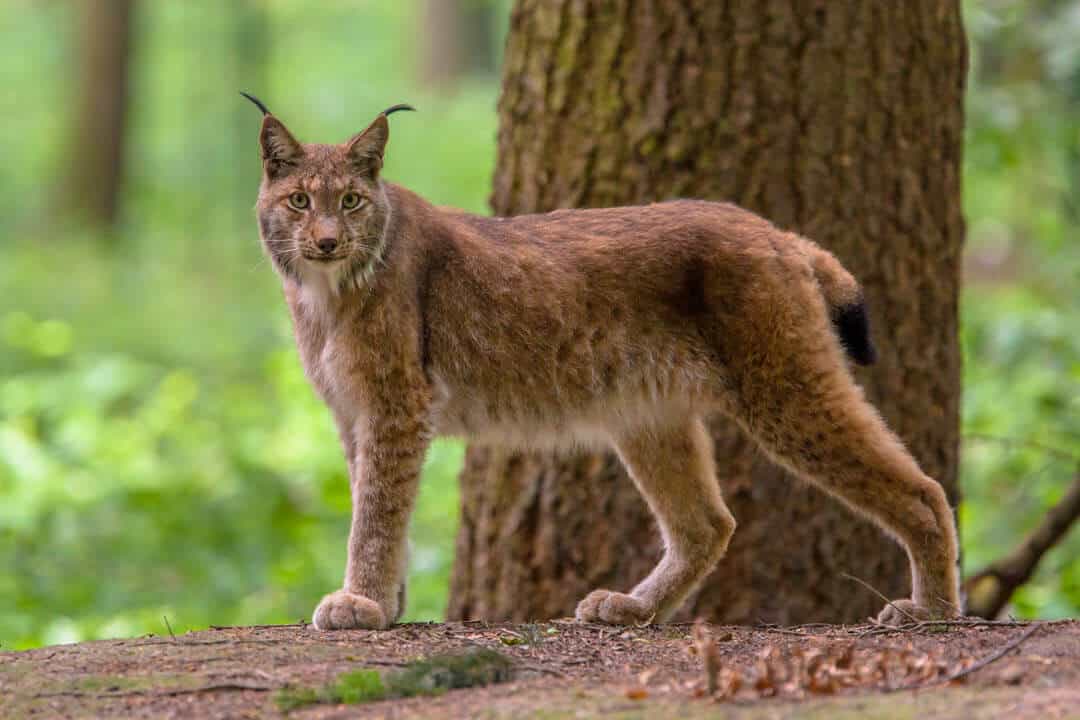
Eurasian Lynx
Lynx lynx
Can be found in Europe and Asia.
Proposed subspecies:
- L. i. lynx (Northern lynx)
- L. i. Turkestan
- L. i. Caucasian lynx
- L. i. Siberian lynx
- L. i. balcanicus (Balkan lynx)
- L. i. carpathicus (Carpathian lynx)
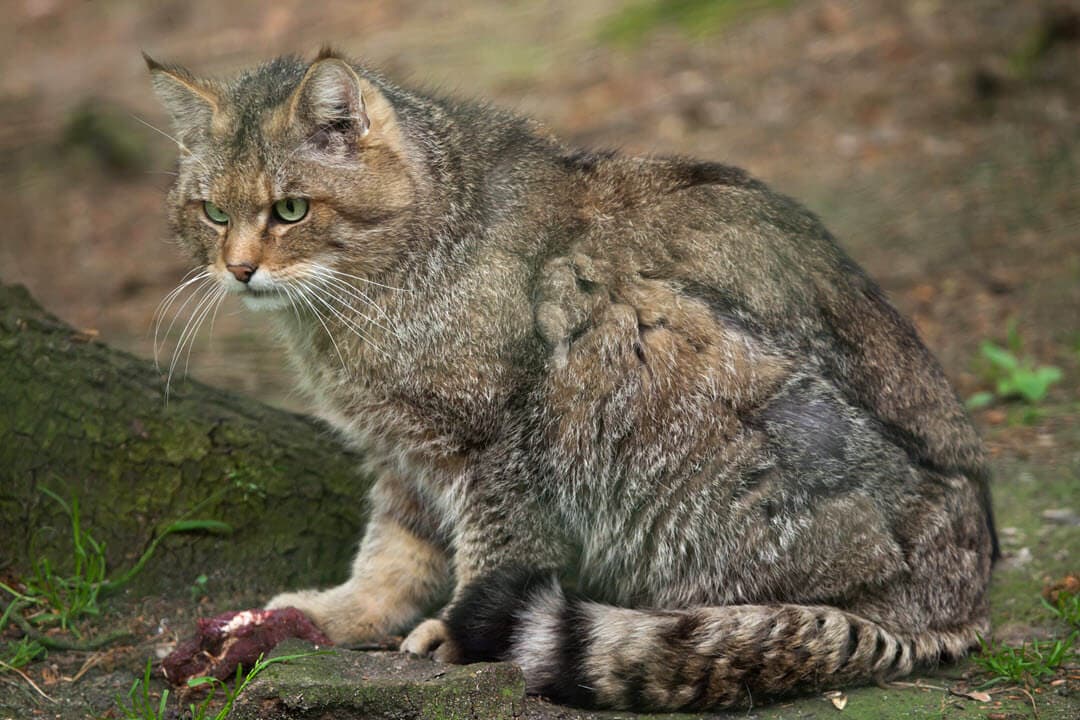
European Wildcat
Felis silvestris
A wild cat native to Europe, Turkey, Scotland and the region between the Black Sea and Caspian Sea.
European Wildcat Subspecies:
- Felis silvestris silvestris (Europe, Sicily and Scotland)
- Felis silvestris caucasica (Turkey and the Caucasus)
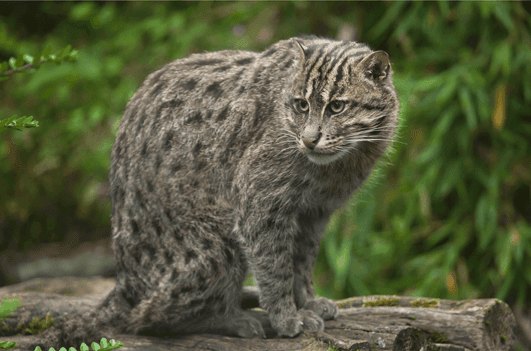
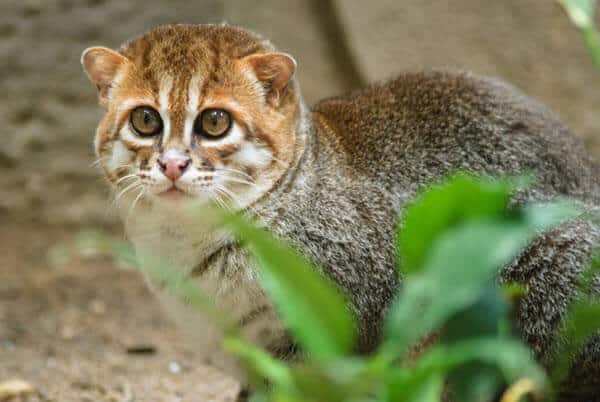
Flat-headed Cat
Prionailurus planiceps
A small wild cat from Thailand, Peninsular Malaysia, Sumatra and Borneo.
No subspecies.
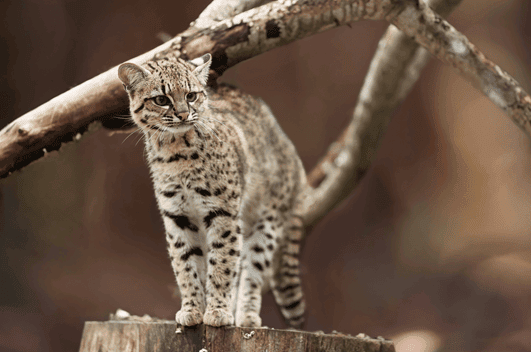
Geoffroy’s Cat
Leopardus geoffroyi
A small wild cat that inhabits southern and central South America.
No subspecies.
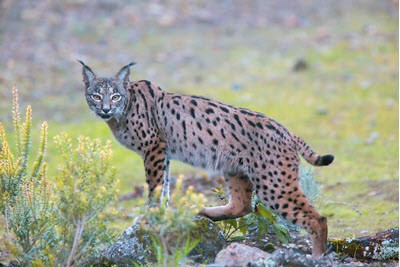
Iberian Lynx
Lynx pardinus
A medium-sized wild cat that inhabits the Iberian peninsula.
No subspecies.
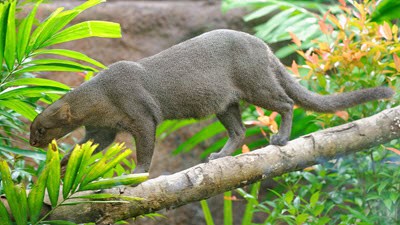
Jaguarundi
Herpailurus yagouaroundi
A medium-sized wild cat that can be found throughout Mexico, Central and South America.
No subspecies.
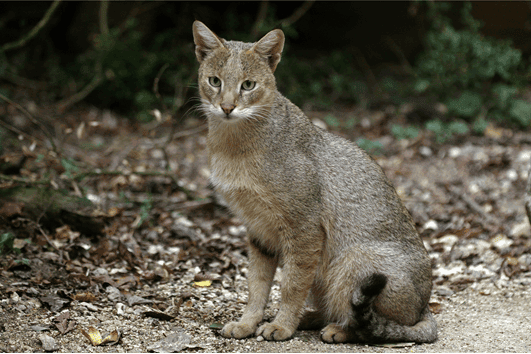
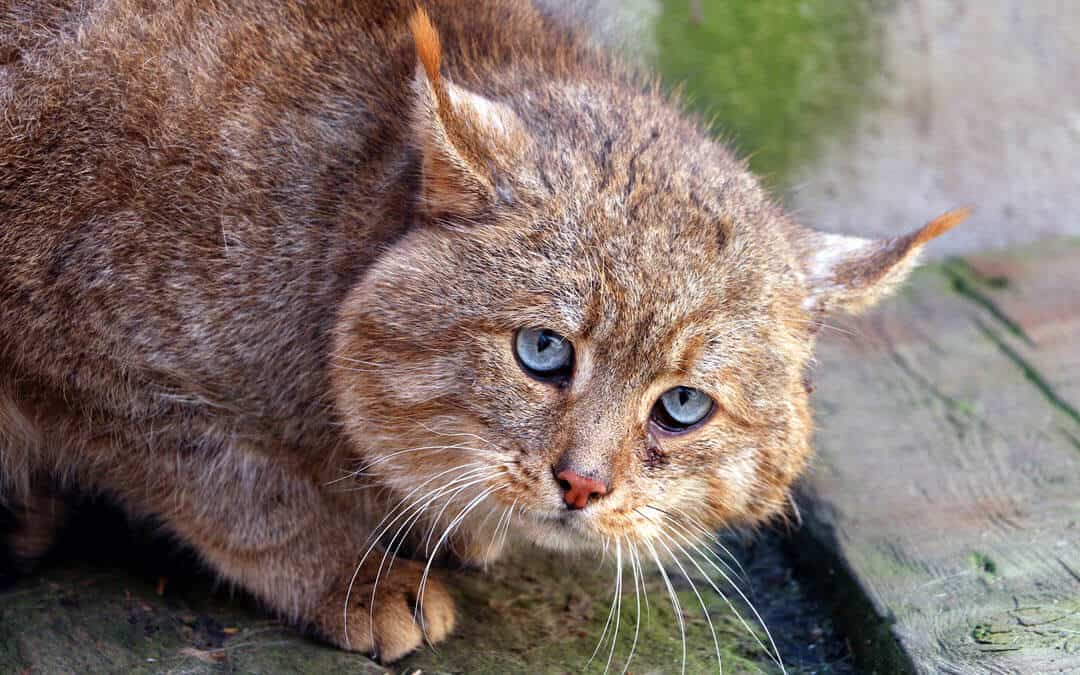
Jungle Cat
Felis chaus
A medium-sized wild cat found in the Middle East, Caucasus, Asia and China.
Jungle cat subspecies as of 2017:
- Felis chaus chaus
- Felis chaus affinis
- Felis chaus fulvidina
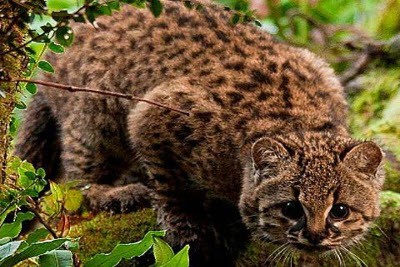
Kodkod (Guina)
Leopardus guigna
A small wild cat that inhabits Chile and Argentina.
Kodkod subspecies:
- Leopardus guigna guigna (Chile and Argentina)
- Leopardus guigna tigrillo (Chile)
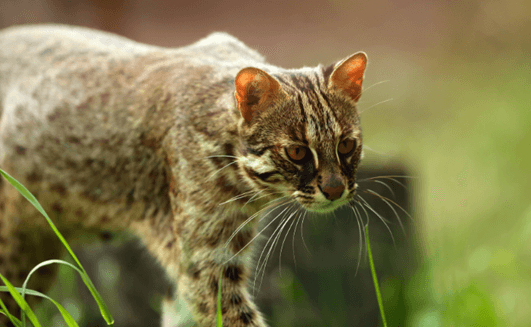
Leopard Cat – Mainland
Prionailurus bengalensis
A small wild cat found in Asia.
Leopard cat subspecies:
- Prionailurus bengalensis bengalensis
- Prionailurus bengalensis euptilura
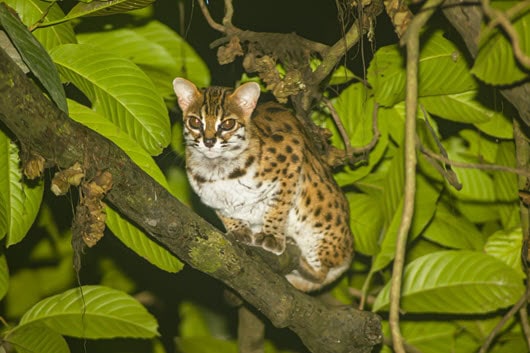
Leopard Cat – Sunda Leopard Cat
Prionailurus javanensis
A small wild cat found on the islands of Java, Borneo, Sumatra, Bali and the Philippines.
Sunda leopard cat subspecies:
- Prionailurus javanensis javanensis
- Prionailurus javanensis sumatranus
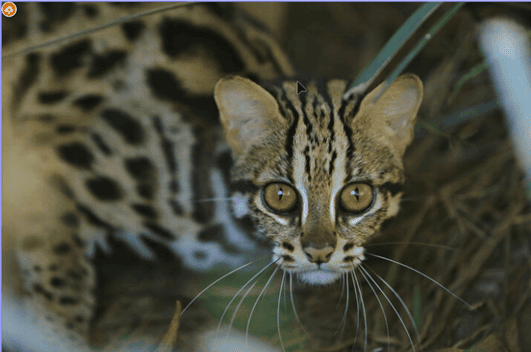
Marbled Cat
Pardofelis marmorata
A small wild cat that inhabits the eastern Himalayas all the way to Southeast Asia.
Marbled cat subspecies:
- Pardofelis marmorata charltoni
- Pardofelis marmorata marmorata
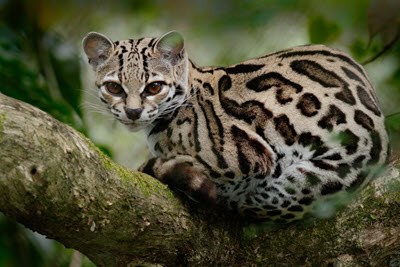
Margay
Leopardus wiedii
A small wild cat that can be found in Central and South America.
Margay subspecies:
- Leopardus wiedii wiedii
- Leopardus wiedii vigens
- Leopardus wiedii glauculus
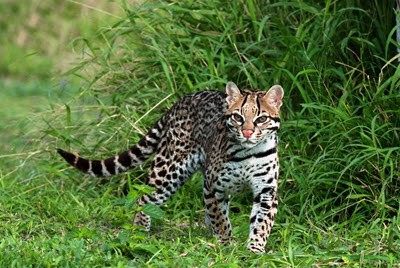
Ocelot
Leopardus pardalis
A medium-sized wild cat that inhabits North, Central and South America, Trinidad and Margarita.
Ocelot subspecies:
- Leopardus pardalis mitis
- Leopardus pardalis pardalis
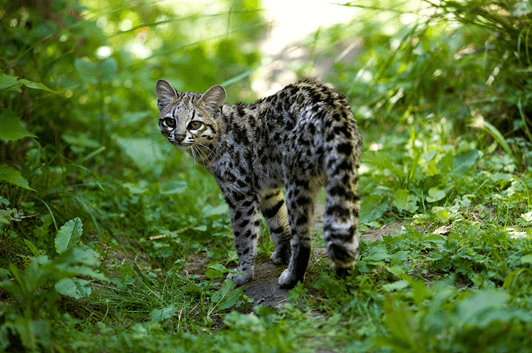
Oncilla – Northern Tiger Cat
Leopardus tigrinus
A small wild cat found in various regions from Central America to Brazil.
No subspecies.
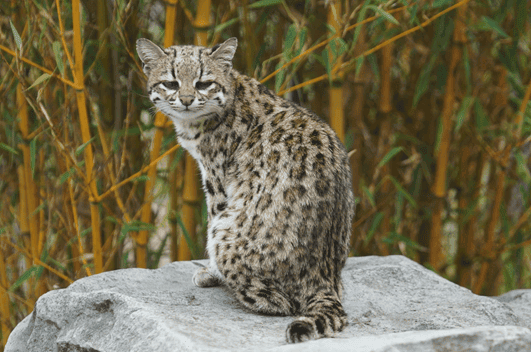
Oncilla – Southern Tiger Cat
Leopardus guttulus
A small wild cat found in Brazil, Argentina and Paraguay.
No subspecies.
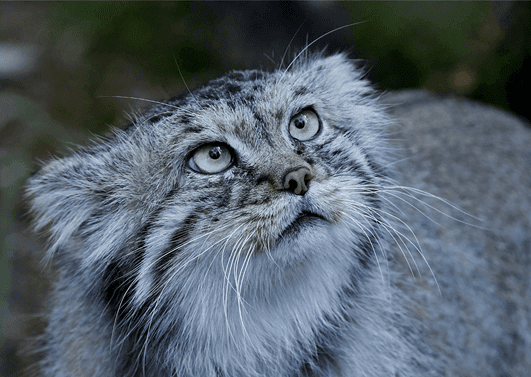
Pallas’s Cat
Otocolobus manul
A small wild cat that can be found in Central Asia.
Pallas’s cat subspecies:
- Otocolobus manul manul
- Otocolobus manul nigripectus
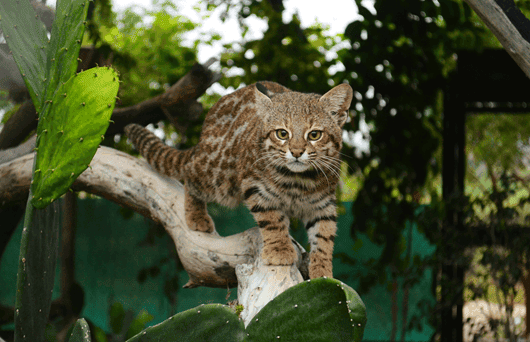
Pampas Cat
Leopardus colocola
A small wild cat that inhabits South America.
Recognized Pampas cat subspecies as of 2017:
- Leopardus colocola colocola
- Leopardus colocola pajeros
- Leopardus colocola braccatus
- Leopardus colocola garleppi
- Leopardus colocola budini
- Leopardus colocola munoai
- Leopardus colocola wolffsohni
Proposed subspecies as of 2022:
- Leopardus colocola colocola
- Leopardus colocola braccatus
- Leopardus colocola garleppi
- Leopardus colocola munoai (fasciatus)
- Leopardus colocola pajeros
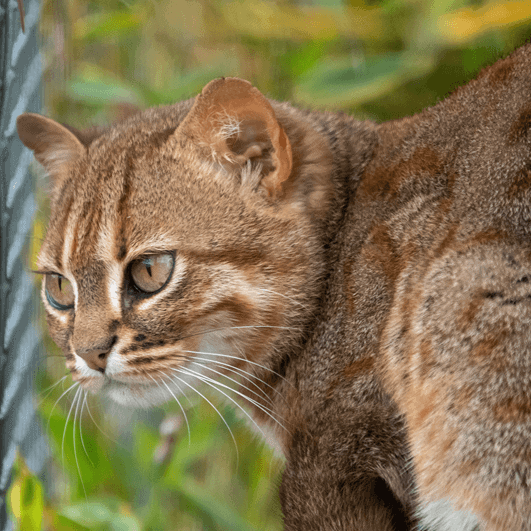
Rusty-spotted Cat
Prionailurus rubiginosus
A small wild cat found in Sri-Lanka, India and Nepal.
No subspecies.
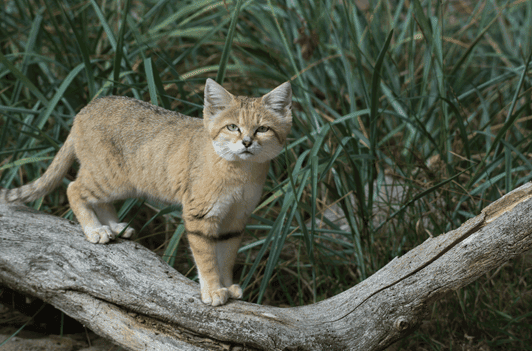
Sand Cat
Felis margarita
A small wild cat found in northern Africa, the Middle East and Central Asia.
Sand cat subspecies:
- Felis margarita margarita (Saharan sand cat)
- Felis margarita thinobia (Turkestan sand cat, Arabian sand cat and Pakistan sand cat)
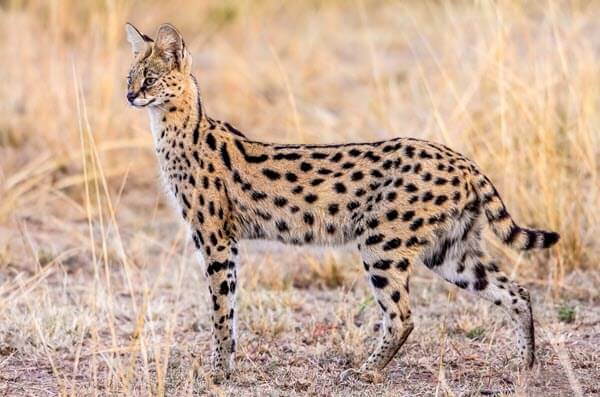
Serval
Leptailurus serval
A medium-sized wild cat that inhabits Africa.
Serval subspecies as of 2017:
- Leptailurus serval serval (southern Africa)
- Leptailurus serval constantina (West and Central Africa)
- Leptailurus serval lipostictus (East Africa)
Wild cats are a diverse and adaptable group of predators found across a wide range of habitats. From well-known species to those rarely seen, each plays an important role in its ecosystem and contributes to the balance of natural systems worldwide.
Annual Wild Cats Update (2026)
Wild cat conservation in 2025 showed a mixed picture, with some species recovering through long-term efforts while many others continue to face pressure from habitat loss, fragmentation, and limited protection.
Iberian lynx: continued recovery in parts of its range
The Iberian lynx remains one of the most successful recent conservation stories. Population numbers have increased due to habitat restoration, prey recovery, and long-term protection efforts, although the species still depends on active management.
https://www.iucnredlist.org/species/12520/21431814
Small wild cats: ongoing gaps in research and protection
Many small wild cat species remain underrepresented in conservation planning. Compared to larger, more visible species, they often receive less funding and research attention, making it harder to assess population trends and conservation needs.
https://www.nationalgeographic.com/animals/article/small-wild-cats
Habitat loss: continued pressure across multiple regions
Habitat loss and fragmentation remain among the most widespread challenges affecting wild cats. Expanding agriculture, infrastructure, and human settlement continue to reduce available habitat and isolate populations.
https://www.bbc.com/news/science-environment
Human-wildlife conflict: increasing overlap with human activity
As wild cats and human populations increasingly share space, conflict remains a major issue, particularly for larger species. New coexistence strategies are being tested in some regions, but long-term solutions remain complex.
https://www.fws.gov/program/human-wildlife-conflict