
Humans and animals have lived together for millions of years, sharing landscapes and interacting in many different ways. In most cases, these interactions are part of natural ecosystems. But as human populations grow and land use changes, those interactions are becoming more frequent and more complex.
What is human-wildlife conflict?
Human-wildlife conflict occurs when wildlife threatens human safety or livelihoods, or when human activities—such as urbanization, agriculture, and development—threaten wildlife survival. As the planet’s population increases and natural habitats shrink, these conflicts have become more common across many regions of the world.
Key factors
The world’s human population was 1 billion in 1800. As of 2024, it is estimated to be over 8 billion, with a growth rate of 83 million people per year (1.1%).
According to the United Nations, these figures will increase to 9.8 billion in 2050 and 11.2 billion in 2100 (United Nations).
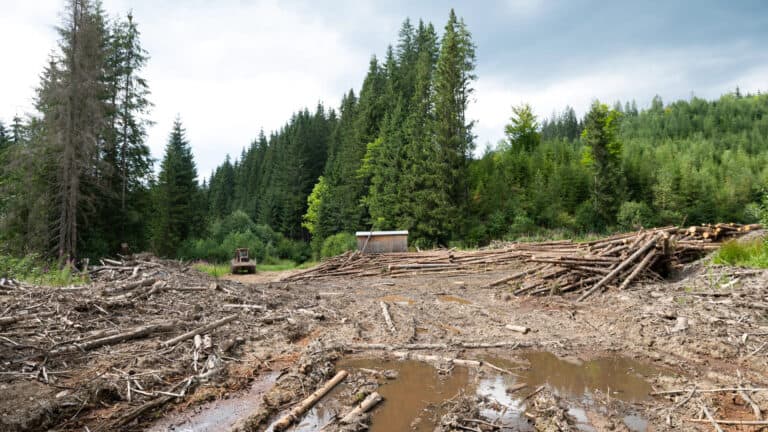
As the planet’s human population expands, more natural environments are being destroyed to meet increased demands for:
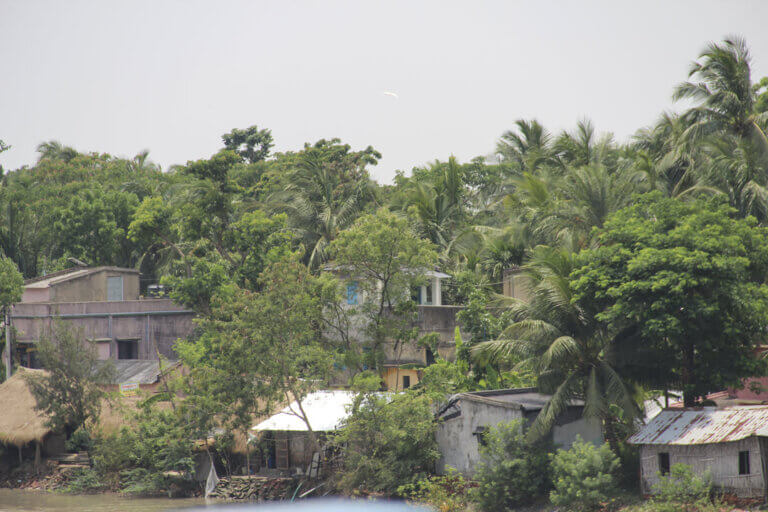
• places to live (roads, towns and cities)
• food (farms and ranches)
• water (dams and reservoirs)
• mined materials that support human life (coal, iron, gravel, clay)
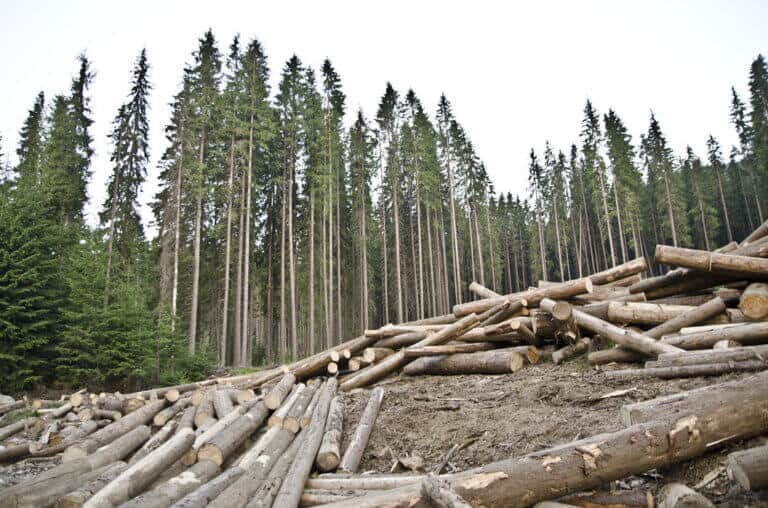
• other important natural materials like wood
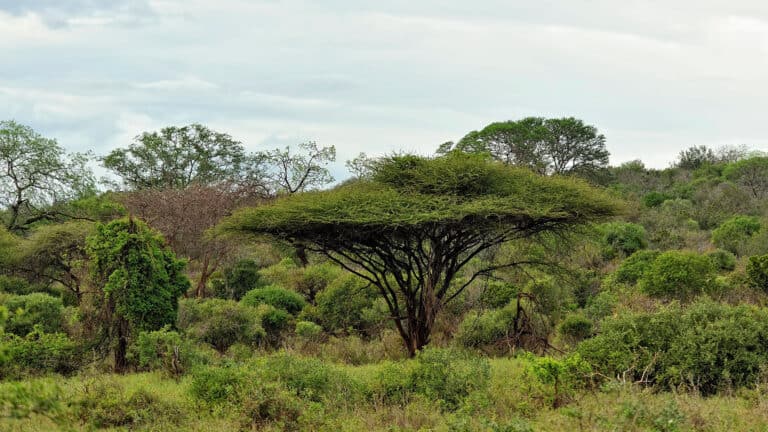
These environmental changes have far-reaching consequences, including escalating human-wildlife conflict as more wildlife habitat is lost or fragmented.
Wild cat habitat loss
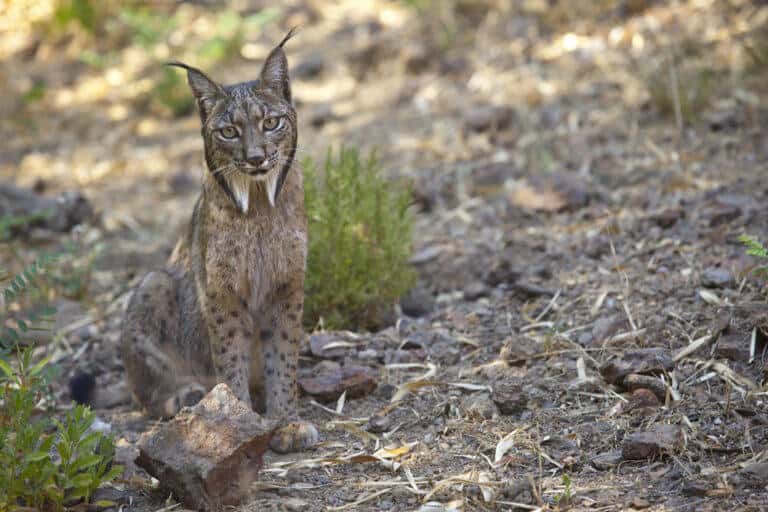
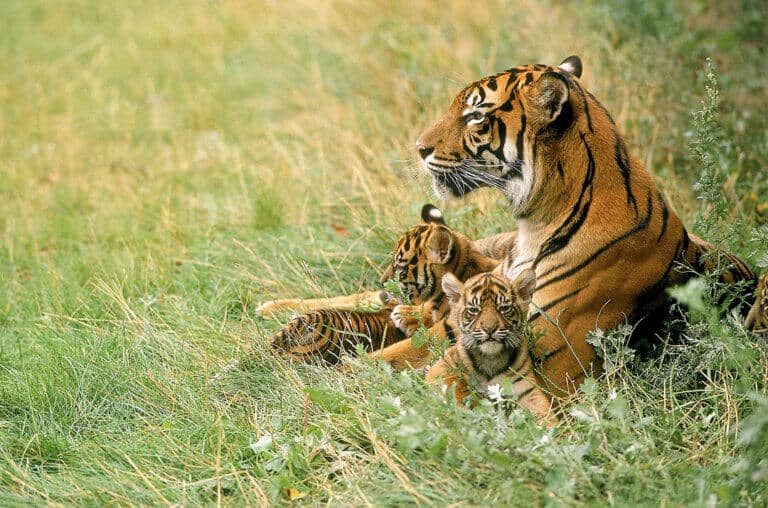
Many wild cat species have lost much of their range (the area a species uses to live, hunt, and mate) due to human expansion and human-related activities.
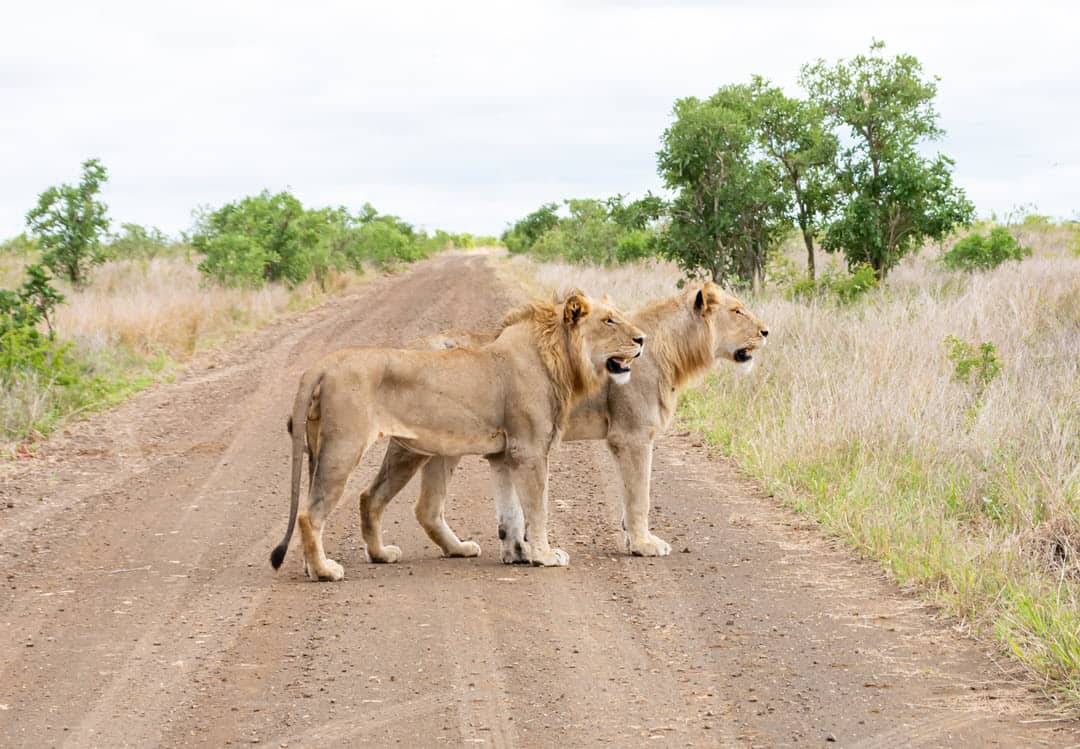
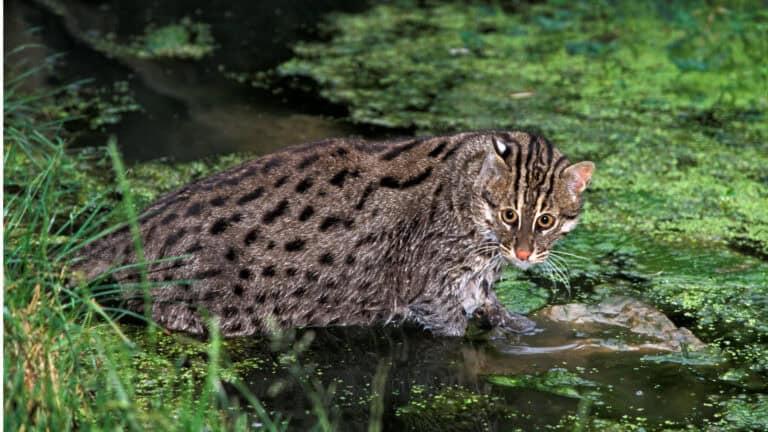
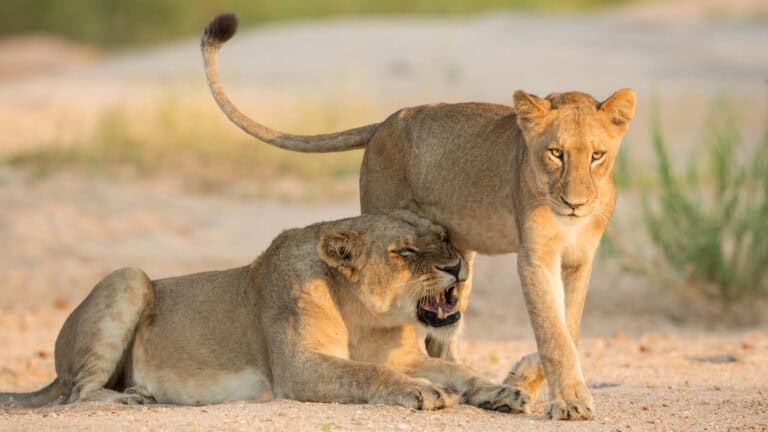
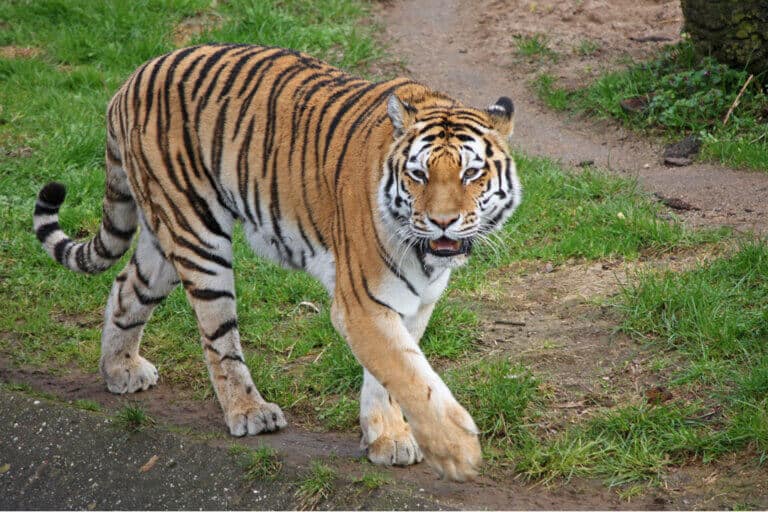
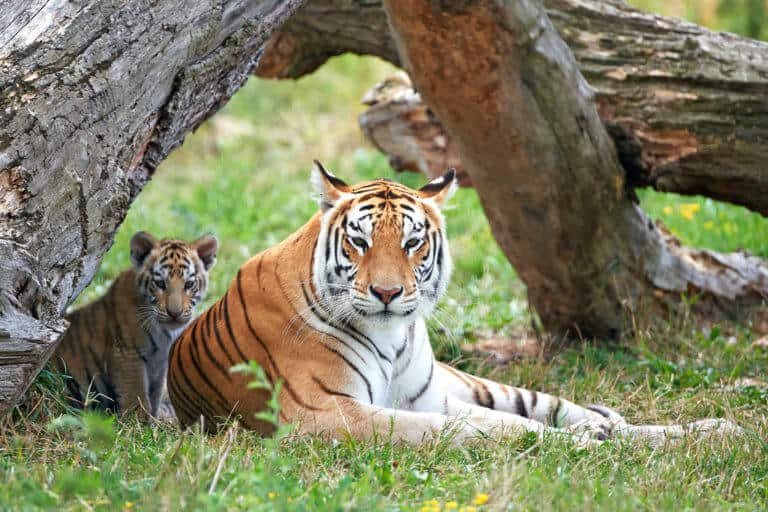
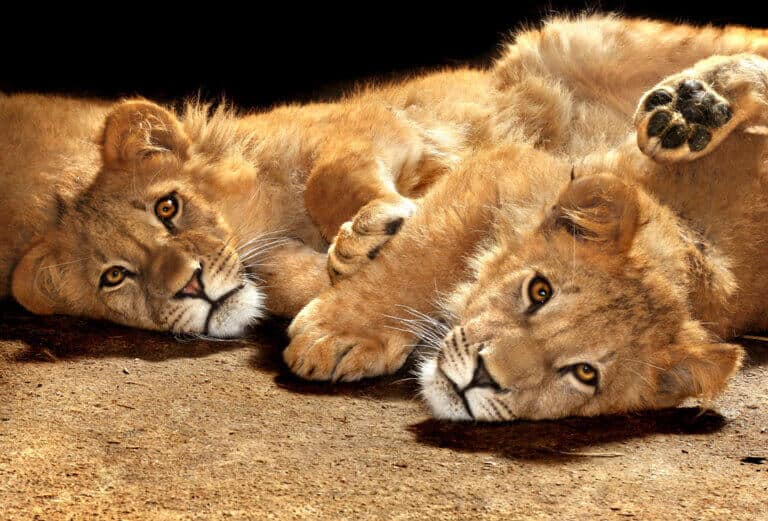
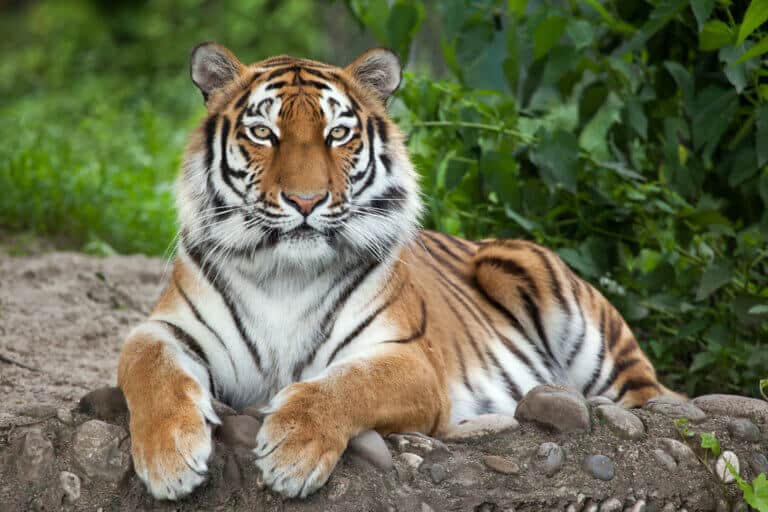
Lions and tigers have lost over 90% of their range, and jaguars have lost more than 50% of their natural habitat. Due to habitat loss, even small wild cats like the flat-headed and fishing cats are endangered.
Human-wildcat conflict
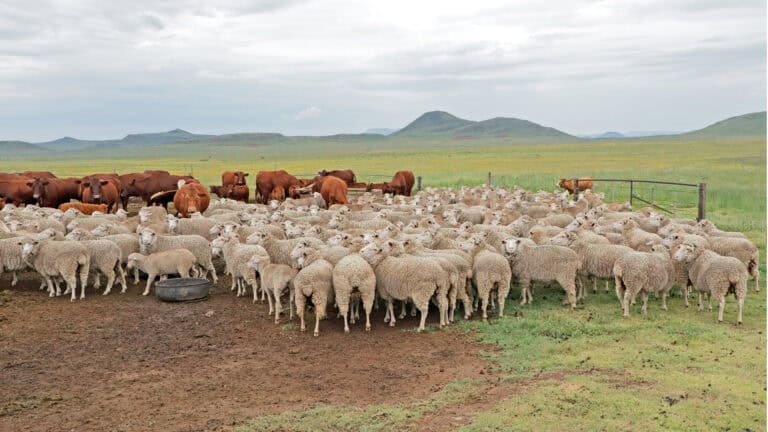
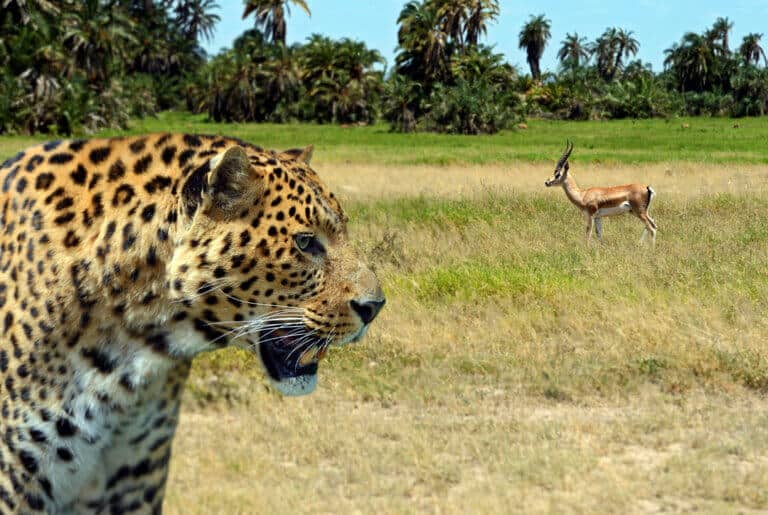
Not only does habitat loss displace wild cats, it increases their interaction with humans as they search for new shelter, food, and water sources. When these encounters lead to human injury or the loss of livestock, the cats are often killed.
These killings, whether in self-defense or retaliation, are contributing to the decline in wild cats worldwide and their extinction.
What human-wildlife conflict really means
Human-wildlife conflict is often described as a problem of animals entering human spaces. But in many cases, it is the result of expanding human activity into areas that were once wildlife habitat.
As farming, livestock grazing, and development increase, people and animals are more likely to share the same space. This overlap creates situations where both are trying to survive using the same land and resources.
For wildlife, this can mean loss of habitat and limited access to food. For people, it can mean damage to crops, loss of livestock, or risks to safety. These impacts are real on both sides.
Conflict has always existed between humans and animals, but it increases as available space becomes more limited and ecosystems are altered.
Because of this, conservation cannot focus on wildlife alone. It must also consider the people living in these environments—their needs, their livelihoods, and their perspectives.
Efforts that do not take local communities into account are unlikely to succeed over time. Solutions need to work in a way that reduces conflict while supporting both people and wildlife.
This is why approaches such as community-based conservation are important. They recognize that long-term solutions depend on cooperation, local knowledge, and shared outcomes.
Human-wildlife conflict is not just about managing animals. It is about understanding how people and wildlife can exist in the same space, and what it takes to make that possible.
Annual Human–Wildlife Conflict Update (2026)
Human–wildlife conflict continues to increase in many regions as expanding human activity overlaps with wildlife habitats. Recent developments highlight both the scale of the issue and the growing focus on coexistence strategies.
Human–wildlife conflict is increasing alongside habitat expansion
Recent reporting and research show that as agriculture, infrastructure, and settlements expand into wildlife habitats, encounters between people and large animals—including wild cats—are becoming more frequent. These interactions often lead to livestock loss, property damage, or safety concerns, which can result in retaliatory killing of animals.
https://www.fao.org/human-wildlife-conflict/en/
Retaliation remains a major source of mortality for large predators
In many regions, large carnivores such as lions, leopards, and tigers are killed in response to livestock predation. These killings are often not formally recorded, making it difficult to measure the full scale of the impact. However, conservation groups and researchers consistently identify retaliation as a significant pressure on wild populations.
https://www.iucn.org/resources/issues-brief/human-wildlife-conflict
New coexistence strategies are being tested and expanded
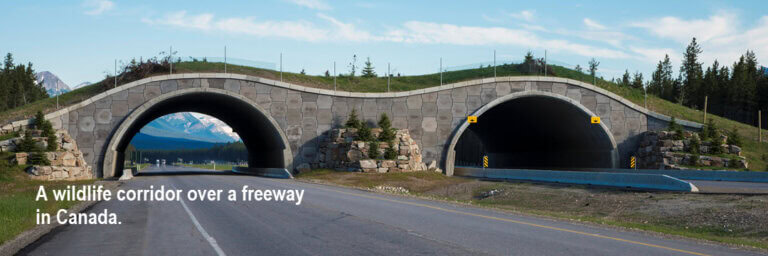
Efforts to reduce conflict are increasingly focused on practical solutions, including improved livestock protection, early warning systems, and compensation programs for farmers. These approaches aim to reduce economic losses while supporting long-term coexistence between people and wildlife.
https://www.worldbank.org/en/topic/environment/publication/human-wildlife-conflict
Conflict is becoming a long-term conservation challenge
Unlike some threats that can be addressed through regulation alone, human–wildlife conflict is closely tied to land use, livelihoods, and population growth. This makes it an ongoing challenge that requires continuous management rather than a one-time solution.
https://www.unep.org/resources/report/state-knowledge-human-wildlife-conflict
0 Comments