BigCatsWildCatsKids
BigCatsWildCats Kids is a place for kids to explore the world of wild cats, including learning about lions, tigers, jaguars, leopards, snow leopards, and many other wild cats from around the world.
Discover where wild cats live, what they eat, how they hunt, how they raise their young, and the special traits that help them survive. Easy-to-read information, photographs, and illustrations help make learning about wild cats interesting and fun.
BigCatsWildCats Kids also explores why wild cats are important and the challenges they face in the wild. Kids can learn why protecting wild cats and their habitats matters—and why these remarkable animals are an important part of our planet.
The World of Wild Cats
Wild cats are animals that live on their own in natural environments such as forests, grasslands, deserts, wetlands, and mountains. The word wild comes from Old English and means living in a natural state or being untamed. Wild cats, like other wild animals, find their own food, water, and shelter.
Domestic cats are different. They are cats that are often kept as pets. The word domestic comes from the Latin word domus, meaning “house” or “home.”
All cats belong to one large group called the cat family. The scientific name for this group is Felidae. Domestic cats are members of this family, as well as large wild cats such as lions, tigers, jaguars, leopards, cheetahs, and cougars, and smaller wild cats such as ocelots, sand cats, and black-footed cats.
There are more than 40 living species of wild cats, along with many subspecies.
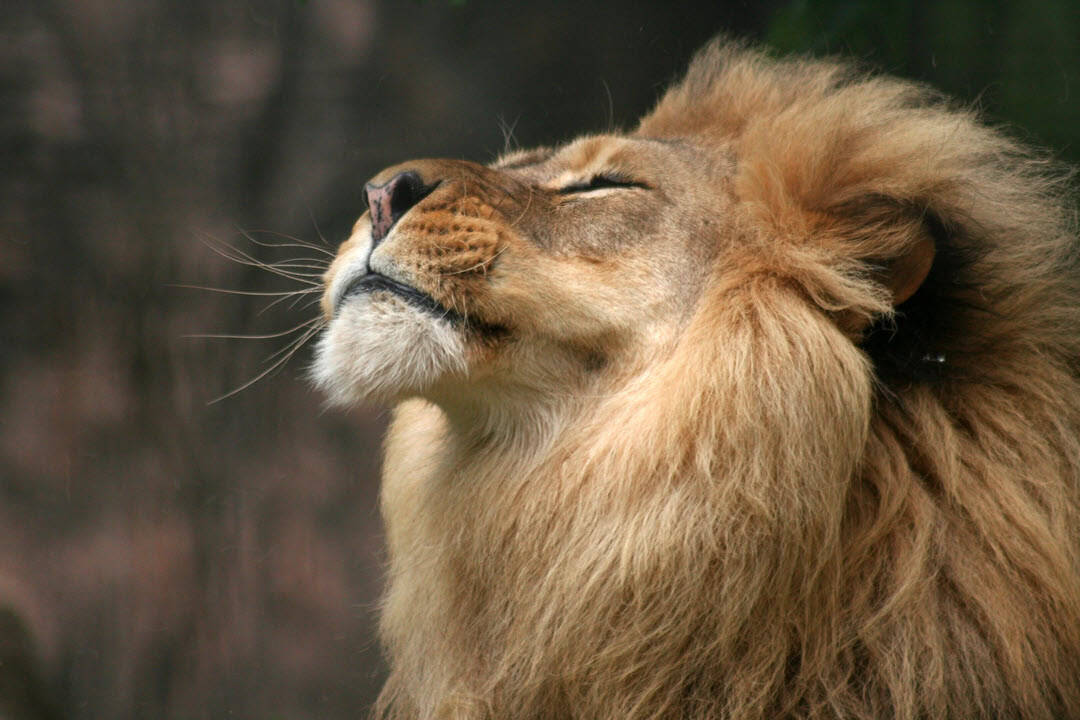
Lion
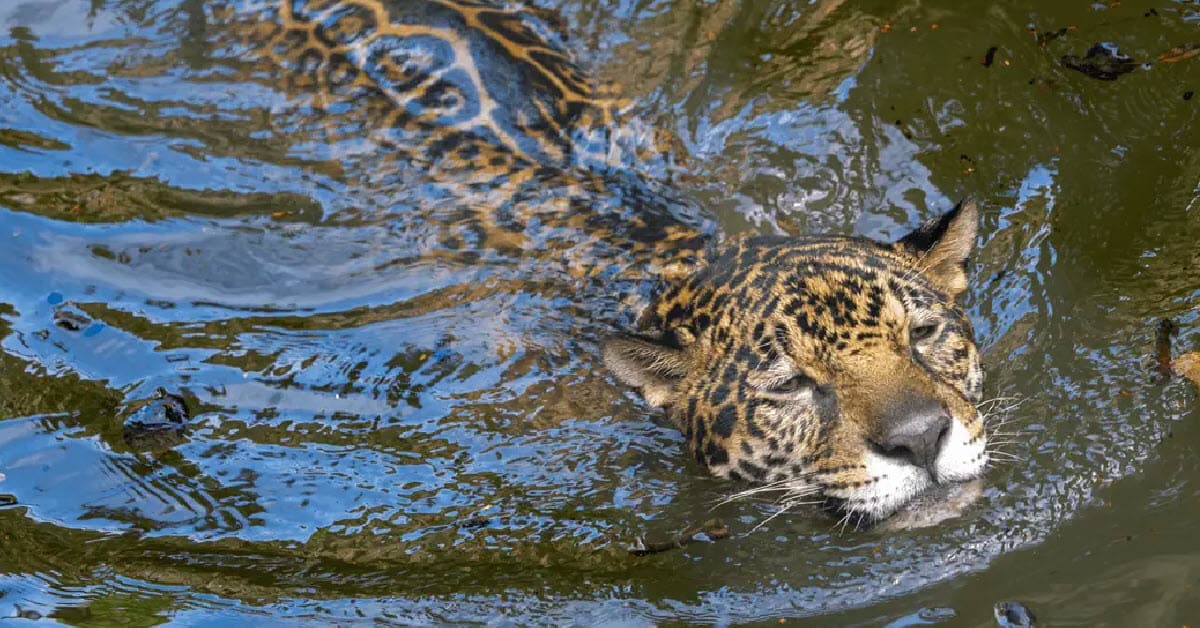
A jaguar swimming.
Jaguars are excellent swimmers and spend more time in and around water than many other wild cats. They can swim across rivers and through wetlands, and they sometimes hunt for food in the water. Their strong bodies and powerful legs help them swim.
READING LEVEL: Grades 4-5 & Above
Words to Know
Adaptation — a feature or behavior that helps an animal survive in its environment
Camouflage — colors, patterns, or shapes that help an animal blend into its surroundings
Carnivore — an animal that eats other animals
Conservation — protecting animals, plants, and the places where they live
Domestic — connected with living with people or in the home
Ecosystem — a community of living things and the environment around them
Evolution — the process by which living things change over many generations
Extinct — no longer living anywhere on Earth
Felidae — the scientific name for the cat family. Wild cats and domestic cats are members of this family
Fossil — preserved remains or signs of an organism that lived long ago
Habitat — the natural place where an animal lives and finds what it needs to survive
Livestock — farm animals such as cattle, sheep, and goats
Population — a group of animals of the same species living in an area
Predator — an animal that hunts other animals for food
Prey — an animal that is hunted and eaten by another animal
Pride — a social group of lions
Reproduction — the process by which animals produce young
Retractable Claws — claws that can be pulled back when they are not being used
Savanna — a large, mostly grassy area with scattered trees
Species — a group of similar living things that can reproduce with one another
Subspecies — a group within a species whose members have developed some differences from other members of the same species
Threat — something that can harm an animal or make it harder for the animal to survive
Wetland — land where water covers the ground or keeps the soil wet for all or part of the year
Wild — living in a natural state without being domesticated
Wildlife Trade — the buying and selling of wild animals, plants, or products made from them
What Is a Wild Cat?
A wild cat is a member of the Felidae cat family that lives in the wild. Lions, tigers, jaguars, leopards, cheetahs, cougars, lynx, ocelots and many smaller cats are all wild cats.
Wild cats have similar characteristics because they are related. They are carnivores, which means they eat other animals. They have sharp teeth, sensitive hearing, excellent eyesight, and bodies built for hunting. Most have claws that can be pulled back, or retracted, when they are not being used. Domestic cats share many of these same traits. If you watch a pet cat stalk, pounce, climb, or use its claws, you can see some of the same behaviors and features found in its wild relatives.
Some wild cats are very large. A tiger can weigh hundreds of pounds. Others are surprisingly small. The rusty-spotted cat is one of the smallest wild cats in the world and can weigh only a few pounds.
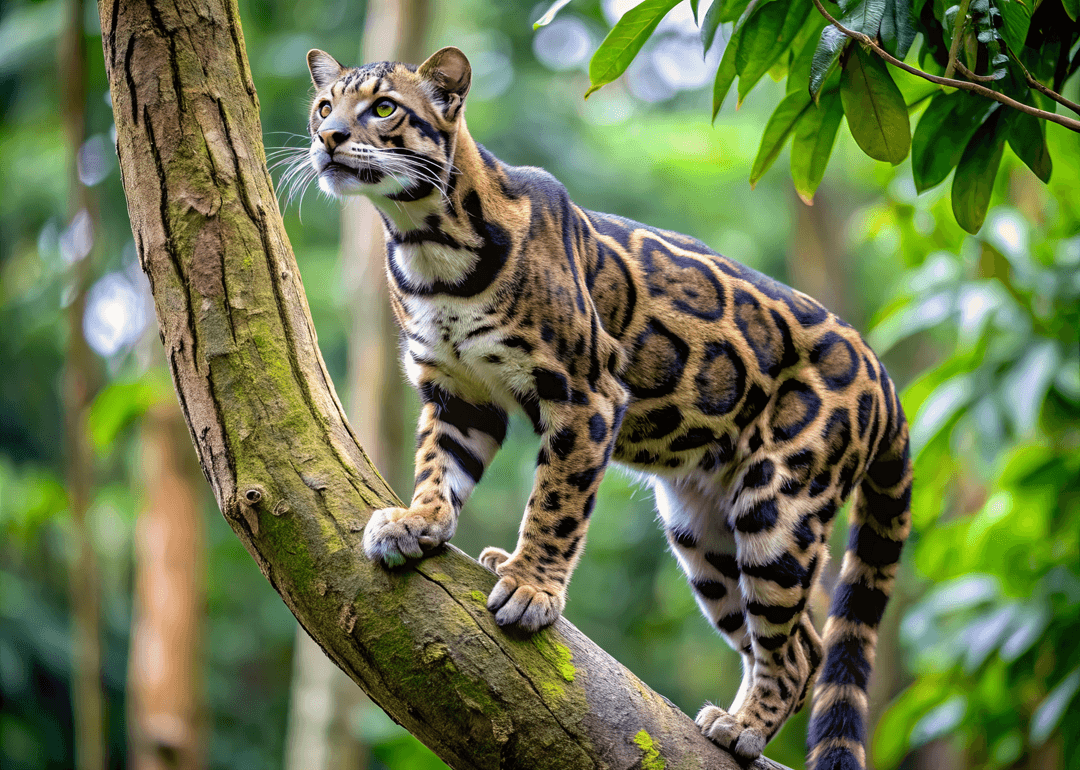
Clouded Leopard
What Do Wild Cats Look Like?
Wild cats come in many shapes and sizes. Tigers can weigh hundreds of pounds, while some of the smallest wild cats weigh only a few pounds. Their coats may be striped, spotted, plain, thick, or short. Even with these differences, you can see the same basic cat body in every species.
Wild cats have four legs, padded paws, long tails, and bodies that are usually flexible and muscular. Their heads are rounded, with forward-facing eyes, pointed or rounded ears, and whiskers around the face. Inside their mouths are sharp canine teeth used to catch and hold prey. Most wild cats also have sharp claws that can be pulled back, or retracted, when they are not being used.
The shape of the body varies depending on the cat. Cheetahs have long legs and slender bodies built for speed. Jaguars have shorter, heavier bodies with powerful legs. Snow leopards have large paws and long, thick tails.
Coats also vary greatly. Tigers have dark stripes, while leopards and jaguars have patterns called rosettes. Lions usually have plain coats, and adult male lions grow a mane. Coat colors and patterns can help wild cats blend into their surroundings, while thick fur helps cats living in cold places stay warm.
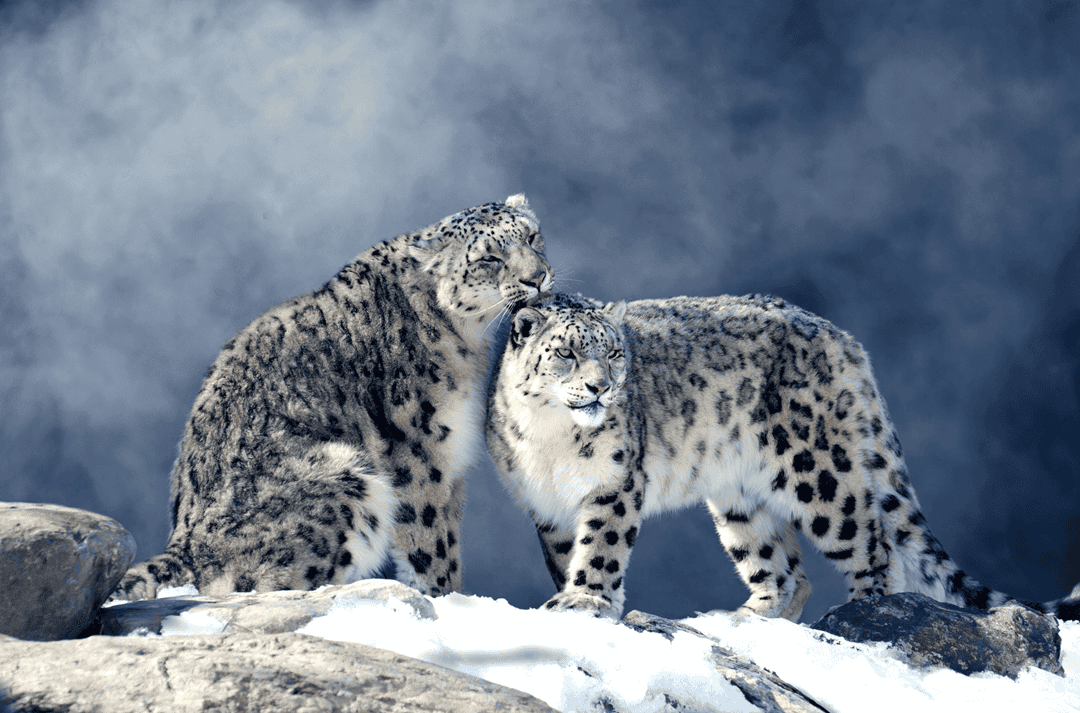
Snow Leopards
What Is the History of Wild Cats?
The cat family has a long evolutionary history. The ancestors of today’s cats appeared millions of years ago, long before modern lions, tigers and other wild cats existed.
Over time, different groups of cats spread into new parts of the world. Populations became adapted to different climates, habitats and kinds of prey. Eventually, these evolutionary changes produced the many species of wild cats alive today.
Although a tiger and a tiny wild cat may seem very different, they are distant relatives and share a common ancestry.
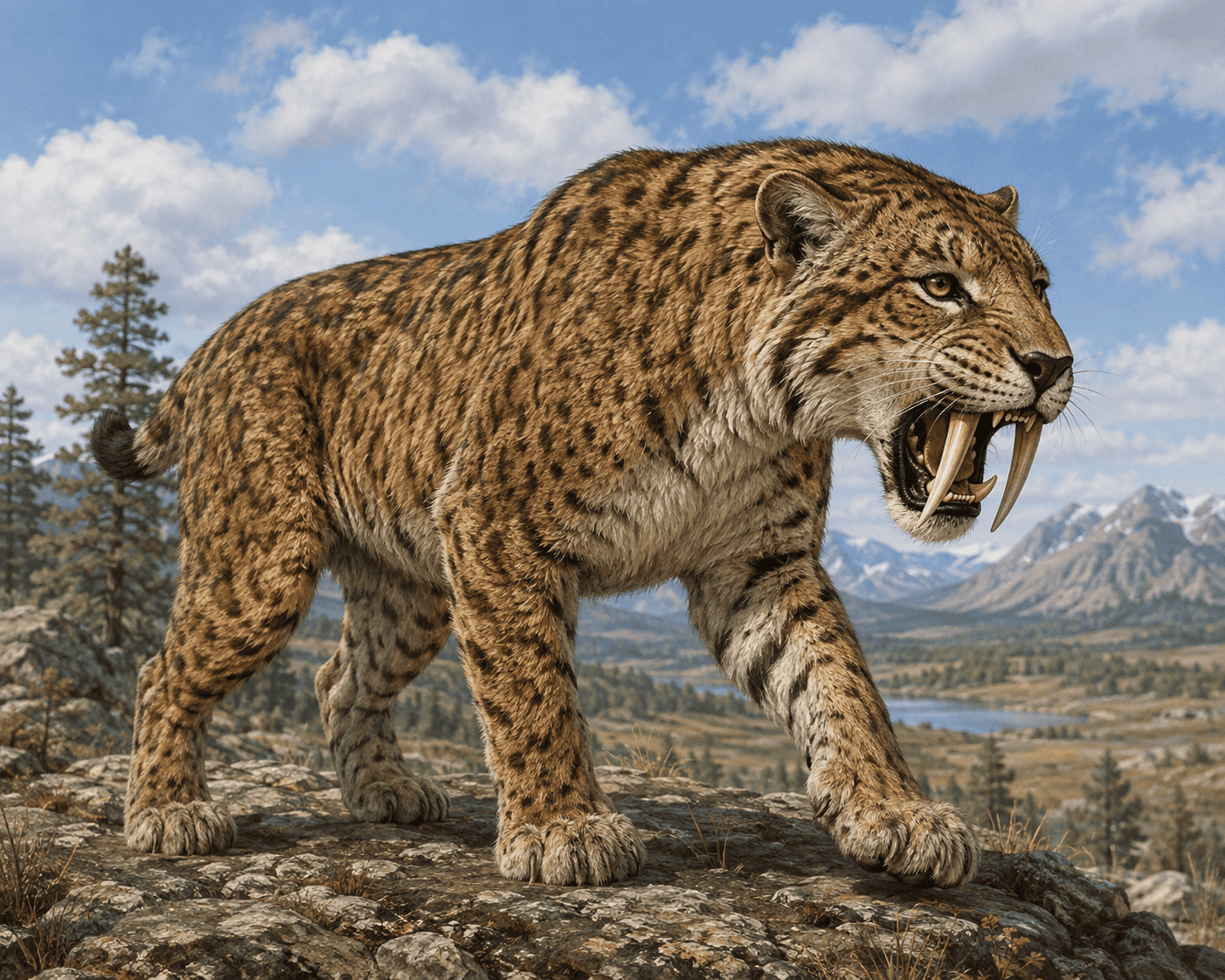
Smilodon
Thousands of years ago, Smilodon lived in North and South America. It was a powerful saber-toothed cat with strong front legs and very long canine teeth.
Smilodon belonged to the cat family, but it was not an ancestor of today’s wild cats. It belonged to a branch of cats that is now extinct.
Scientists have found many Smilodon fossils, so they know a lot about its bones and body. But no one knows exactly what its fur looked like. Its colors and markings in pictures are based on scientists’ best ideas about how it may have looked.
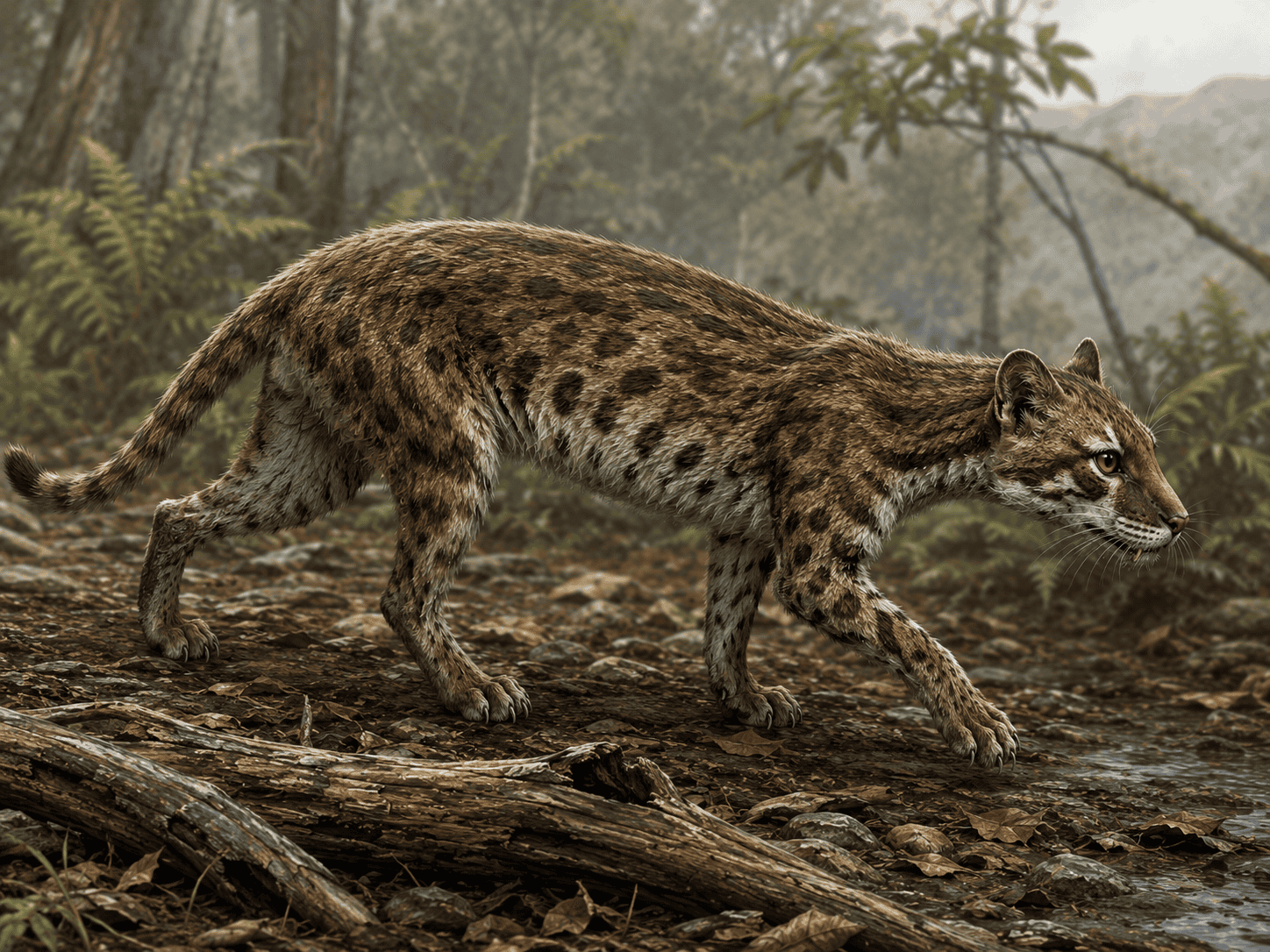
Proailurus
bout 25 million years ago, an animal called Proailurus lived in the forests of Europe. It was a small, early relative of modern cats. It had a long body, short legs, sharp teeth, and claws that helped it climb and hunt.
Scientists know about Proailurus from fossils. But no one knows exactly what it looked like when it was alive. Its fur color and markings are unknown.
Fossils of animals like Proailurus give scientists clues about the history of cats. They help us understand how the cat family changed over millions of years.
Where Do Wild Cats Live?
Wild cats live on five continents: Africa, Asia, Europe, North America, and South America. Different species have adapted to the climates and habitats found in each part of the world.
Africa is home to lions, leopards, cheetahs, servals, caracals, and several smaller wild cats. They live in savannas, grasslands, forests, deserts, wetlands, and scrublands.
Asia has many different wild cat species. Tigers live in forests, grasslands, and wetlands, while snow leopards live high in rocky mountains. Other Asian wild cats live in deserts, tropical forests, mangrove forests, and areas near rivers and wetlands.
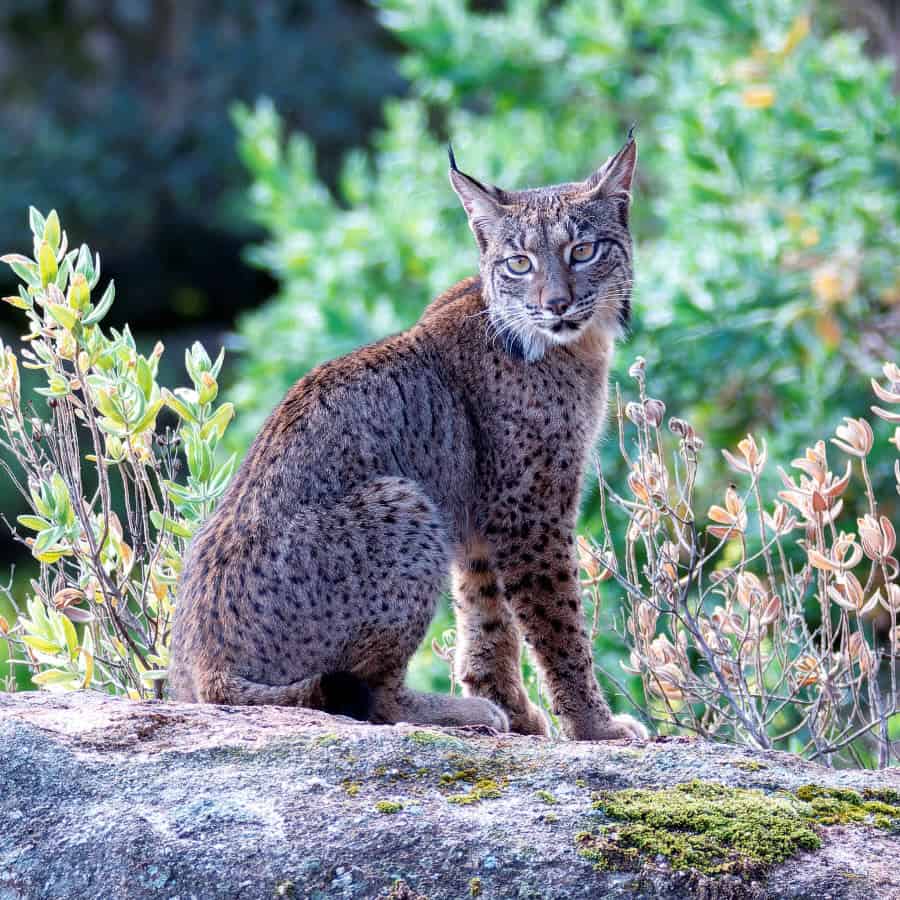
Europe has only a few native wild cat species. European wildcats live mainly in forests and areas with trees and shrubs, while Eurasian and Iberian lynxes live in forests, woodlands, scrublands, and other places where they can find enough prey and cover.
North America is home to cougars, bobcats, Canada lynxes, and ocelots. These cats live in forests, mountains, deserts, grasslands, wetlands, and cold northern regions.
South America is home to jaguars and many smaller cats, including ocelots, margays, and Geoffroy’s cats. They live in tropical rainforests, wetlands, grasslands, dry forests, mountains, and scrublands.
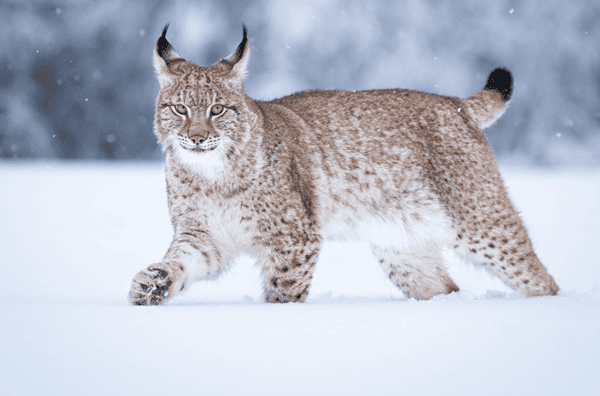
Canada Lynx
Canada lynxes live in the cold northern forests of North America, especially in Canada and Alaska. These forests have long, snowy winters, and the lynx’s thick fur and large, furry paws help it live and move through deep snow. They are especially common in forests where their main prey, the snowshoe hare, is plentiful.
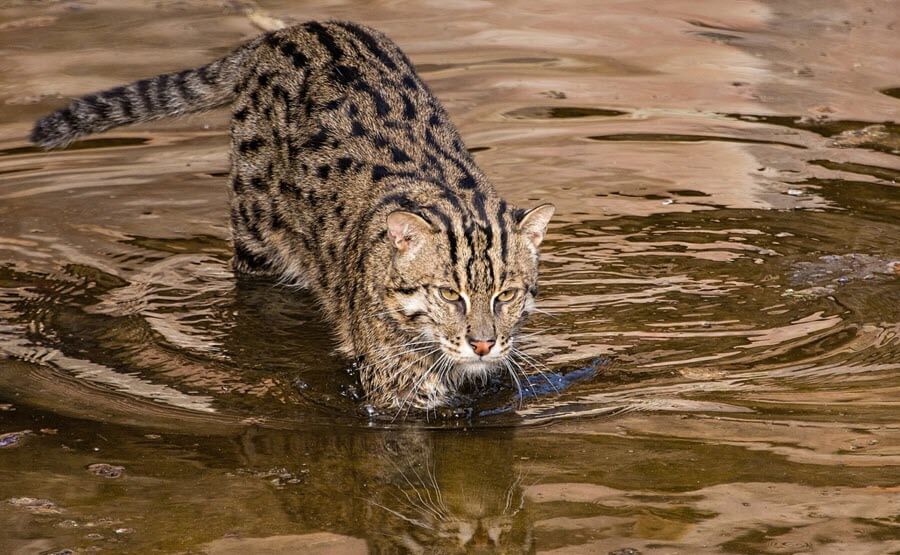
Fishing Cat
Fishing cats live in wet places with lots of water, including wetlands, marshes, swamps, mangrove forests, and areas along rivers and streams. They are excellent swimmers and often stay close to water, where they can find fish, frogs, and other animals to eat. Dense plants near the water also give them places to hide and rest.
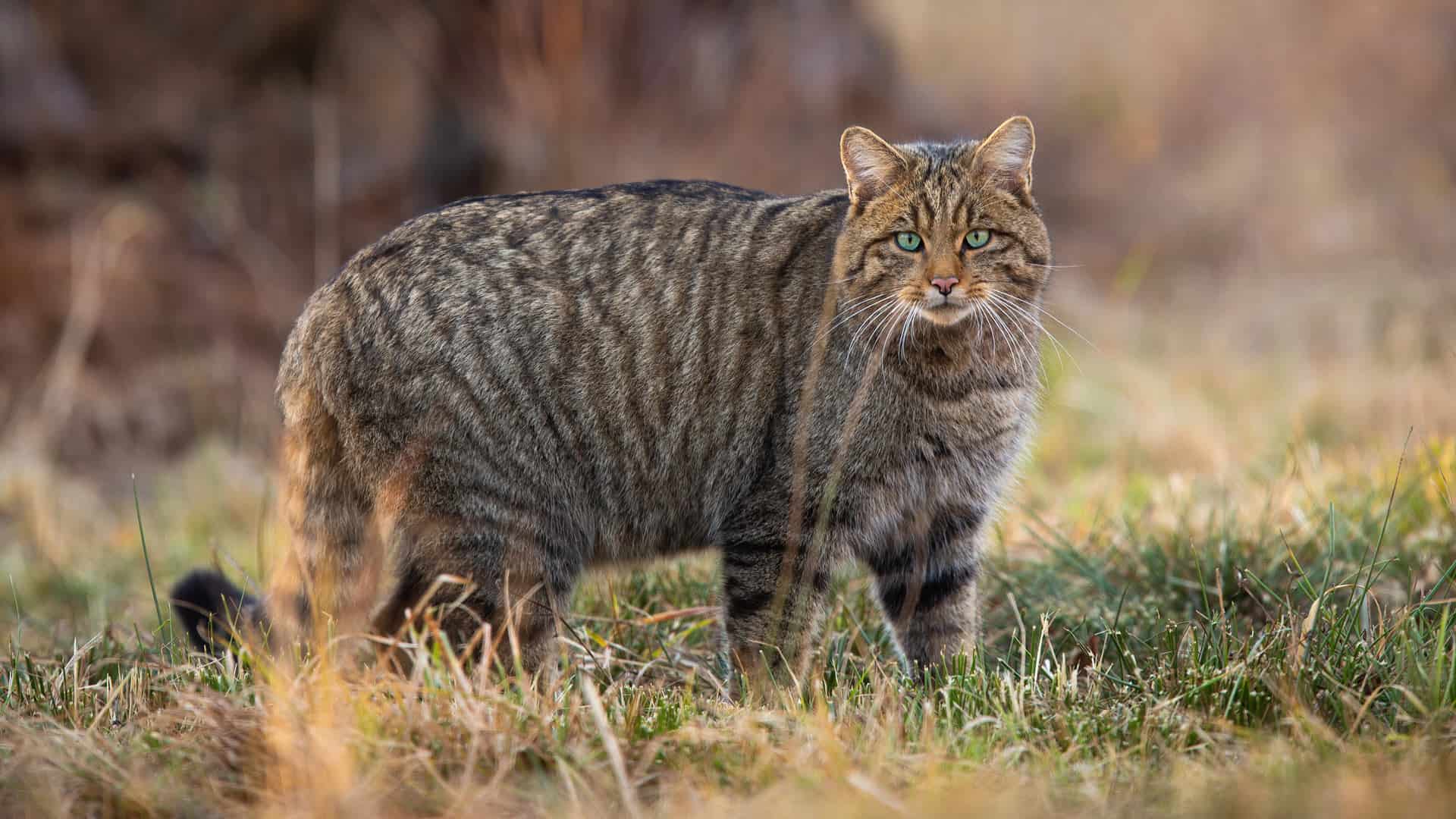
European Wildcat
Wild Cat Behavior
Wild cats spend their lives finding food, resting, protecting themselves, raising young and moving through their habitats.
Many wild cats live mostly alone. Lions are unusual because they often live together in social groups called prides. Other cats may meet to mate, and mothers stay with their kittens while the young cats learn how to survive.
Wild cats may be active during the day, at night, or around dawn and dusk. When they are active can depend on the species, habitat, weather, prey and human activity.
What Do Wild Cats Eat?
Wild cats are carnivores, which means they eat other animals. Their prey varies enormously depending on the size of the cat and where it lives.
Large cats may hunt deer, wild pigs, antelope and other large animals. Smaller wild cats may eat rodents, birds, reptiles, insects and other small prey.
How Do Wild Cats Hunt?
Many wild cats hunt by quietly approaching their prey before making a sudden attack. Their padded paws help them move quietly, while their flexible bodies and powerful muscles help them leap, chase and pounce.
Different cats have developed different hunting strategies. Cheetahs use extraordinary speed to chase prey across open ground, while leopards often rely on camouflage and a close approach before attacking.
Reproduction and Life Cycle
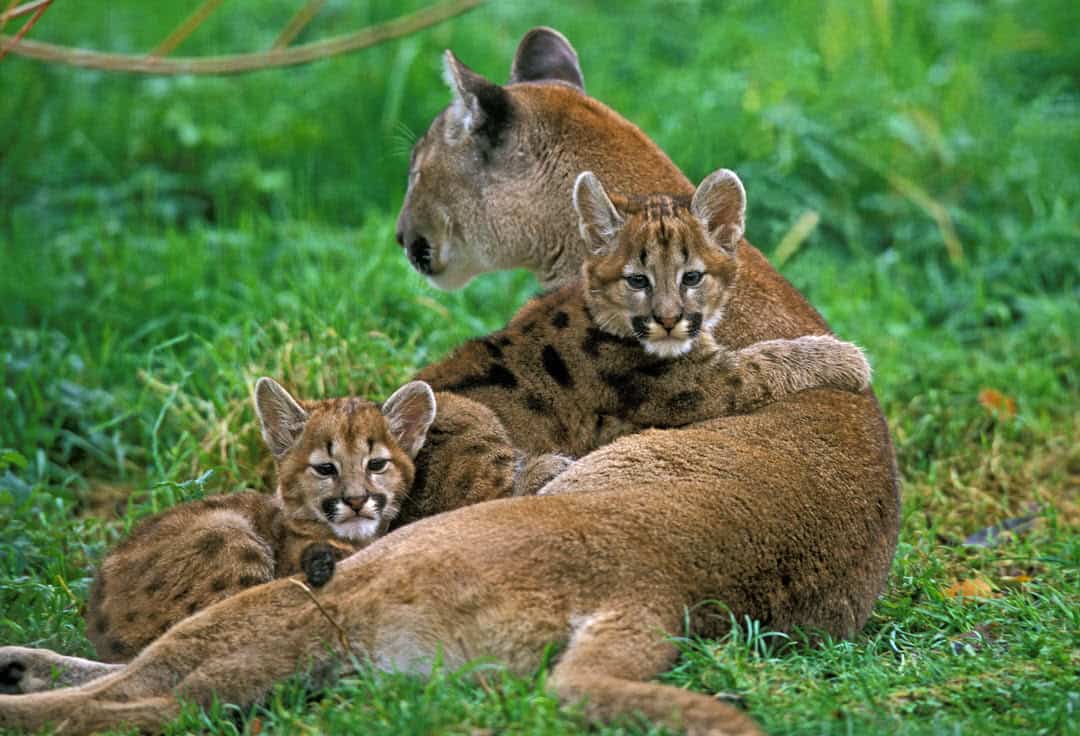
Wild cats begin life as kittens. Depending on the species, a mother may give birth to one kitten or several.
Young kittens depend on their mother for food and protection. As they grow, they learn important survival skills, including how to move through their habitat and eventually how to hunt. When they are old enough, most young wild cats leave their mother and begin life on their own.
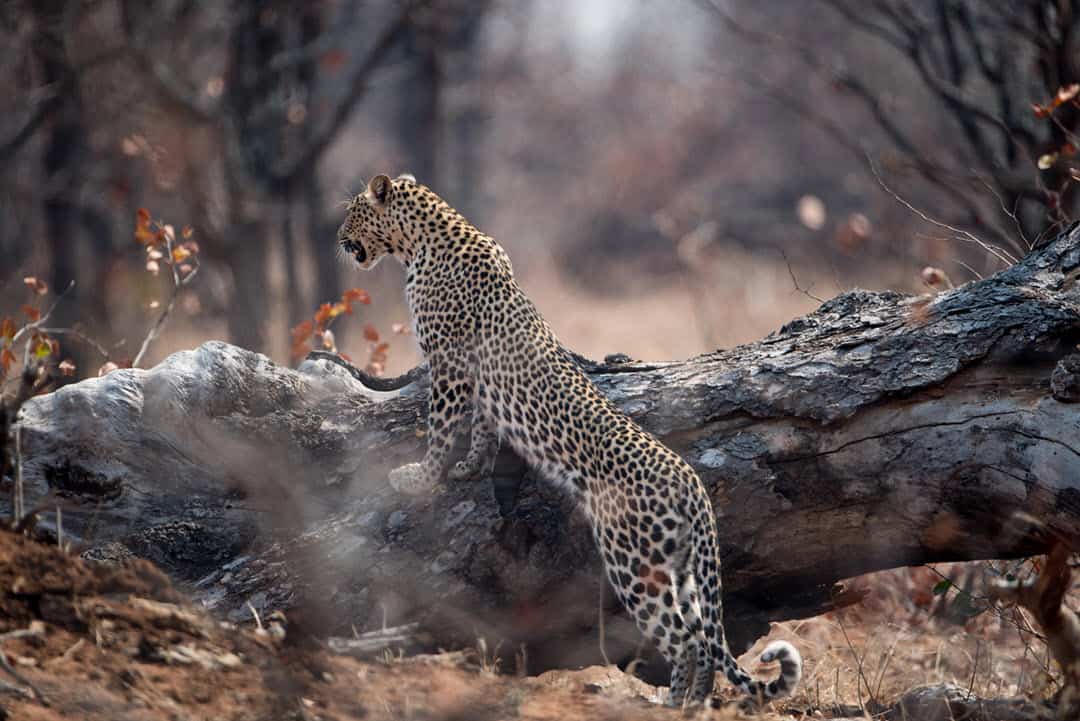
African leopard hunting.
Unique Qualities and Characteristics
Wild cats have some remarkable abilities. Cheetahs are the fastest land animals. Snow leopards can make enormous leaps across steep mountain terrain. Jaguars have extremely powerful jaws, while fishing cats are skilled at catching prey in and around water.
Many of these abilities are adaptations — characteristics that help an animal survive in its environment.
Even the familiar features of a cat are impressive adaptations. Sensitive whiskers, retractable claws in most species, excellent hearing, flexible spines and powerful muscles have helped make cats successful hunters in habitats around the world.
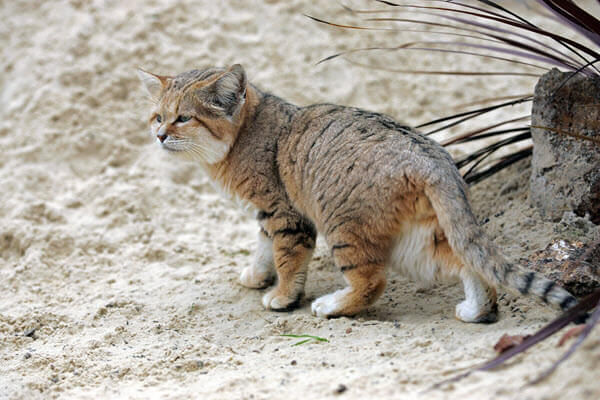
Sand Cat
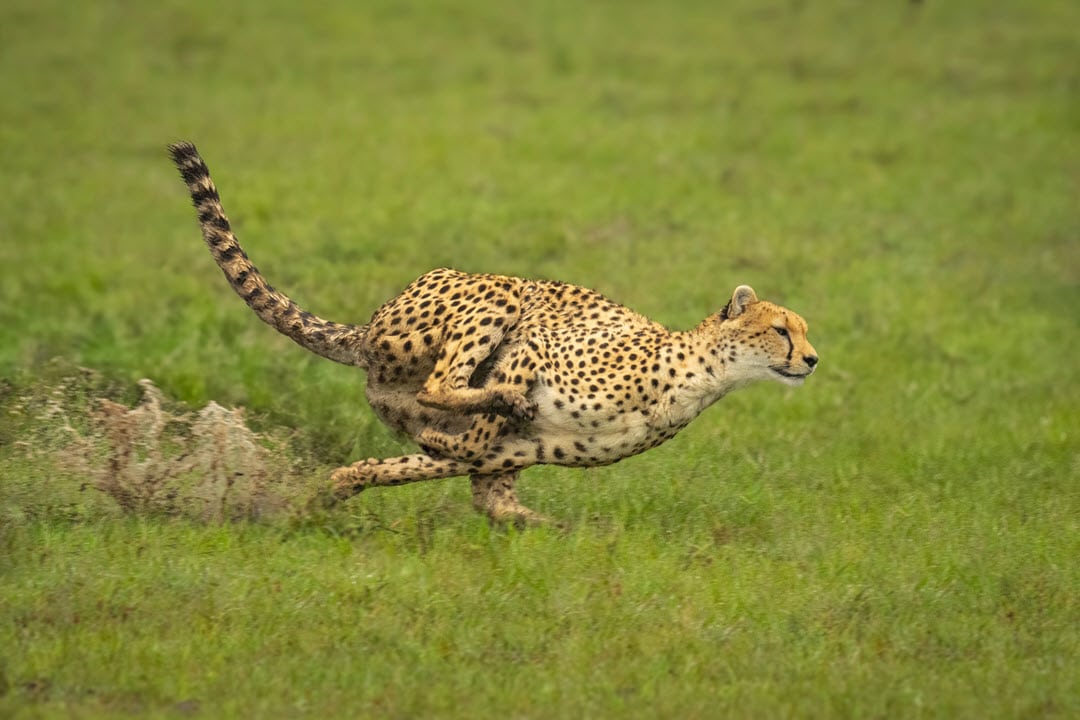
Cheetah
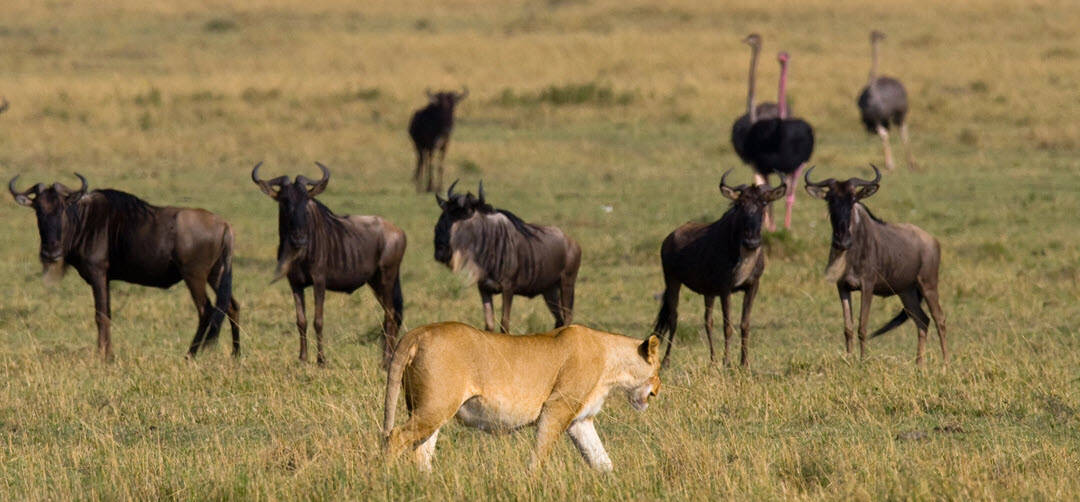
Why Are Wild Cats Important?
Wild cats are predators, which means they hunt other animals for food. Predators are an important part of nature because they can affect how many prey animals live in an area and where those animals move, feed, and gather.
Imagine an area where there are many deer but not enough predators. The deer population may grow, and the animals may eat more grasses, leaves, and young trees. This can change the habitat for insects, birds, and other animals. Predators such as wild cats are one part of the natural system that can help keep these relationships in balance.
Wild cats are also part of a much larger ecosystem. They depend on healthy habitats with enough prey, water, shelter, and space. When forests, grasslands, wetlands, and other habitats are protected for wild cats, many other animals and plants living in those places can benefit too.
Wild cats can also tell scientists something about the health of an environment. If a habitat can support predators such as tigers, jaguars, or leopards, it must also support the prey and other living things those cats depend on. Protecting wild cats is therefore about more than protecting cats—it can help protect entire communities of wildlife and the places they call home.
Why Should Wild Cats Be Protected?
Wild cats face many threats. Habitat can be destroyed or divided by roads, farms, cities and other development. Some cats are killed illegally for their fur or other body parts. Others are killed when people believe they threaten livestock. Climate change and declining prey can create additional problems for some species.
Not every wild cat species faces the same level of danger, but many populations are declining.
Protecting wild cats means protecting their habitats, reducing illegal hunting and wildlife trade, finding ways for people and predators to live alongside one another, and learning more about the animals themselves.
The more we understand wild cats, the better prepared we are to help protect them.
A young Iberian lynx.