
The IUCN/SSC Cat Specialist Group has published six new assessments for wild cat species and subspecies as part of the July 2026 IUCN Red List update. This includes the first-ever IUCN Green Status of Species assessments for several cats.
Red List Updates (Extinction Risk)
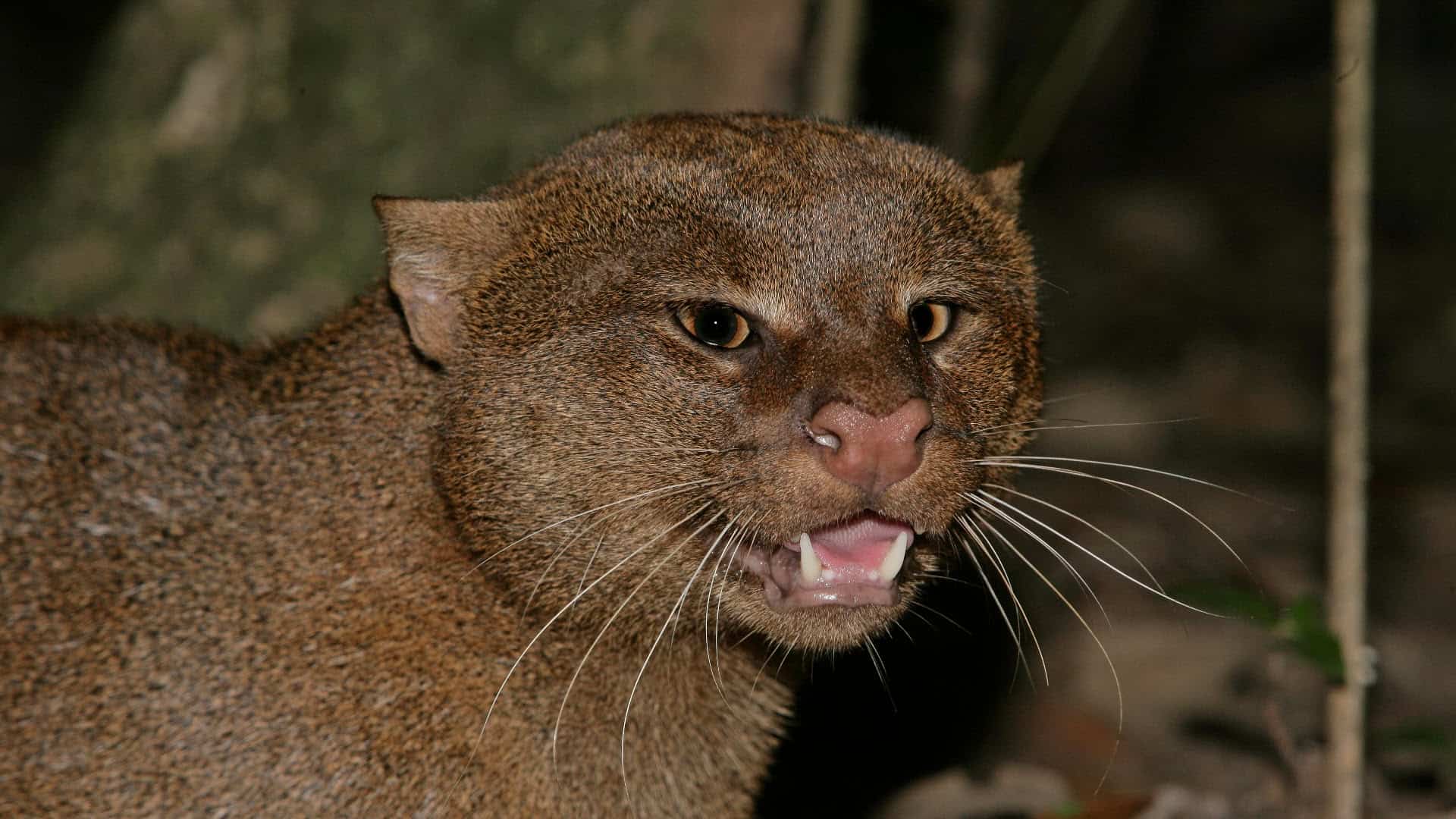
- Jaguarundi (Herpailurus yagouaroundi) was uplisted to Near Threatened.
- Black-footed Cat (Felis nigripes) remains Vulnerable.
- African Golden Cat (Caracal aurata) remains Vulnerable.
First Green Status of Species Assessments
- Andean Cat (Leopardus jacobita) → Largely Depleted
- Pallas’s Cat (Otocolobus manul) → Indeterminate
- Sri Lankan Leopard (Panthera pardus kotiya) → Largely Depleted
What Do These Terms Mean?
Uplisted on the IUCN Red List means the species’ status has moved to a more threatened category based on new data. It indicates a worsening conservation outlook (the opposite of “downlisted,” which is an improvement).
Largely Depleted (Green Status) means the species remains significantly reduced compared to its historical population and range. While conservation efforts may have helped prevent worse outcomes, the species is still far from full recovery.
Indeterminate (Green Status) means there is currently insufficient data to fully evaluate the species’ recovery progress. More research and monitoring are needed.
Red List vs. Green Status
The IUCN Red List assesses a species’ risk of extinction. The newer IUCN Green Status of Species measures how much a species has recovered (or could recover) due to conservation actions. Together, they provide a more complete picture of a species’ health and the real impact of conservation work.
These assessments result from a major collaborative effort by assessors, reviewers, and experts worldwide.
“The decline of many species towards extinction has largely focused conservation efforts on ensuring that species remain extant. However, conservationists have long recognised the need to complement this by aiming to recover depleted populations throughout a species’ range and to restore species to ecosystems from which they have been extirpated. The main objectives of the IUCN Green Status of Species are: to provide a standardised framework for measuring species recovery; to recognise conservation achievements; to highlight species whose current conservation status is dependent on continued conservation actions; to forecast the expected conservation impact of planned conservation action; and to elevate levels of ambition for long-term species recovery. These objectives together encourage conservation towards species recovery, throughout a species’ range.” – IUCN.org
Learn more:
- IUCN Red List: https://www.iucnredlist.org/
- IUCN SSC Cat Specialist Group: https://www.catsg.org/
- Green Status of Species overview: https://www.iucn.org/resources/green-status-species
Featured Image: Jaguarundi (Herpailurus yagouaroundi)
0 Comments