Big cats have roamed this planet for millions of years. Their ancestors date back to early wild cats that inhabited Asia.
The term “big cat” can mean different things depending on how it is used, including:
- Lions, tigers, jaguars and leopards – the four big cats that roar.
- All the cats in the Pantherinae subfamily (tiger, snow leopard, lion, leopard, jaguar, clouded leopard and Sunda clouded leopard).
- The five members of the Panthera genus (tiger, snow leopard, lion, leopard, and jaguar) within the Pantherinae subfamily.
- The seven members of the Pantherinae subfamily and the two biggest cats (cougar and cheetah) in the Felinae subfamily.
If you rank the cats by size, the 10 biggest cats in the world are the tiger, lion, jaguar, cougar, leopard, cheetah, snow leopard, the Eurasian lynx, Sunda leopard/clouded leopard and caracal.
History and Origins
Modern cats are believed to be direct ancestors of the Pseudaelurus, a prehistoric cat that lived up to 20 million years ago in Europe and Asia, and was the first cat to migrate to North America (and, later on, South America). The migrations occurred at times when the sea level dropped, exposing land that connected the continents.
Classifying Big Cats
All cats are members of the Felidae (the cat family), a biological classification. There are two Felidae subfamilies: the Pantherinae and the Felinae.
The Pantherinae subfamily is believed to have separated from its ancestors between 6 and 17 million years ago.
Within the Pantherinae subfamily, five big cats (lions, tigers, jaguars, leopards, and snow leopards) are members of the Panthera genus and two cats, the clouded leopard and Sunda clouded leopard, are members of the Neofelis genus.
Big Cat Lineages
In 2006, researchers used advanced DNA testing, fossils, and molecular data to divide Felidae family members into eight different lineages and when each lineage emerged.
The Panthera lineage was the first lineage to appear. It separated from its ancestors around 10 to 11 million years ago. Like the Pantherinae subfamily, the Panther lineage includes the lion, tiger, jaguar, leopard, snow leopard, and Sunda clouded leopard/clouded leopard.
The tiger and snow leopards are said to have split from a common ancestor around 3.9 million years ago, and the lion, leopard and jaguar split from other big cats between 3.8 and 4.3 million years ago.
Read more about wild cat lineages.
Big Cat Similarities and Differences
Big cats have similar and different characteristics, from the way they look to behavior, abilities, and even food preferences.
Appearance
- Tiger – The world’s biggest cat with a large head and paws, and orange striped fur.
- Lion – The 2nd largest cat, with tufted tails. Males have manes.
- Jaguar – 3rd largest cat, with fur covered in spots and rosettes.
- Cougar – The 4th largest cat with fur that has a uniform color and a long black-tipped tail.
- Leopard – The 5th largest cat, with short legs, a long body, large skull, and fur marked with rosettes.
- Cheetah – The 6th biggest cat, long and thin with spotted fur.
- Snow leopard – The 7th biggest cat, with heavy grey/white fur and big paws.
- Eurasian lynx – The 8th largest wild cat, with red-brown fur marked with black spots.
- Clouded leopard – The 9th largest cat, with short, powerful legs and markings that look like clouds.
- Caracal – The 10th largest wild cat with long legs, small face and tufted ears.
Some Big Cats Roar
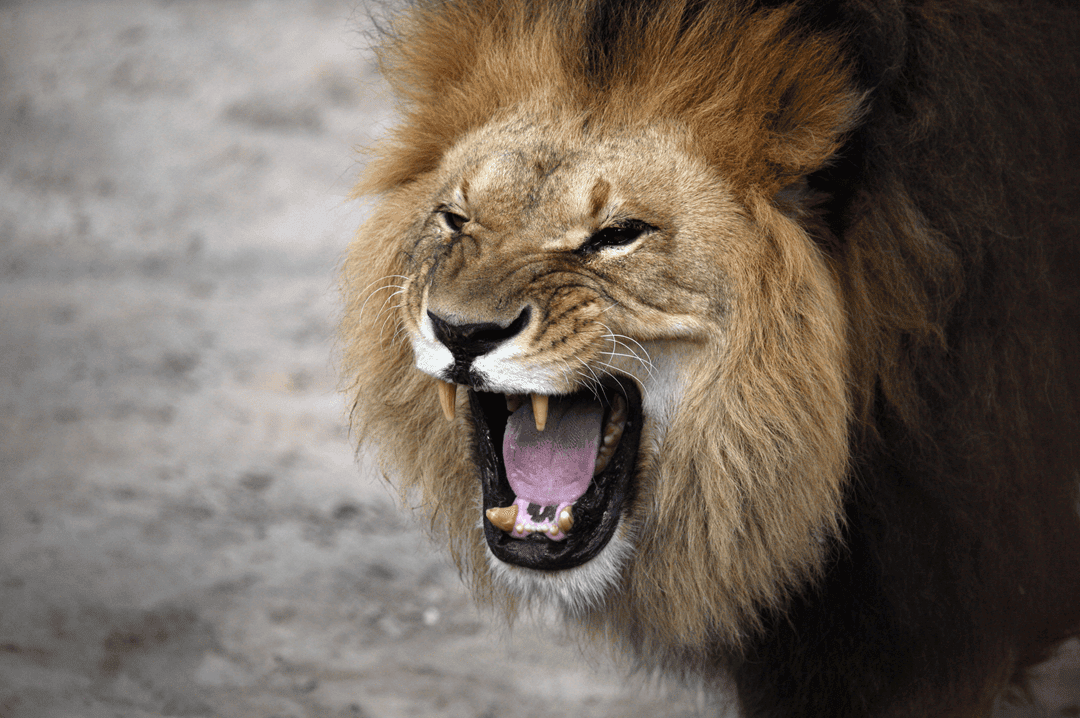
The most well-known difference between the four largest big cats (the lion, tiger, leopard, and jaguar) and other wild cats is that they can roar. The sound happens when air passes through the cat’s larynx (voice box) toward its lungs, and the walls of the larynx start to vibrate. The lion has the longest larynx and the biggest roar.
Solitary vs. Social
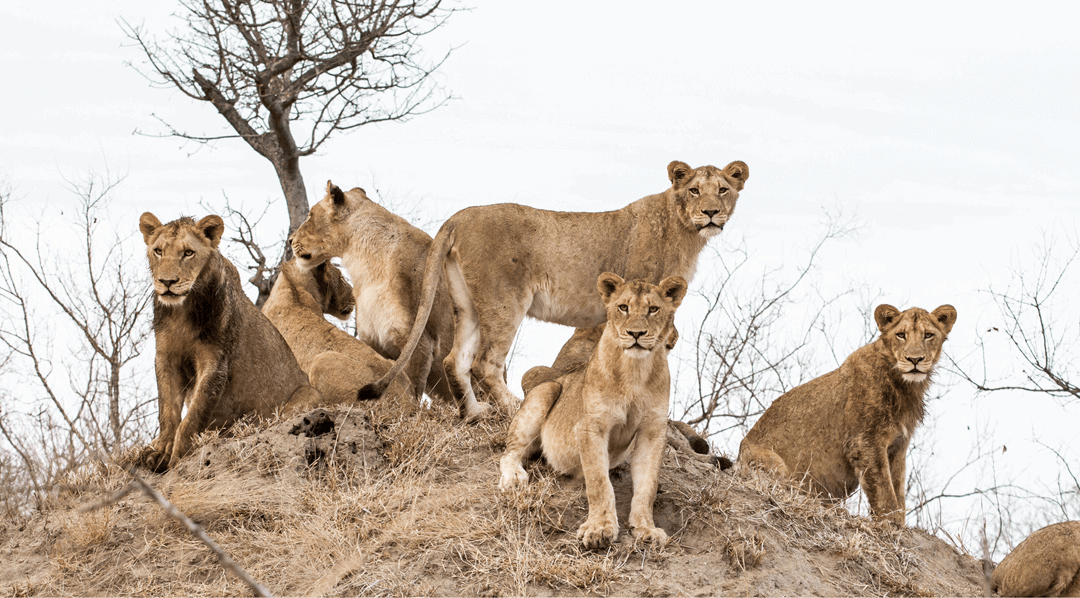
Big cats like the leopard, jaguar, cougar, and clouded leopard lead solitary lives. Lions, however, live in groups called prides. They have been seen roaming alone or with other lions. Tigers are generally solitary but may share their kill with other tigers.
:
Big Cats That Swim
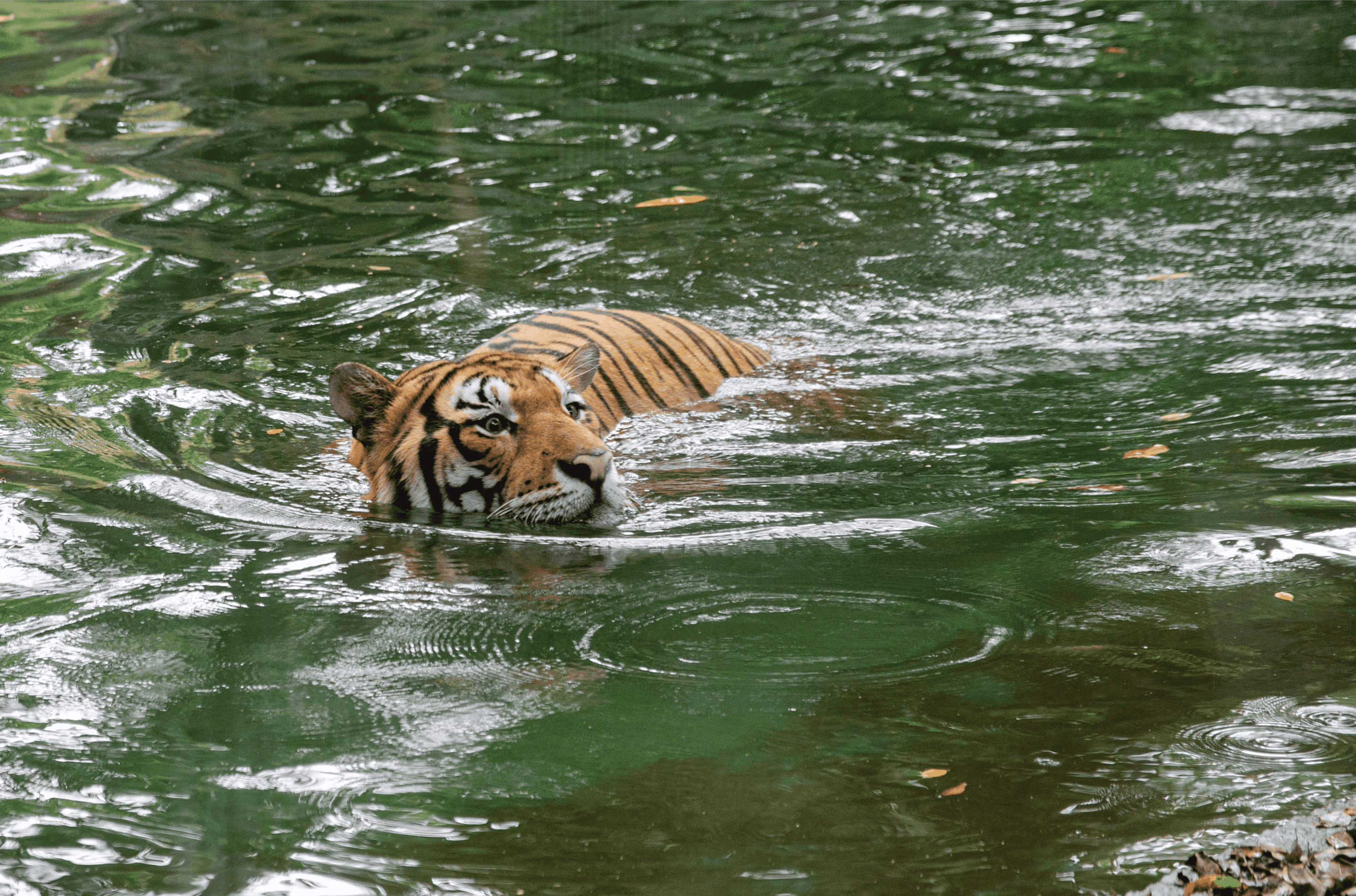
Tigers are highly skilled swimmers. Many of them live in jungles with wide rivers. Because of their strong, muscular bodies, and webbed paws, they can swim for several miles and have even been seen swimming in ocean water from one island to another. Other big cats that swim include the jaguar, leopard, cougar, snow leopard, and clouded leopard. Cheetahs and lions can swim as well but will usually avoid water.
Tree Climbers
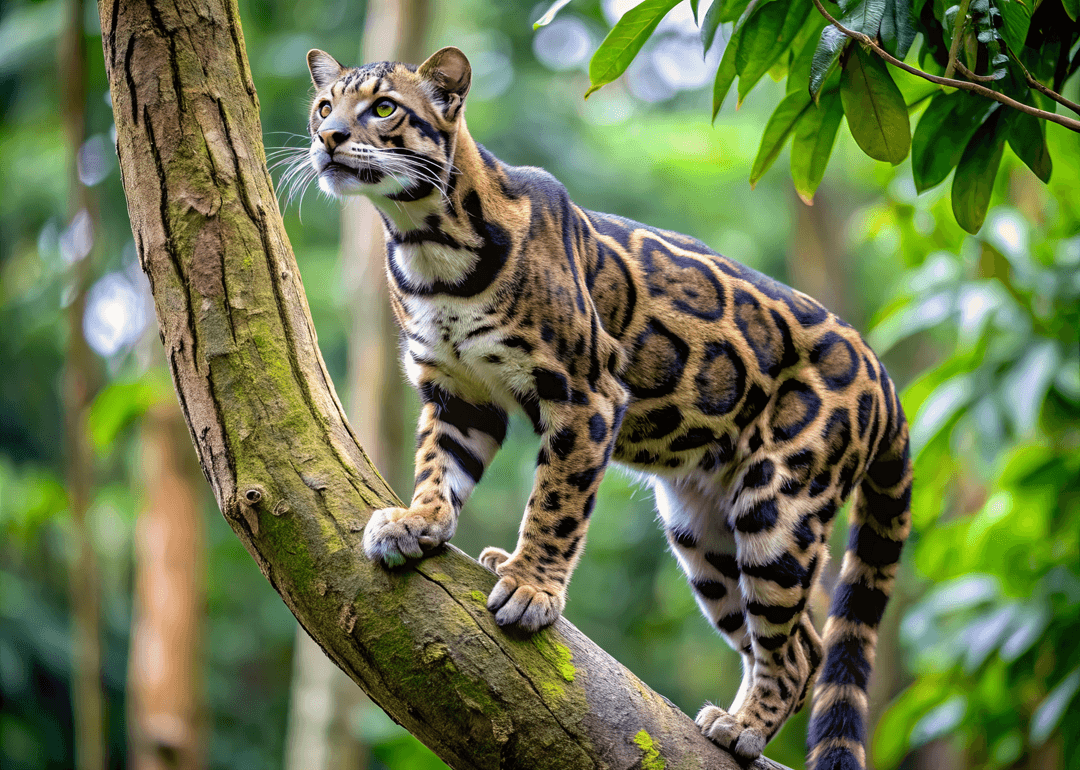
Clouded leopards are incredible tree climbers. Leopards are excellent climbers as well. They are frequently seen resting in trees or eating kill dragged onto a tree branch. Snow leopards and cougars also climb trees. Jaguars are good at tree climbing but don’t do it as often as cougars. You will also find lions climbing trees from time to time. Tigers rarely climb trees, but some cases have been recorded. Cheetahs aren’t very good tree climbers.
The Fastest Cats
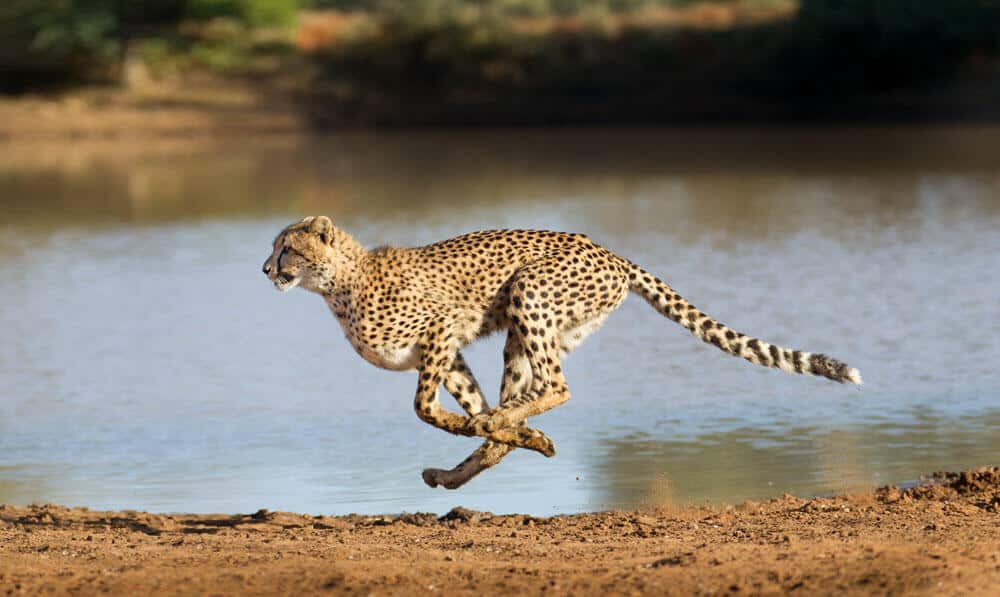
The cheetah is both the fastest big cat and the fastest land animal. Lions can run fast in short bursts, up to 35 miles an hour. Jaguars can run around 50 mph, and tigers can run up to 40 mph. Cougars can run from 30 to 50 mph. Leopards and snow leopards can run between 35 and 40 mph. Clouded leopards are also fast cats that can run up to 40 mph. By comparison, humans can only run around 8 mph.
Leapers and Jumpers
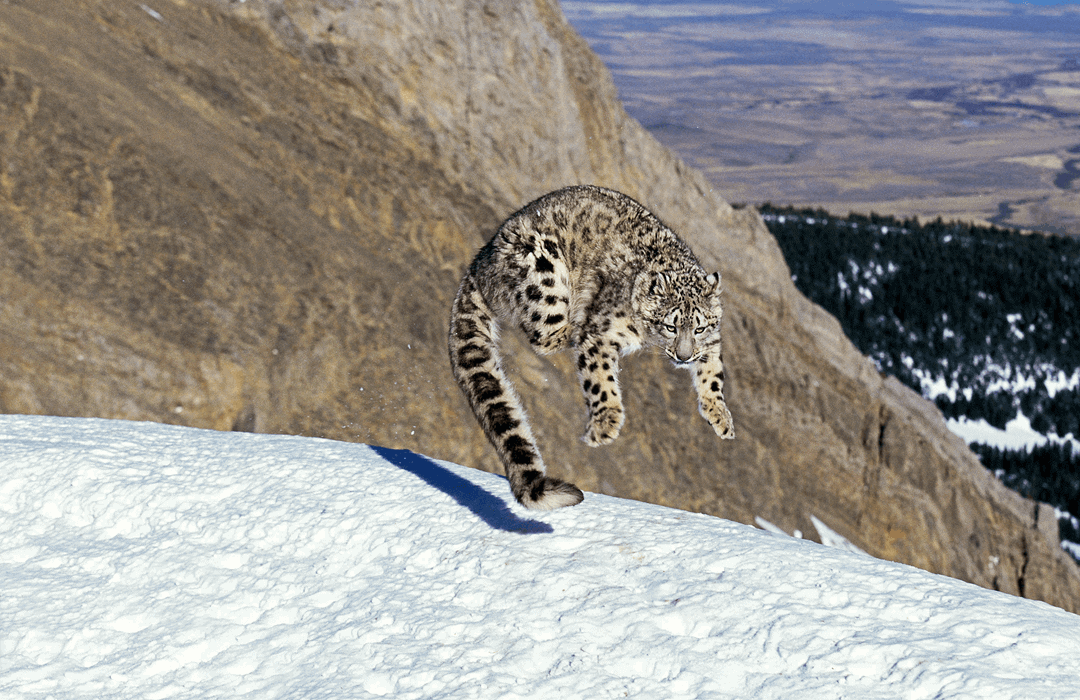
Snow leopards can jump up to 20 feet high. Cheetahs can jump up to 15 feet. Tigers can jump up to around 12 feet in the air or more. Lions can jump 10-12 feet, jaguars up to 10 feet, and leopards can jump slightly over 9 feet.
Snow leopards are also big leapers – up to 50 feet horizontally. Lions can leap around 36 feet. Leopards can jump up to 20 ft. Tigers can leap around 18-20 feet. Jaguars leap around 20 feet. Clouded leopards can leap 15 feet from one branch to another.
Food Preferences
Big cats are mainly meat eaters. Some cats will also eat fish, reptiles, and vegetation.
Lions will eat zebra, wildebeest (a large antelope), African buffalo, gemsbok (a large antelope), warthog (a member of the pig family), giraffe, deer, and chital (an Indian deer species).
A tiger’s diet is more varied. They will eat wapiti (elk), deer, water buffalo, boar, birds, hares, porcupines, fish, peafowl, monkeys, dogs, leopards, pythons, bears and crocodiles.
Leopards eat Impala (antelope), bushbuck (antelope), duiker (antelope), chital (deer), primates, jackal, fox, genet (slender cat-like animals) and cheetah.
Jaguars eat more reptiles than other big cats. Their diet consists of capybara (rodent), anteater, deer, tamandua (anteater), peccary (somewhat related to pigs), agouti (type of rodent), turtles, caiman (type of alligator), reptiles, and fish.
Cheetahs eat various types of hoofed animals, including gazelle, impala, duiker (antelope), nyala (antelope), chinkara (gazelle), Urial (wild sheep), and wild goats. They will also eat hares (a mammal from the same family as rabbits).
Snow leopards prey on Ibex (wild goat), deer, pika (a relative of the rabbit), vole (small rodents), civet, mouse, hamster, rat, and squirrel.
The clouded leopard’s diet comprises macaques (primate), deer, Bengal slow loris (primate), porcupines, pangolins, squirrels, deer, and pheasants.
Big cats will also prey on domestic livestock like cattle and sheep.
Protecting Big Cats
Many big cats are listed as Endangered or Critically Endangered by The International Union for Conservation of Nature (IUCN). Their populations have declined dramatically around the world due to habitat loss, hunting, poaching, and illegal trade of their fur and body parts.
“Big cats like lions and tigers cannot survive unless they have plenty of wild animals to eat. Those wild animals cannot survive in sufficiently large numbers unless their habitats remain intact. Humans have been encroaching on these habitats, while poverty, greed, and ignorance have been driving the illegal trade in wildlife. So big cats, like many other species of wild animals, are under threat as never before.” (United Nations (2018) Big Cats Feel the Pinch)