
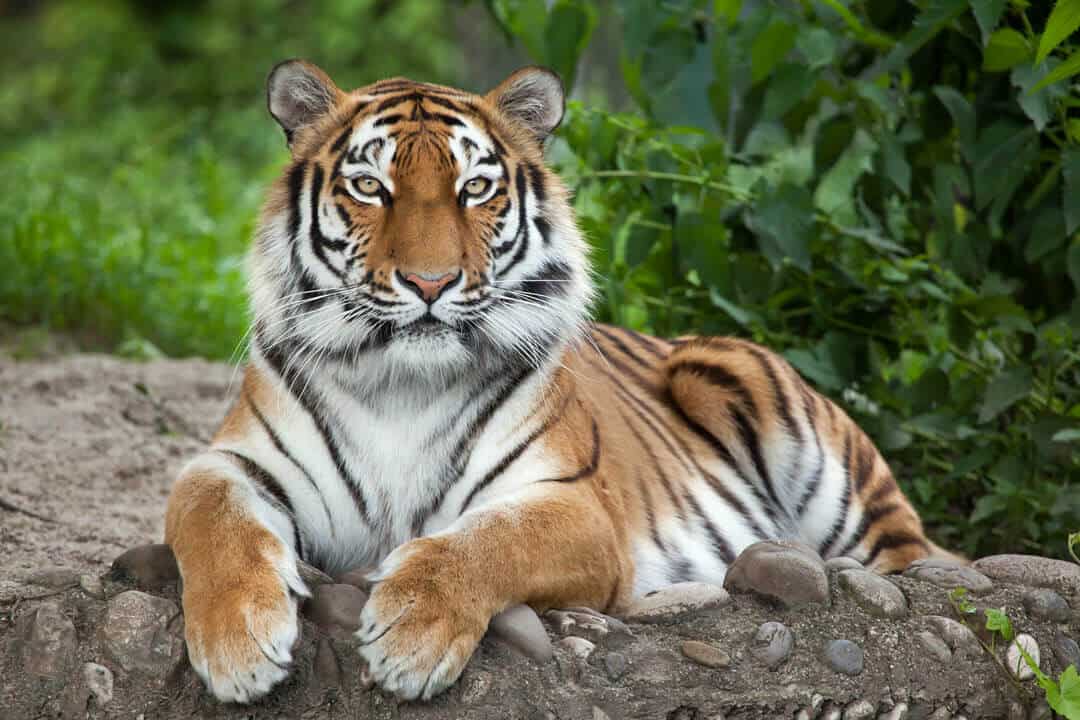
You will find many wild cats on the IUCN Red LIst of Endangered Species, including several at high risk of becoming extinct.
In some cases, the population of an endangered wild cats has been increasing. While an upward trend is encouraging, it does not mean the species is out of danger. Wild cat populations remain vulnerable to threats such as habitat loss, poaching, and human conflict, and progress can be quickly reversed.
How endangered species are classified
The International Union for Conservation of Nature (IUCN) is a worldwide organization founded in 1948. It maintains and publishes the IUCN Red List of Threatened Species, a detailed list of the conservation status of thousands of biological species on this planet, including wild cats.
Classification categories include:
- Extinct (EX)
- Extinct in the Wild (EW)
- Critically Endangered (CR)
- Endangered (EN)
- Vulnerable (VU)
- Near Threatened (NT)
- Least Concern (LC)
- Data Deficient (DD)
- Not Evaluated (NE)
Read more about IUCN classification, categories and their meaning.
Category Definitions
Critically Endangered
A wild cat is considered Critically Endangered when it faces an extremely high risk of extinction in the immediate future. This classification is based on several criteria, including rapid population decline, very small population size, or a severely restricted range.
Endangered
A wild cat is considered Endangered when it is at a high risk of extinction in the near future. This status is assigned based on factors such as population decline, limited distribution, or ongoing threats that are likely to reduce the population further.
Vulnerable
A wild cat is considered vulnerable when it faces a high risk of extinction in the medium-term future, typically with a population reduction of at least 30% over the past ten years or three generations. Other criteria include a limited geographic range or a small and declining population. For wild cats, vulnerable species are often still relatively widespread, but the pressures affecting them—such as habitat loss, prey decline, or human conflict—are strong enough that continued decline is likely if conditions do not improve.
Near Threatened
A wild cat is classified as near threatened when it does not currently meet the criteria for Vulnerable, but is close to qualifying or is likely to qualify in the near future. For wild cats, this often means populations are still stable or only slightly declining, but underlying pressures are present. These species are not in immediate danger, but they are moving in that direction if conditions continue to worsen.
Least Concern
A wild cat is considered least concern when it has a widespread distribution and a stable or relatively large population, and does not meet the criteria for a higher risk category. For wild cats, this does not mean there are no threats. Many species listed as Least Concern still face regional declines, habitat pressure, or conflict with humans. It simply means that, at a global level, the species is not currently at significant risk of extinction.
The Endangered List
This page focuses on wild cats that are currently most at risk, especially those classified as Critically Endangered or Endangered. However, endangered wild cats are easier to understand in context when the other IUCN categories are included as well. Vulnerable, Near Threatened, and Least Concern species help show which wild cats are already in danger, which ones are declining, and which populations may move into higher-risk categories if current threats continue.
This page also includes important subspecies and populations where conservation risk differs from the main species-level status. Wild cat conservation status can change over time as populations decline, recover, or are reassessed, so these categories should be read as part of a broader conservation picture rather than a fixed ranking.
Note: A subspecies is a recognized subgroup within a species that has unique physical or genetic traits and usually lives in a specific region. A population refers to a smaller, localized group within a species or subspecies that is managed or studied separately, often because its numbers, range, or threats are different. For example, a species may be listed as Least Concern overall, while a specific population within it is considered Endangered due to isolation or rapid decline.
Endangered Statistics
There are 20 wild cats listed as Critically Endangered or Endangered on the IUCN Red List, including 14 subspecies (70%), 3 species (15%) and 3 populations (15%).
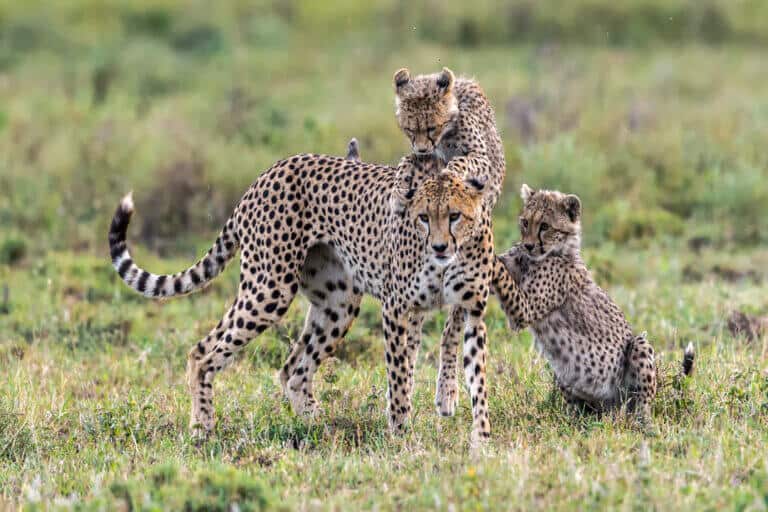
There are more tigers on the list than any other wild cat – 6 subspecies (30%) as well as the tiger species itself, followed by 5 leopard subspecies (25%), 2 small wild cat species (10%), 2 small wild cat populations (10%), 3 cheetah subspecies (15%), and 1 lion population (5%).
Critically Endangered Wild Cats
- Amur Leopard – leopard subspecies in the Russian Far East and northeast China
- Arabian Leopard – leopard subspecies on the Arabian Peninsula
- Indochinese Leopard – leopard subspecies in mainland Southeast Asia
- Malayan Tiger – tiger subspecies in Peninsular Malaysia
- South China Tiger – tiger subspecies, possibly extinct in the wild
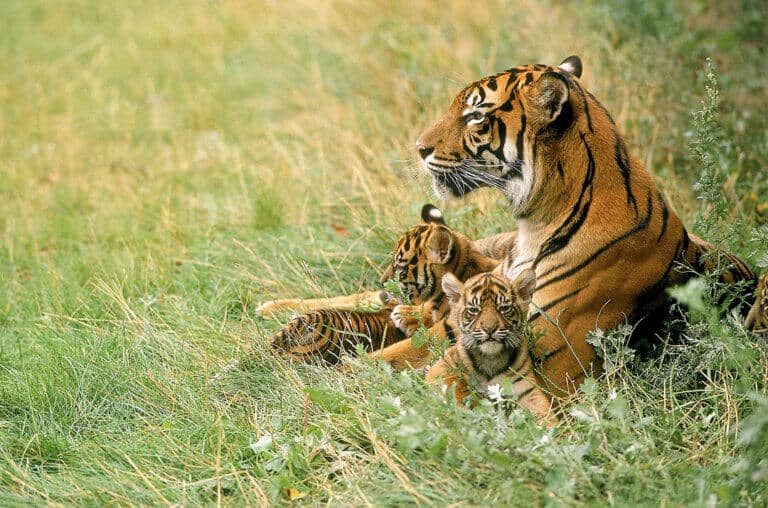
- Sumatran Tiger – tiger subspecies on Sumatra
- Asiatic Cheetah – cheetah subspecies in Iran
- Northwest African Cheetah – cheetah subspecies in North-West Africa
- Iriomote Cat – leopard cat population on Iriomote Island, Japan
- Balkan Lynx – Eurasian lynx population in the Balkans
Endangered Wild Cats
- Asiatic Lion – lion population in India
- Javan Leopard – leopard subspecies on Java
- Persian Leopard – leopard subspecies in Iran and nearby range
- Tiger – species-level status
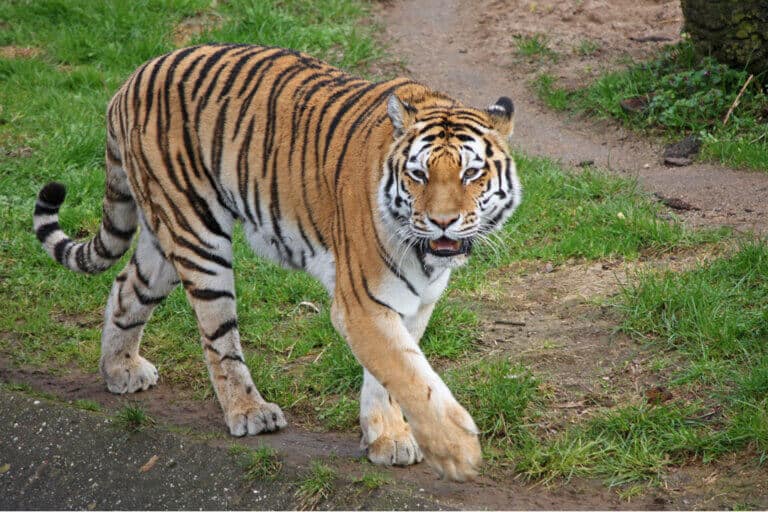
- Amur Tiger – tiger subspecies in the Russian Far East and northeast China
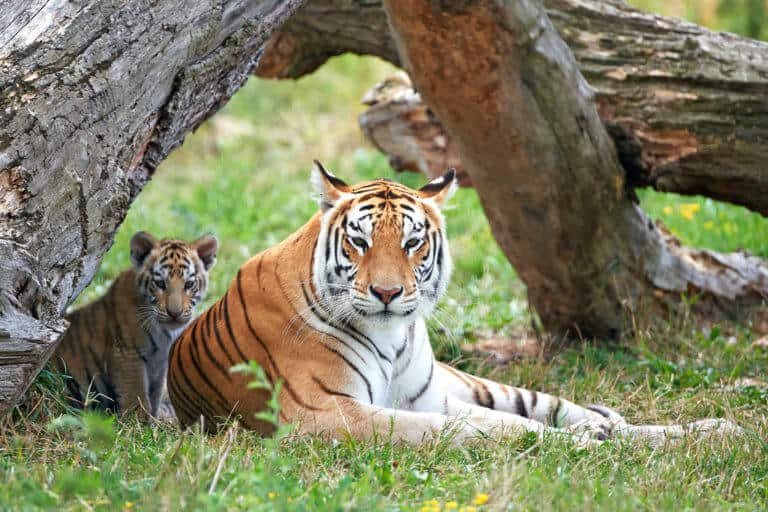
- Bengal Tiger – tiger subspecies in South Asia
- Indochinese Tiger – tiger subspecies in mainland Southeast Asia
- Northeast African Cheetah – cheetah subspecies in Northeast Africa
- Andean Mountain Cat
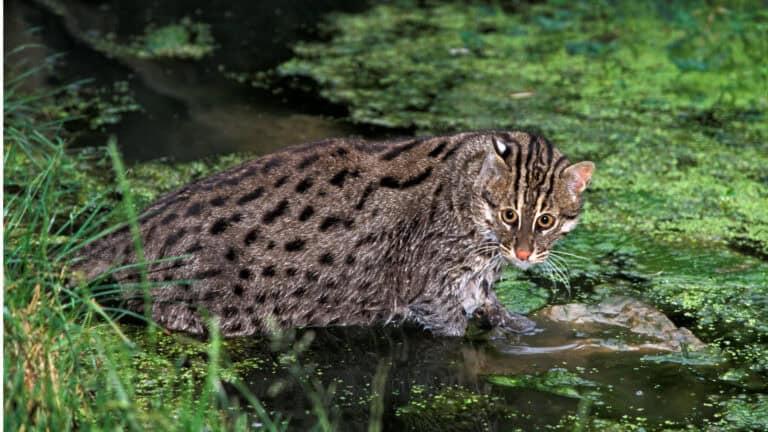
- Flat-headed Cat
OTHER CONSERVATION CATEGORIES
Vulnerable
- Lion – species-level status
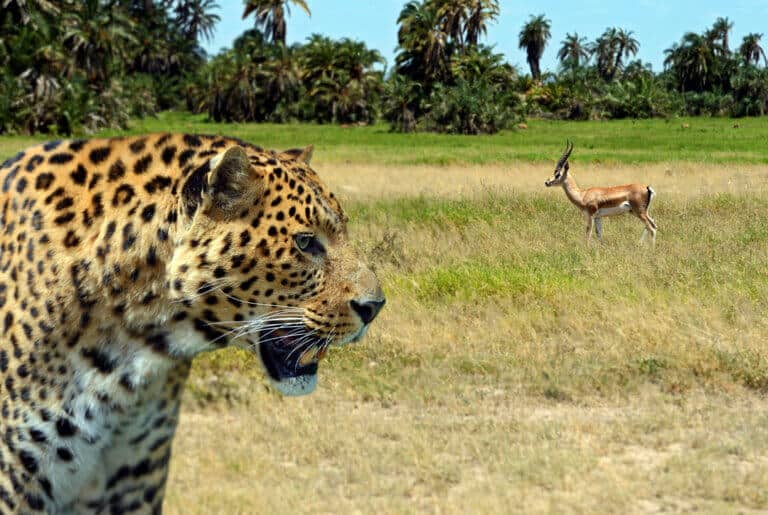
- Leopard – species-level status
- African Leopard
- Sri Lankan Leopard
- Cheetah – species-level status
- Southeast African Cheetah
- Snow Leopard
- Bornean Bay Cat
- African Golden Cat
- Asian Golden Cat
- Chinese Mountain Cat
- Black-footed Cat
- Clouded Leopard – mainland species
- Sunda Clouded Leopard – species of Borneo and Sumatra
- Fishing Cat
- Iberian Lynx
- Oncilla (Northern Tiger Cat)
- Oncilla (Southern Tiger Cat)
Near Threatened
- Jaguar
- Indian Leopard
- Marbled Cat
- Margay
- Pampas Cat
- Rusty-spotted Cat
Least Concern
- Cougar (Puma)
- Caracal
- Serval
- Bobcat
- Canada Lynx
- Eurasian Lynx
- Ocelot
- Jaguarundi
- Jungle Cat
- European Wildcat
- African Wildcat – grouped under Afro-Asiatic Wildcat in current IUCN taxonomy
- Asiatic Wildcat – grouped under Afro-Asiatic Wildcat in current IUCN taxonomy
- Geoffroy’s Cat
- Kodkod (Guiña)
- Leopard Cat (Mainland)
- Pallas’s Cat
- Sand Cat
No separate current global IUCN status:
- Scottish Wildcat, European Wildcat population in Scotland
- Sunda, Javan Leopard Cat, not yet separately assessed in the current 2025 compilation
- Clouded Tiger Cat, proposed taxon, no separate current IUCN assessment
Current patterns behind wild cat decline
Many of the same factors that contributed to past losses are still present today, but they are occurring at a faster pace and across larger areas.
Habitat loss remains the most significant driver. Forests, grasslands, and wetlands continue to be converted for agriculture and development, reducing the space available for wild cats to live and hunt.
Prey decline is another major factor. As prey species decrease, wild cats are forced to travel further or move into human-dominated areas, increasing the risk of conflict.
In some regions, illegal wildlife trade continues to affect populations, particularly for species with high market demand.
These pressures do not act independently. Together, they create conditions that make it difficult for populations to remain stable over time.
Conservation success
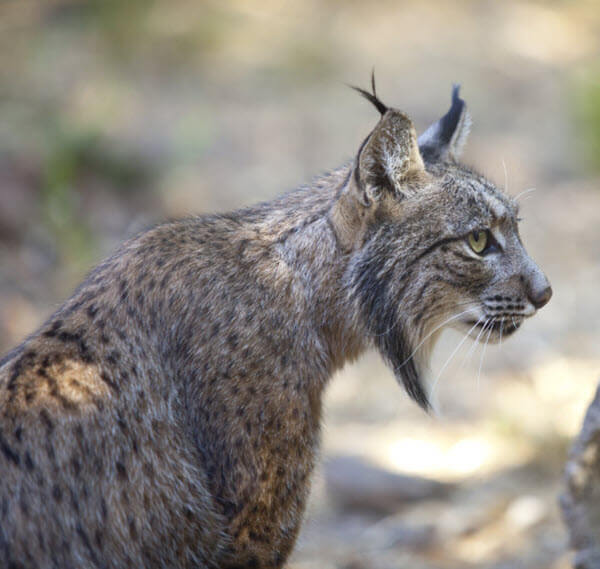
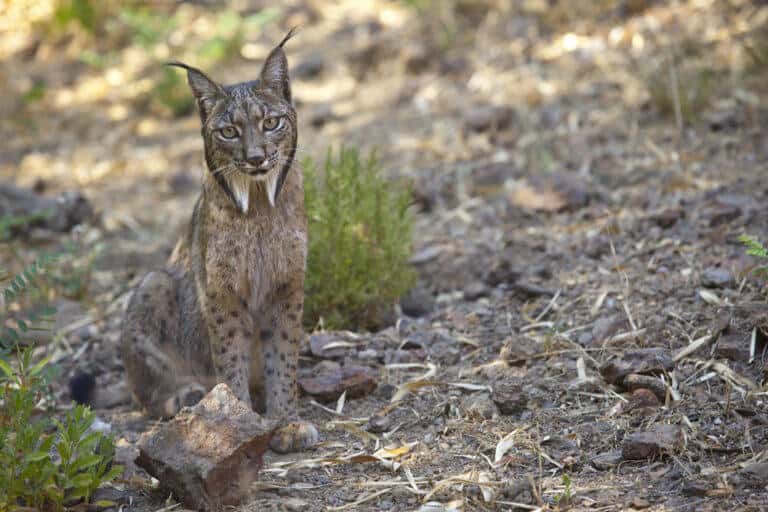
Iberian Lynx: From Brink of Extinction to Recovery
Once on the brink of extinction, the Iberian lynx (Lynx pardinus) has made a historic comeback.
In 2002, fewer than 100 individuals remained in the wild, confined to two small populations in southern Spain.
This drastic decline was due to habitat destruction, loss of prey (primarily rabbits), and road mortality.
In response, a comprehensive conservation plan was launched—combining habitat restoration, rabbit repopulation, legal protections, and a captive breeding and reintroduction program.
Conservationists released the first captive-born lynx into the wild in 2009.
The population began to rebound steadily.
By 2012, there were over 300 lynx; by 2018, more than 600.
In 2024, the Iberian lynx population surpassed 2,000 individuals, marking one of the most successful wild cat recoveries in history.
As a result, the IUCN officially upgraded its status from Endangered to Vulnerable.
Protection of Endangered Wild Cats
Protecting wild cats requires a combination of habitat conservation, stronger legal protections, and efforts to reduce conflict between humans and wildlife. Expanding protected areas, maintaining wildlife corridors, and supporting prey populations are key strategies that help stabilize and recover wild cat populations.
References:
- The Iberian lynx is back from the brink of extinction, thanks to conservation efforts – AP News
- Iberian lynx no longer endangered after numbers improve in Spain and Portugal – The Guardian
- European lynx species rebounds from brink of extinction – Reuters
- IUCN Red List of Threatened Species – International Union for Conservation of Nature
- IUCN Cat Specialist Group – Species Accounts and Conservation Status





0 Comments